
The Importance of Flexible Electrical Conduit in Modern Wiring Systems
Unlike rigid conduits, flexible electrical conduits offer greater versatility and ease of installation
- Initiatives News
- 4 min read

;'%3e%3cpath%20d='m8,15.99c4.41,0,7.99-3.58,7.99-7.99S12.41,0,8,0,0,3.59,0,8s3.58,7.99,7.99,7.99Z'%20style='stroke:%23fff;%20stroke-miterlimit:10;%20stroke-width:.02px;'/%3e%3cpath%20d='m3.08,3.37l3.82,5.11-3.84,4.15h.87l3.37-3.64,2.72,3.64h2.94l-4.04-5.39,3.58-3.87h-.86l-3.1,3.35-2.5-3.35h-2.94Zm1.27.64h1.35l5.97,7.99h-1.35l-5.97-7.99Z'%20style='fill:%23fff;'/%3e%3c/g%3e%3c/svg%3e)


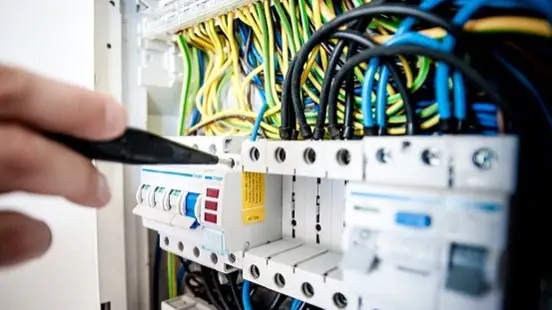
Modern electrical wiring systems require durability, adaptability, and safety. One crucial component that ensures these factors are met is the flexible electrical conduit. These conduits are essential for protecting electrical wiring from external damage, environmental factors, and mechanical stress. Unlike rigid conduits, flexible electrical conduits offer greater versatility and ease of installation, making them ideal for various applications, including industrial, commercial, and residential settings.
What Is a Flexible Electrical Conduit?
A flexible electrical conduit is a protective tube used to encase electrical wiring, allowing for a safe and organized installation. These conduits are designed to bend and flex, making them particularly useful in environments where rigid conduit systems may not be practical. They are made from various materials, including plastic, metal, and liquid-tight coatings, to accommodate different installation requirements.
Benefits of Flexible Electrical Conduit
1. Ease of Installation
One of the primary advantages of flexible electrical conduits is their ease of installation. Unlike rigid conduit systems, which require precise measurements and additional fittings, flexible conduits can be easily maneuvered around obstacles, reducing installation time and labor costs.
2. Enhanced Protection
Flexible electrical conduits provide excellent protection against physical damage, moisture, and chemical exposure. This is particularly important in industrial and outdoor settings where wiring systems are exposed to harsh conditions. Certain flexible conduits are designed to be flame-resistant, adding an extra layer of safety.
3. Versatility in Application
These conduits are used in various applications, including:
⦁ Industrial environments – To protect wiring in machinery and heavy-duty equipment.
⦁ Commercial buildings – To route wiring through complex structures.
⦁ Residential settings – To provide a safer and neater wiring system in homes.
4. Improved Aesthetics and Organization
Flexible electrical conduits help in organizing electrical wiring, preventing tangled wires and creating a cleaner look. This is especially beneficial in areas where exposed wiring could be an eyesore, such as commercial spaces and residential homes.
5. Cost-Effective Solution
Compared to rigid conduits, flexible electrical conduits often require fewer accessories and fittings, leading to a more cost-effective wiring solution. Their durability also reduces maintenance and replacement costs over time.
Types of Flexible Electrical Conduits
1. Metallic Flexible Conduits
Made of interlocked metal strips, these conduits provide excellent mechanical protection. They are commonly used in industrial applications where high durability is required.
2. Non-Metallic Flexible Conduits
These conduits, typically made from PVC or other plastic materials, are lightweight, corrosion-resistant, and suitable for damp environments.
3. Liquid-Tight Flexible Conduits
Designed for outdoor and wet locations, liquid-tight conduits feature a protective coating that prevents moisture ingress, making them ideal for areas prone to water exposure.
Factors to Consider When Choosing Flexible Electrical Conduits
1. Environmental Conditions
Before selecting a conduit, it is essential to evaluate the surrounding environment. If the installation is in a wet or hazardous area, liquid-tight conduits would be the best option.
2. Mechanical Protection Requirements
If the wiring is subject to heavy mechanical stress, such as in an industrial facility, metallic flexible conduits provide enhanced durability and protection.
3. Compliance with Safety Standards
Always ensure that the selected conduit meets industry safety regulations and standards to guarantee a safe and reliable installation.
4. Compatibility with Cable Conduit Fittings
When installing a flexible electrical conduit, it is crucial to use appropriate cable conduit fittings to ensure a secure and stable connection. Proper fittings prevent unnecessary movement and potential damage to the wiring inside.
Conclusion
Flexible electrical conduits play a significant role in modern wiring systems by offering a combination of protection, versatility, and ease of installation. Whether used in industrial, commercial, or residential settings, these conduits provide a reliable solution for managing and safeguarding electrical wiring. When selecting a flexible conduit, it is essential to consider environmental factors, mechanical protection needs, and compliance with safety standards to ensure an efficient and secure wiring system. Investing in the right flexible electrical conduit will contribute to the longevity and safety of your electrical installations.