
The New Neutral: Why Earthy Tones Are Taking Over Contemporary Indian Homes
Contemporary Indian homes are embracing a warmer, more grounded palette inspired by the natural world—think terracotta, sand, clay, olive, ochre, taupe and warm browns.
- Initiatives News
- 4 min read

;'%3e%3cpath%20d='m8,15.99c4.41,0,7.99-3.58,7.99-7.99S12.41,0,8,0,0,3.59,0,8s3.58,7.99,7.99,7.99Z'%20style='stroke:%23fff;%20stroke-miterlimit:10;%20stroke-width:.02px;'/%3e%3cpath%20d='m3.08,3.37l3.82,5.11-3.84,4.15h.87l3.37-3.64,2.72,3.64h2.94l-4.04-5.39,3.58-3.87h-.86l-3.1,3.35-2.5-3.35h-2.94Zm1.27.64h1.35l5.97,7.99h-1.35l-5.97-7.99Z'%20style='fill:%23fff;'/%3e%3c/g%3e%3c/svg%3e)


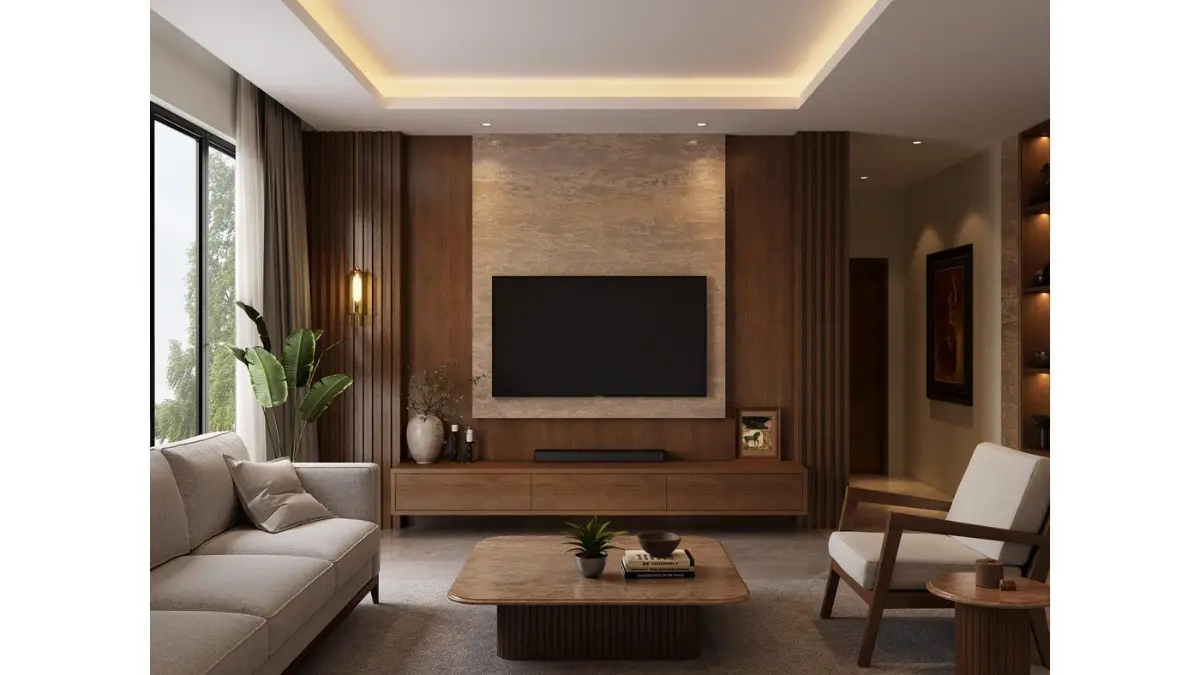
The association of neutral interiors with plain whites, greys and beiges is changing. Contemporary Indian homes are embracing a warmer, more grounded palette inspired by the natural world—think terracotta, sand, clay, olive, ochre, taupe and warm browns. These earthy tones bring depth to interiors without overpowering them, making them particularly well suited to homes that seek a balance between modern design and a sense of comfort.
The shift is also reflective of a broader design preference for interiors that feel connected to nature. As homeowners look for spaces that are calming yet expressive, earthy shades are emerging as the new neutrals.
Why Earthy Tones Work So Well in Indian Homes
Earthy colours have a natural familiarity in the Indian design context. From terracotta pottery and sandstone architecture to wooden furniture and handwoven textiles, these tones have long been part of the country's visual vocabulary.
What has changed is how they are being interpreted. Instead of traditional, heavily ornamented interiors, contemporary homes are using these shades across clean-lined furniture, minimal walls, textured surfaces and modern architectural details.
Advertisement
Warm beige walls paired with walnut furniture, an olive accent chair against a cream backdrop, or terracotta accessories against a muted kitchen can introduce colour while maintaining a sophisticated aesthetic. The versatility of the palette makes it easy to adapt across different design styles, from minimalist and contemporary to more eclectic interiors.
From Flat Neutrals to Layered Natural Palettes
One reason earthy tones are gaining popularity is their ability to create depth. Rather than relying on one neutral shade throughout a room, designers are increasingly layering related colours and textures. Jaipur Rugs, for instance, offers rugs that can add warmth and tonal variation to a room.
Advertisement
A palette could also combine sandy beige walls with caramel upholstery, darker wooden furniture and muted green accents. The June Shop brings earthy colours into furniture and home accessories. Textiles, ceramics, rugs and artwork can then introduce subtle variations without making the space feel visually busy.
IKEA India has also made natural wood tones, muted colours and tactile materials accessible for homeowners looking to create warmer contemporary spaces.
Earthy Tones Are Moving Onto Surfaces
The trend isn't limited to soft furnishings and accessories. One of the more interesting developments is the movement of earthy palettes onto permanent interior surfaces.
Countertops, kitchen islands, backsplashes and wall applications are increasingly being treated as opportunities to introduce colour and visual character. This allows homeowners to move beyond the familiar white, black and grey surface palette without necessarily opting for extremely bold colours.
Specta Quartz Surfaces reflects this evolution through surfaces that draw from the tones and textures found in nature. Its Krest collection takes inspiration from natural textures, tones and geological formations, with shades such as White Dune, Oyster Glaze, Topaz Valley and Golden Morraine. Designed using advanced technology, Krest slabs offer the versatility to extend these design elements beyond horizontal surfaces, making them suitable for vertical applications such as feature walls, wall cladding and other architectural surfaces. This opens up more possibilities for creating a cohesive material language across contemporary interiors while retaining a clean, modern aesthetic.
The appeal lies in the ability to make a surface visually distinctive without making it the only focal point in the room.
How to Use Earthy Shades Without Making a Space Feel Dark
Lighter earthy shades such as sand, cream, stone and soft taupe can be used generously across walls and larger surfaces. Deeper tones such as rust, chocolate brown, forest green or ochre can then be introduced through smaller elements.
Natural light is another important consideration. In rooms with abundant daylight, deeper earthy colours can create a rich and inviting atmosphere. In darker spaces, lighter versions of the palette can maintain a sense of openness.
A Palette That Can Evolve With Your Home
Another reason earthy tones are becoming a contemporary favourite is their longevity. Unlike highly specific colour trends, like butter yellow, pale blue or cherry red, nature-inspired shades can evolve with changing décor.
A beige or sand-toned foundation can work with different accent colours over time. Terracotta can sit comfortably alongside brass today and black metal tomorrow. Olive green can complement both warm wood and lighter contemporary furniture.
This flexibility makes earthy tones particularly relevant for Indian homes, where spaces often need to accommodate changing décor, festive styling and evolving family needs.
The New Neutral Is Anything But Boring
The rise of earthy tones signals a shift in how homeowners think about neutral interiors. Neutral no longer has to mean colourless. Instead, it can mean a considered palette that provides warmth, depth and flexibility while allowing furniture, artwork and personal objects to stand out.
As contemporary Indian interiors continue to draw inspiration from the natural world, earthy tones are likely to remain an enduring part of the design conversation. They offer a way to make modern homes feel warmer and more personal—without sacrificing the clean, refined aesthetic that defines contemporary living.