
Using Sensory Design to Create a Mindful Home
One of the most fascinating aspects of sensory design is that we don't always need to touch a material to imagine how it feels
- Initiatives News
- 5 min read

;'%3e%3cpath%20d='m8,15.99c4.41,0,7.99-3.58,7.99-7.99S12.41,0,8,0,0,3.59,0,8s3.58,7.99,7.99,7.99Z'%20style='stroke:%23fff;%20stroke-miterlimit:10;%20stroke-width:.02px;'/%3e%3cpath%20d='m3.08,3.37l3.82,5.11-3.84,4.15h.87l3.37-3.64,2.72,3.64h2.94l-4.04-5.39,3.58-3.87h-.86l-3.1,3.35-2.5-3.35h-2.94Zm1.27.64h1.35l5.97,7.99h-1.35l-5.97-7.99Z'%20style='fill:%23fff;'/%3e%3c/g%3e%3c/svg%3e)


New Delhi [India], July 20: Walk into your favourite cafe, boutique hotel, or museum, and you'll likely remember how the space felt just as much as how it looked. Perhaps it was the warm lighting, the scent in the air, the texture of the furniture, or the calming colours that lingered in your memory. That's the power of sensory design—a growing philosophy in architecture and interiors that considers how our five senses interact with the spaces we inhabit.
As homes evolve into places where we work, unwind, entertain, and recharge, designing purely for aesthetics is no longer enough. A truly mindful home engages the senses intentionally, creating environments that promote comfort, focus, and emotional well-being.
Designing for the Eye: Colour, Light and Spatial Perception
Our visual environment is often the first thing we respond to. Colour, light, proportion, patterns, and architectural details all influence our emotional state long before we consciously register them.
Advertisement
Different spaces naturally call for different visual experiences. A children's playroom thrives on cheerful colours, playful patterns, and stimulating visuals that encourage creativity and imagination. A bedroom or wellness space benefits from softer hues and diffused lighting that signal rest and relaxation. Hospitals often rely on muted palettes to reduce anxiety, while museums layer exhibits, lighting, and architectural elements to encourage curiosity and exploration rather than presenting everything on a single plane.
Visual design also plays an important role in our perception of space. Clever use of natural light, reflective surfaces, vertical lines, and colour placement can make compact rooms appear larger and more inviting. Cluttered layouts, harsh lighting, and visually busy environments can make even spacious rooms feel restrictive, contributing to stress and mental fatigue.
Advertisement
Seeing Is Often Enough to Feel
One of the most fascinating aspects of sensory design is that we don't always need to touch a material to imagine how it feels. Our brains associate visual textures with tactile memories. A woven rug appears warm and comforting. Smooth stone suggests coolness and permanence. Brushed wood conveys warmth, while polished metal feels sleek and contemporary. Simply seeing these materials evokes familiar physical sensations.
This is why material selection has become central to modern interior design. Layering linen fabrics, natural timber, textured ceramics, matte finishes, and stone-inspired surfaces creates depth that is both visual and emotional.
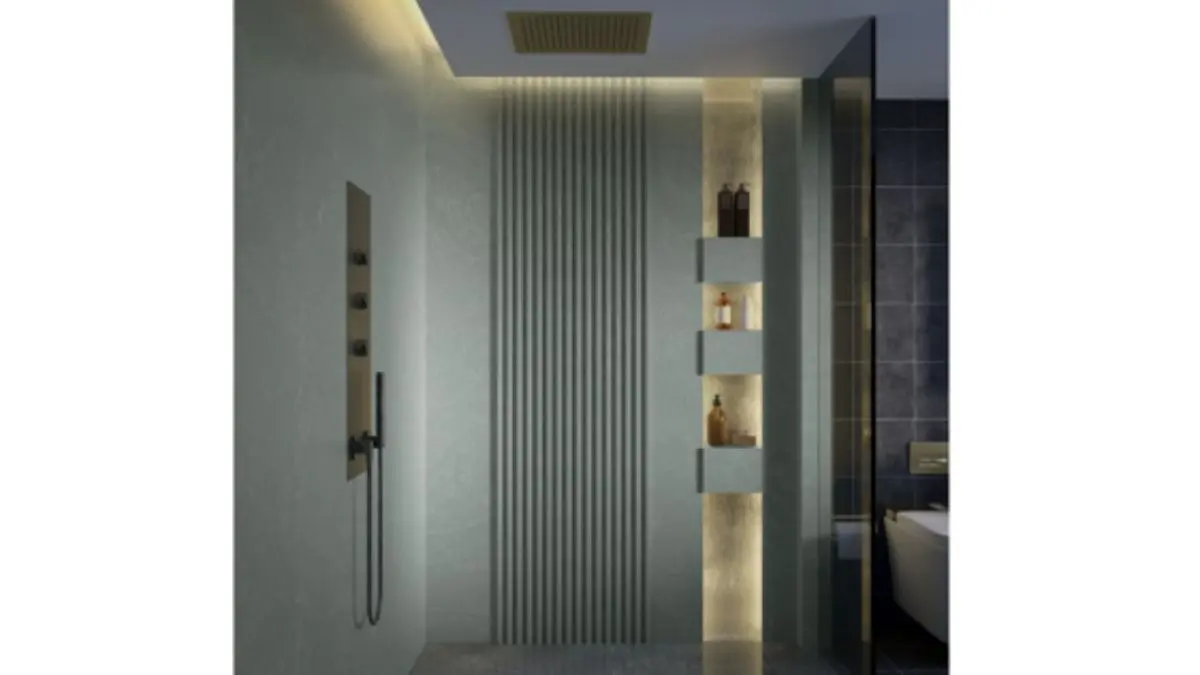
Materials used in kitchens and bathrooms are evolving accordingly. Premium engineered quartz surfaces, such as those offered by Specta Quartz Surfaces,combine refined textures with elegant veining and nature-inspired colours, allowing homeowners to create spaces that feel calm and sophisticated while remaining highly durable and easy to maintain.
Sound Shapes Behaviour
Consider the difference between a bustling quick-service restaurant and an upscale cocktail bar. Fast-food chains feature bright lighting, hard surfaces, open seating, and constant background activity that encourage quick turnover. Luxury bars and fine-dining spaces, on the other hand, rely on warm lighting, subdued acoustics, and intimate layouts that invite guests to slow down and linger.
The same principles apply to residential interiors.
Soft furnishings, upholstered furniture, curtains, rugs, acoustic wall panels, and bookshelves all help absorb unwanted noise, making homes feel calmer and more comfortable. Brands like Jaipur Rugs have long demonstrated how handcrafted rugs can soften acoustics while adding warmth and texture to interiors.
Fragrance Is Becoming Part of Interior Design
Scent is closely tied to memory and emotion, making it one of the most personal elements of sensory design. Yet fragrance is often treated as an afterthought in residential interiors. Rather than relying solely on generic room fresheners, homeowners are beginning to curate signature scents that reflect their personalities and complement different spaces within the home.
Earthy notes such as cedarwood and sandalwood create grounding living rooms, while citrus fragrances energise kitchens and floral aromas promote relaxation in bedrooms. Premium home fragrance brands like Naso Profumi are helping homeowners view scent as an integral design element rather than simply a finishing touch.
The Psychology of Taste Begins Before the Meal
Research has shown that visual cues, textures, lighting, sound, and even scent influence how we experience food. A bright, welcoming kitchen encourages leisurely family meals, while harsh lighting and clutter can make dining feel rushed or less enjoyable.
Surface materials contribute to this experience too. Clean, well-organised kitchens with durable, easy-to-maintain countertops create a greater sense of hygiene and comfort during food preparation. Specta's non-porous quartz surfaces, available in both subtle neutrals and contemporary pastel-inspired designs, support this balance between functionality and visual appeal, helping create kitchens that are both practical and inviting.
Designing Homes That Feel as Good as They Look
The future of interior design is moving beyond visual beauty toward holistic experiences. Rather than asking whether a home looks stylish, designers are increasingly asking how it makes people feel. A mindful home is one where colours calm rather than overwhelm, textures invite touch, lighting adapts to different moods, sound is thoughtfully managed, and fragrance reflects the people who live there. Every design choice contributes to an environment that supports wellbeing, productivity, and emotional balance.