
Weaving Autonomy for Women: How sixteen-year Avni Jain Blends Economic Principles and Empathy to Reclaim Bengal’s Handloom Heritage
Avni Jain’s Threads of Economy empowers women artisans in Kolkata through tailoring training, fair-wage jobs and sustainable livelihoods while preserving traditional crafts.
- Initiatives News
- 3 min read

;'%3e%3cpath%20d='m8,15.99c4.41,0,7.99-3.58,7.99-7.99S12.41,0,8,0,0,3.59,0,8s3.58,7.99,7.99,7.99Z'%20style='stroke:%23fff;%20stroke-miterlimit:10;%20stroke-width:.02px;'/%3e%3cpath%20d='m3.08,3.37l3.82,5.11-3.84,4.15h.87l3.37-3.64,2.72,3.64h2.94l-4.04-5.39,3.58-3.87h-.86l-3.1,3.35-2.5-3.35h-2.94Zm1.27.64h1.35l5.97,7.99h-1.35l-5.97-7.99Z'%20style='fill:%23fff;'/%3e%3c/g%3e%3c/svg%3e)


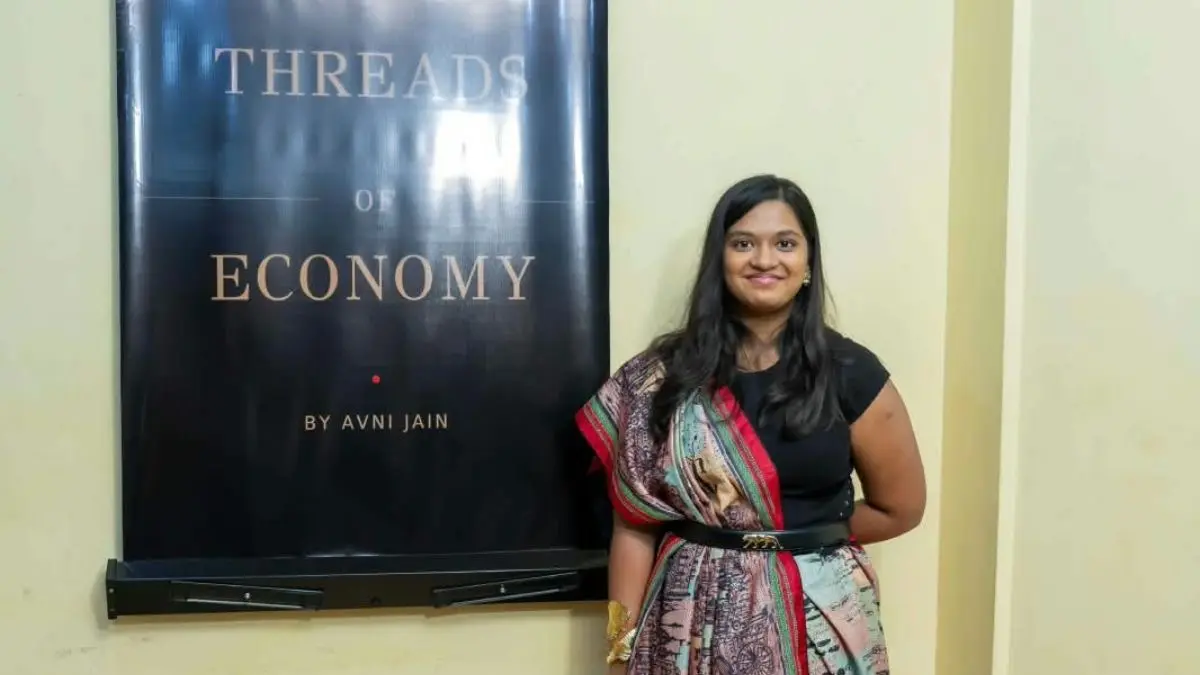
Growing up in Kolkata, Avni Jain spent childhood afternoons immersed in her grandmother’s boutique — a sanctuary of vibrant silk sarees, hand-spun fabrics, and intricate Kantha embroidery. As she grew older, however, she observed a disheartening shift: the gradual erosion of traditional handloom crafts under the relentless pressure of mass industrial manufacturing. Where many saw a fading cultural art form, Avni recognized a deeply human crisis—specifically, the systemic undervaluation of female artisans whose painstaking skill and labour remained under-credited and underpaid. Driven by deep personal empathy for these craftswomen, she understood that preserving heritage could not rely on nostalgia alone; it required structured economic agency. This realization led Avni to give shape to Threads of Economy, an initiative designed to transform traditional handloom crafts into a sustainable vehicle for female self-reliance.
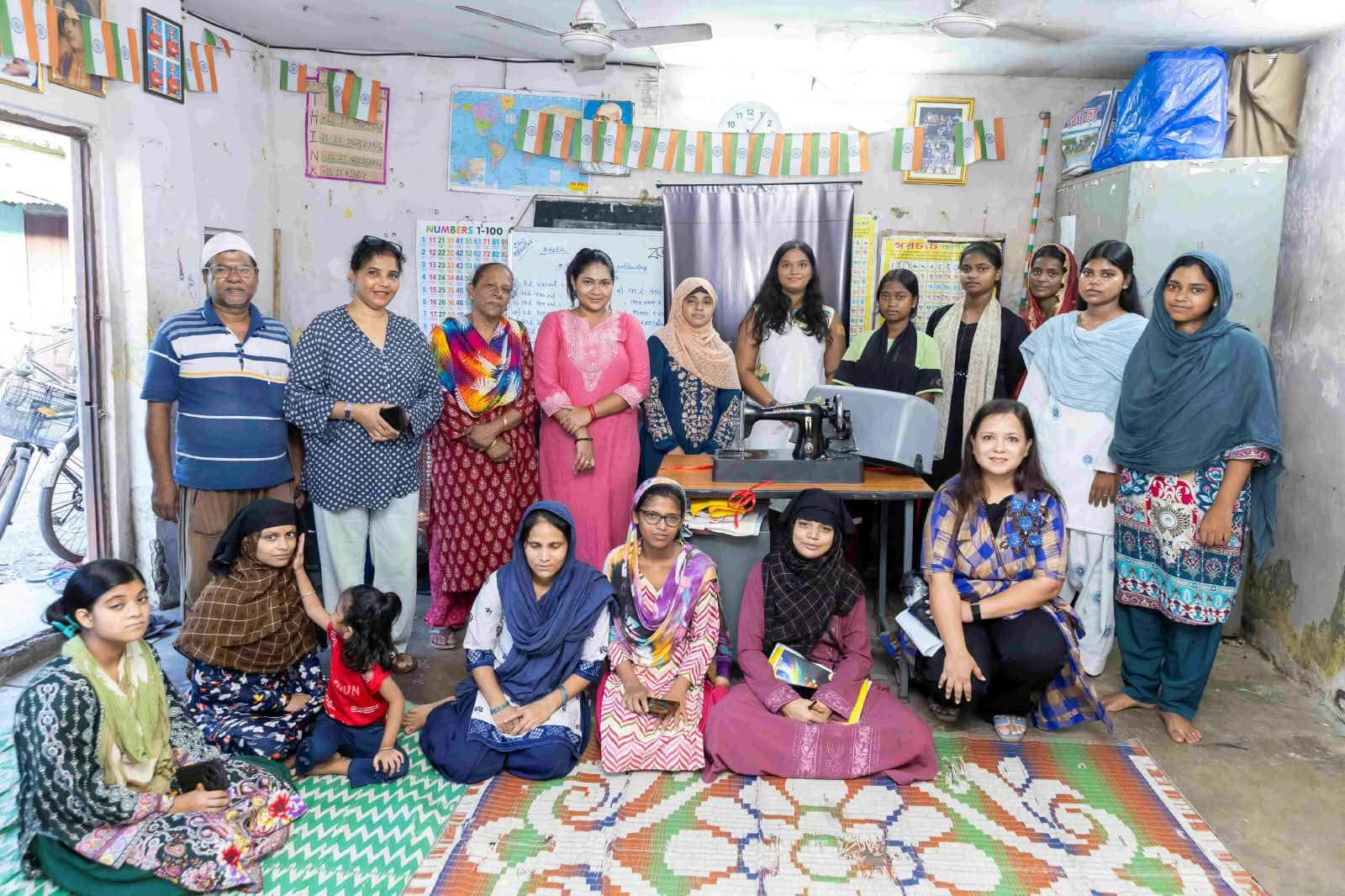
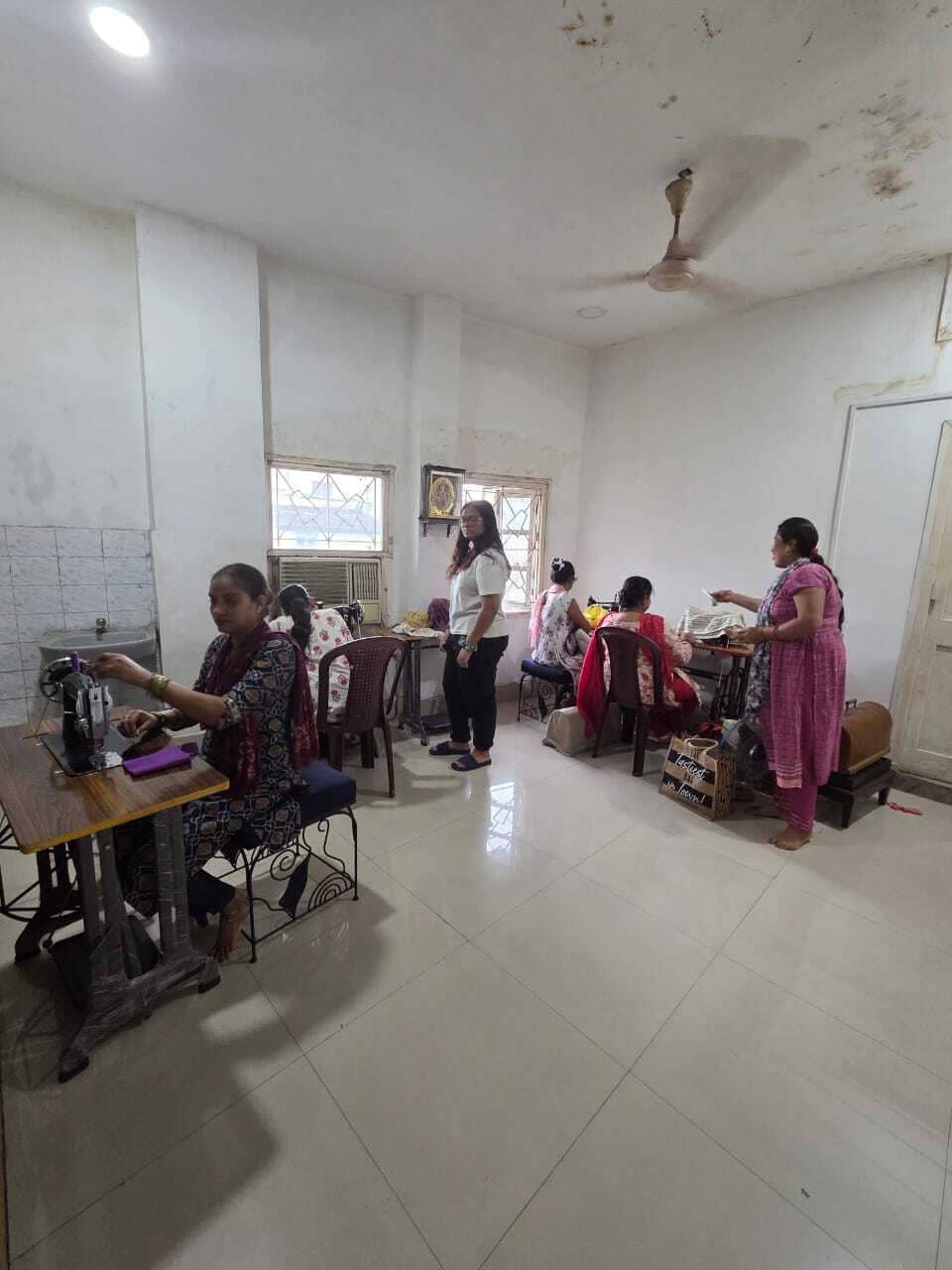
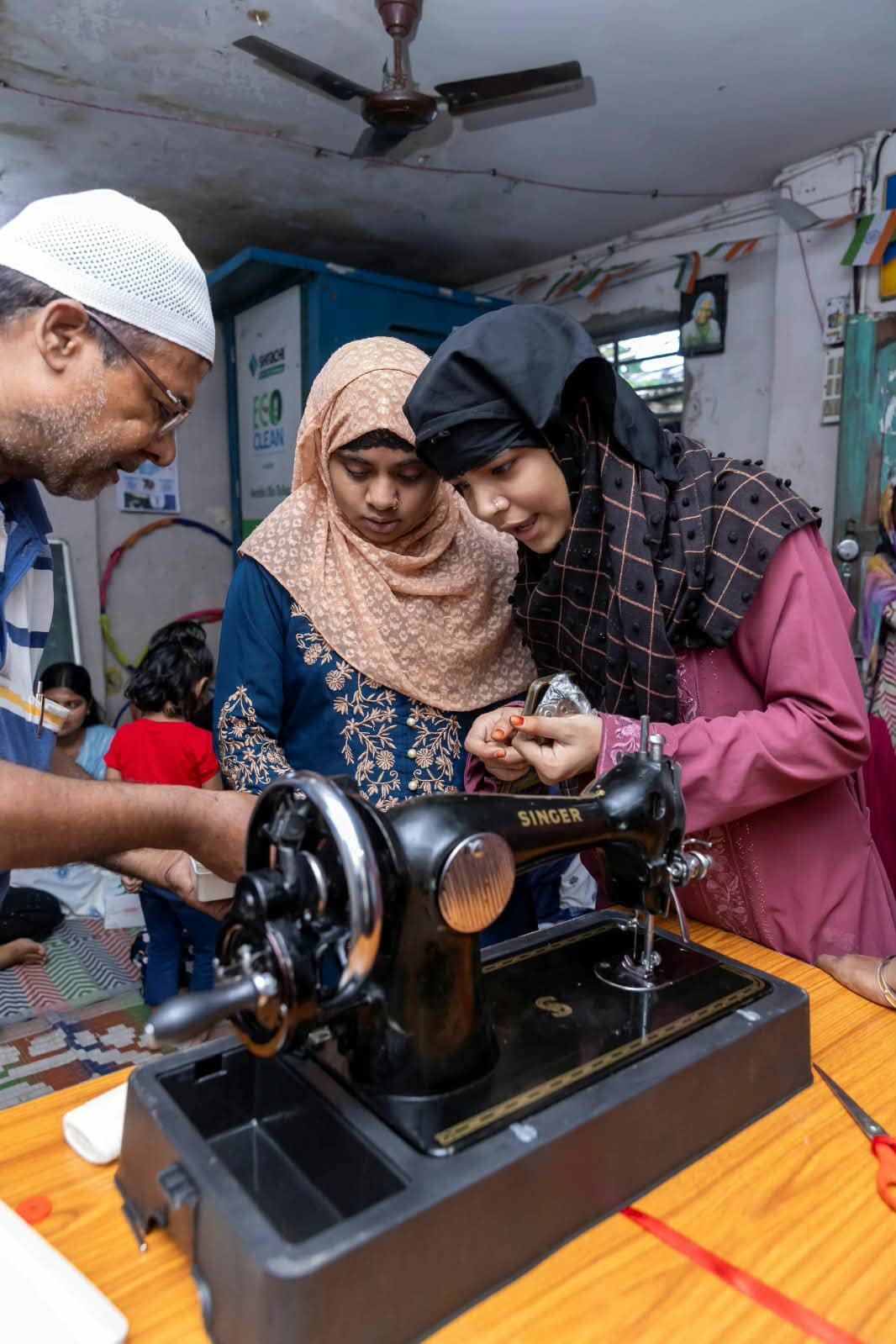
For Avni, empowerment is far more than popular sloganeering or symbolic rhetoric. Synthesizing her high school economics curriculum with insights gained from a Harvard University summer course, Feminist Dreams of an Ordinary Life, she developed a clear conceptual framework: true household decision-making power and personal autonomy begin with direct financial independence. Rather than offering superficial support, she sought to build concrete operational pathways. In early 2025, using personal savings accumulated from internship stipends, Avni partnered with Jagriti, a Kolkata-based all-women NGO operating since 1960. Together, they established a fully equipped tailoring unit to provide rigorous, structured vocational training for young women.
Advertisement
Recognizing that training programs often fail without guaranteed market access, Avni took the critical next step of bridging theory with market reality. She personally pitched to Kolkata-based fashion designers, retail labels, and local clothing boutiques, establishing direct commercial pipelines for the unit’s graduates. By securing alteration and custom tailoring work orders, she bridged the gap between raw talent and sustainable income, directly helping over ten young women land steady, fair-wage employment. This practical approach replaced abstract advocacy with measurable, life-changing financial security.
Advertisement
To address the broader societal perception of female artisanal labour, Avni curated a public art exhibition at the Indian Council for Cultural Relations (ICCR) in Kolkata. Partnering with prominent design entities such as SHE-Kantha, Studio Maeve, and Shoulder Labs Clothing, the showcase juxtaposed historical Bengali textiles with a poignant culminating mural Avni painted during her Harvard coursework. The exhibition challenged visitors to look beyond aesthetic beauty and acknowledge the intense labour, time, and human dignity embedded in every hand-stitched garment. Her forthcoming coffee-table book, Threads of Economy, further documents how craft preservation directly sustains the economic livelihoods of women artisans.
As she prepares to pursue undergraduate studies in Philosophy, Politics, and Economics (PPE) at one of the top international universities, Avni exemplifies how analytical rigour and genuine compassion can converge to create lasting social change. She firmly believes that while economic tools provide the mechanics for growth, moral philosophy and political awareness keep human dignity at the centre. Through her work, every thread of Kantha becomes more than a preserved artifact—it stands as a tangible step toward self-worth, financial freedom, and systemic empowerment for India's women.