
Why Partha Khanolkar Sees Mentorship As One Of Leadership’s Most Lasting Contributions
For Partha Khanolkar, whose career spans nearly two decades in the MedTech industry, this quieter side of leadership has become an important part of his professional identity.
- Initiatives News
- 3 min read

;'%3e%3cpath%20d='m8,15.99c4.41,0,7.99-3.58,7.99-7.99S12.41,0,8,0,0,3.59,0,8s3.58,7.99,7.99,7.99Z'%20style='stroke:%23fff;%20stroke-miterlimit:10;%20stroke-width:.02px;'/%3e%3cpath%20d='m3.08,3.37l3.82,5.11-3.84,4.15h.87l3.37-3.64,2.72,3.64h2.94l-4.04-5.39,3.58-3.87h-.86l-3.1,3.35-2.5-3.35h-2.94Zm1.27.64h1.35l5.97,7.99h-1.35l-5.97-7.99Z'%20style='fill:%23fff;'/%3e%3c/g%3e%3c/svg%3e)


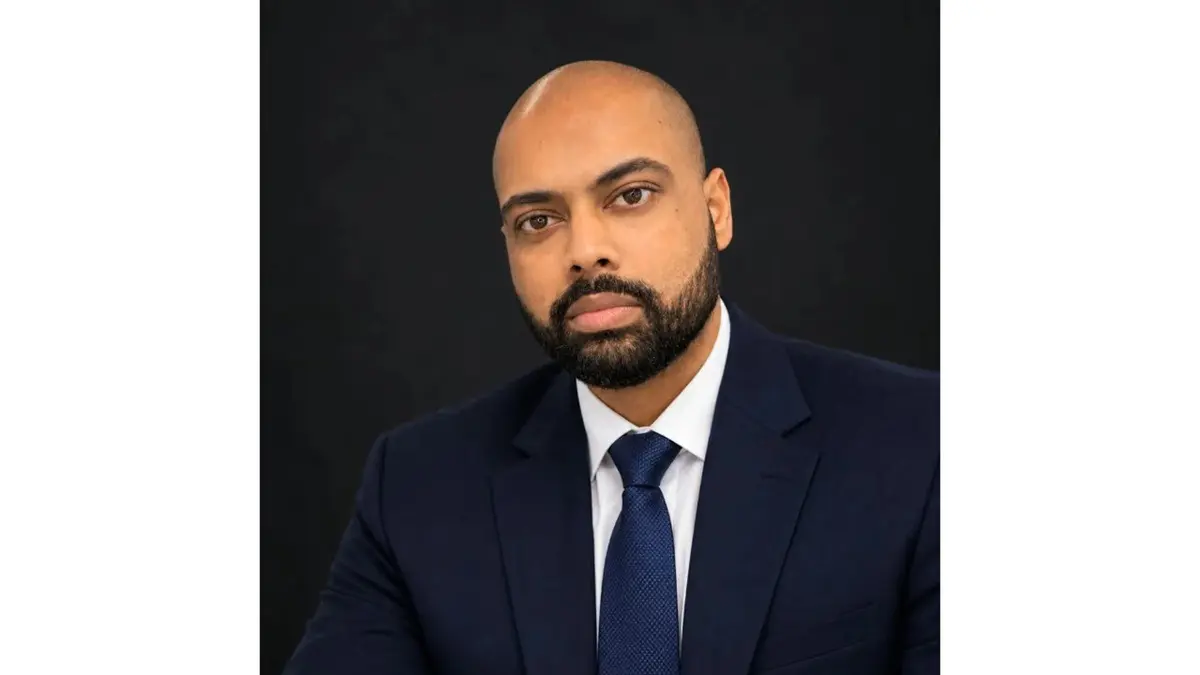
Leadership is often measured through visible outcomes: business growth, strategic decisions, professional milestones and the ability to deliver results under pressure. Yet some of its most meaningful effects are far less measurable. They appear in the careers shaped through advice, the confidence built through encouragement and the judgement younger professionals develop after being guided by someone more experienced.
For Partha Khanolkar, whose career spans nearly two decades in the MedTech industry, this quieter side of leadership has become an important part of his professional identity.
Alongside navigating an industry shaped by healthcare innovation, technological change and evolving business expectations, Khanolkar has remained closely engaged with professionals and young entrepreneurs seeking guidance. Those who have interacted with him often describe him as approachable and willing to share his experience rather than treating knowledge as something to be guarded.
Experience Becomes More Valuable When It Is Shared
Advertisement
A long career naturally accumulates lessons that rarely appear in formal training programmes. There are decisions that only make sense in hindsight, mistakes that change the way future choices are made and industry shifts that teach professionals when to move quickly and when to remain patient.
Khanolkar’s approach to mentorship draws on this accumulated perspective.
Advertisement
Rather than positioning guidance as a one-way transfer of answers, his approach is rooted in helping people think through challenges with greater clarity. For younger professionals entering competitive sectors such as MedTech, this kind of context can be particularly valuable.
The industry demands more than functional expertise. Professionals are required to understand how technology, healthcare systems, business priorities and human relationships intersect. That complexity makes judgement as important as technical knowledge.
Mentorship, in this environment, can help shorten the distance between knowing a subject and understanding how to navigate it professionally.
Leadership Beyond Designation
Khanolkar’s professional journey also reflects a broader view of leadership, one that is not confined to formal hierarchy.
Influence can happen in a conversation, a piece of practical advice or a willingness to listen when someone is uncertain about their next step. In many cases, these interactions leave a deeper impression than structured corporate processes.
This accessibility has become a recurring aspect of Khanolkar’s professional image. Despite building substantial experience in MedTech, he has continued to engage with people across different stages of their careers.
That distinction matters because seniority can easily create distance. When experienced professionals remain available to those still learning, knowledge travels more effectively across teams, companies and industries.
Building Stronger Professional Communities
The impact of mentorship extends beyond the individual receiving guidance.
When experienced professionals invest in the development of others, they help build stronger professional ecosystems. Younger talent gains perspective, future leaders develop with greater confidence and industries become less dependent on isolated pockets of expertise.
For MedTech in particular, where healthcare innovation continues to evolve rapidly, this transfer of experience is increasingly important. Technology can change quickly, but good judgement, communication and leadership are usually developed over time.
Khanolkar’s career suggests that professional success becomes more meaningful when experience does not end with the individual who earned it.
In that sense, mentorship is not separate from leadership. It is one of its most enduring forms, because while projects conclude and roles eventually change, the influence of good guidance often continues through the people who carry it forward.