
Animals That Have Gone Extinct Due To Human Intervention: Dodo, Thylacine, Golden Toad
Human intervention has, unfortunately, played a significant role in driving several species to extinction throughout history.
- Lifestyle News
- 3 min read

Human beings are considered to be the most intelligent species on the face of planet Earth. We have invented and reinvented ways to live, made technological advances, and gone ahead and decided the fate of other species. Due to our interventions and activities, we have reached a position where several species have gone extinct. While extinction is a natural phenomenon, climate change, and adaptability, there are species that have gone extinct due to human activities only. The extinction of these species serves as a poignant reminder of the environmental impact of human activities.
Thylacine (Tasmanian Tiger)
The thylacine, a carnivorous marsupial native to Tasmania, fell victim to human persecution. Considered a threat to livestock, bounties were placed on the thylacine, leading to widespread hunting. Habitat destruction and disease further fuelled the decline. The last known thylacine died in captivity in 1936, marking the tragic end of this unique marsupial.

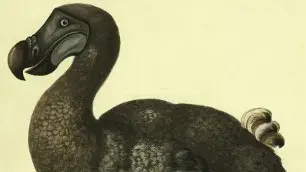
Dodo bird
The dodo bird, native to the island of Mauritius, is perhaps one of the most iconic examples of human-induced extinction. Discovered by Dutch sailors in the late 16th century, the flightless and naive dodo fell victim to habitat destruction, hunting by introduced animals, and overharvesting by sailors. By the late 17th century, the last dodo had vanished, marking the end of a unique species.
Stellar's sea cow
Once inhabiting the waters of the Bering Sea, the stellar's sea cow faced extinction at the hands of 18th-century fur hunters. Discovered by European explorers, this large marine mammal had no natural predators, making it an easy target. The combination of overhunting and its limited distribution led to its extinction within just 27 years of its discovery.
Advertisement
Deepwater cisco fish
The deepwater cisco fish, native to the North American Great Lakes, faced extinction due to overfishing and habitat degradation. Human activities, such as the introduction of invasive species and pollution, contributed to the decline of their freshwater habitats. Despite conservation efforts, the last known deepwater cisco fish was observed in Lake Superior in the mid-20th century.
Golden toad
The golden toad, native to Costa Rica, is a striking example of amphibian decline linked to climate change. The species, last seen in 1989, faced a combination of habitat loss and the deadly chytrid fungus, likely exacerbated by changing weather patterns and global warming. Its disappearance serves as a somber symbol of the global amphibian crisis catapulted by the changing climate.
Advertisement
The extinction of these species underscores the profound impact human activities can have on the delicate balance of ecosystems. Conservation efforts and awareness are crucial to prevent further loss of biodiversity and preserve the planet's natural heritage for future generations.