
Signs That Indicate Your Dog Is Anxious
Dogs, like humans, can experience anxiety and stress in response to various triggers and situations.
- Lifestyle News
- 3 min read

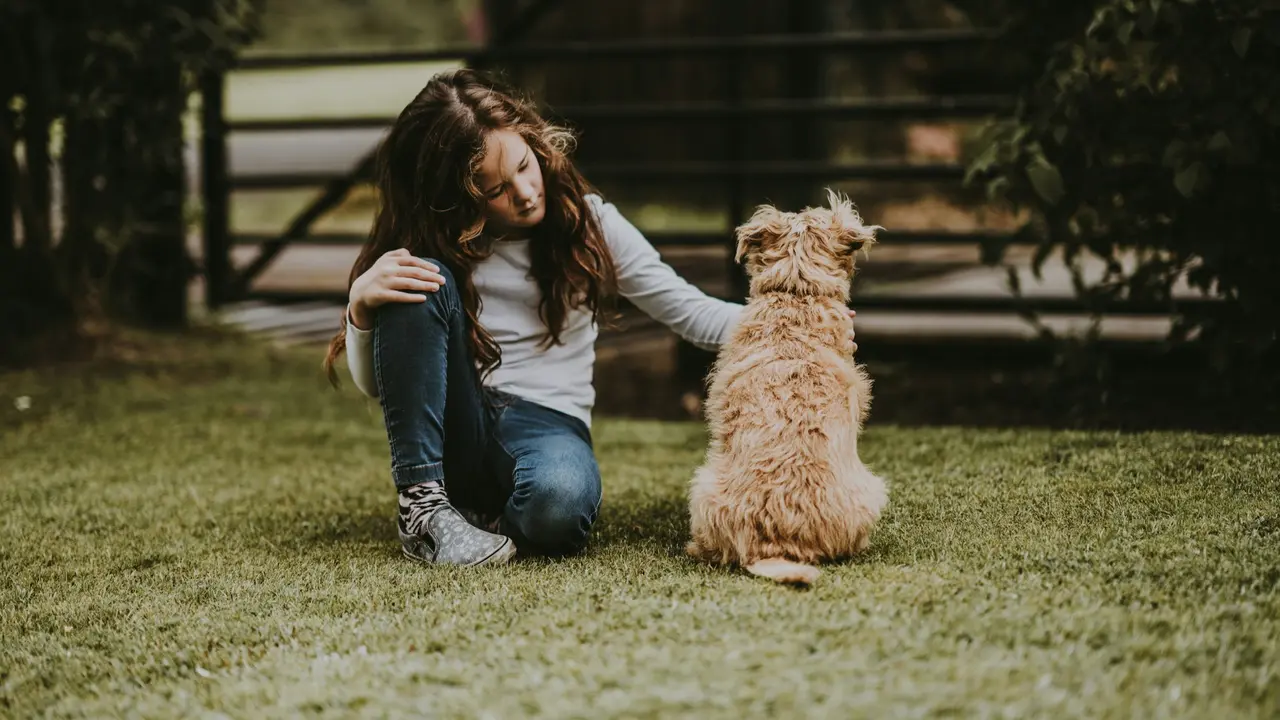
Dogs, like humans, can experience anxiety and stress in response to various triggers and situations. As responsible pet owners, it's essential to recognize the signs of canine anxiety to provide support and comfort to our furry companions. By understanding your dog's behaviour and body language, you can identify signs of anxiety and take steps to address their needs effectively. Here are some common signs that indicate your dog may be feeling anxious.
Excessive panting or pacing
One of the most noticeable signs of canine anxiety is excessive panting or pacing. When dogs feel stressed or anxious, they may exhibit restless behaviour, pacing back and forth, or panting heavily, even in the absence of physical exertion or heat.

Trembling or shaking
Trembling or shaking is another common indicator of canine anxiety. Dogs may tremble or shake uncontrollably when they feel frightened, nervous, or overwhelmed by their surroundings. Pay attention to your dog's body language and behaviour to determine if trembling is a sign of anxiety.
Excessive barking or whining
Anxious dogs may vocalise their distress through excessive barking, whining, or whimpering. They may bark incessantly in response to perceived threats or triggers, such as loud noises, unfamiliar people or animals, or changes in their environment.
Advertisement
Hiding or seeking solitude
When dogs feel anxious or stressed, they may seek refuge in secluded areas or hide from perceived threats. They may retreat to a quiet corner, under furniture, or behind objects to escape from overwhelming stimuli or situations that trigger their anxiety.
Destructive behaviour
Anxiety in dogs can manifest as destructive behaviour, such as chewing, scratching, or digging. Dogs may engage in destructive activities as a coping mechanism to alleviate stress or boredom, especially when left alone for extended periods.
Advertisement
Excessive licking or drooling
Anxious dogs may exhibit compulsive behaviours, such as excessive licking or drooling. They may lick their paws, lips, or other body parts obsessively as a self-soothing mechanism, or drool excessively in response to heightened stress or anxiety.
Changes in appetite or digestive issues
Anxiety can affect a dog's appetite and digestive health, leading to changes in eating habits, such as loss of appetite or refusal to eat. Some dogs may also experience gastrointestinal issues, such as vomiting or diarrhoea, in response to stress or anxiety.
Aggressive behaviour
In some cases, anxiety in dogs may manifest as aggressive behaviour, such as growling, snarling, or snapping. Dogs may become defensive or reactive when they feel threatened or overwhelmed by their surroundings, leading to aggressive displays as a means of self-protection.