
Updated 13 January 2024 at 12:55 IST
From Clay To Canvas: Unearthing The Timeless Beauty Of Terracotta In Art And Architecture
Terracotta has been used for creating pottery, figurines, and architectural embellishments since time immemorial.
- Lifestyle News
- 2 min read

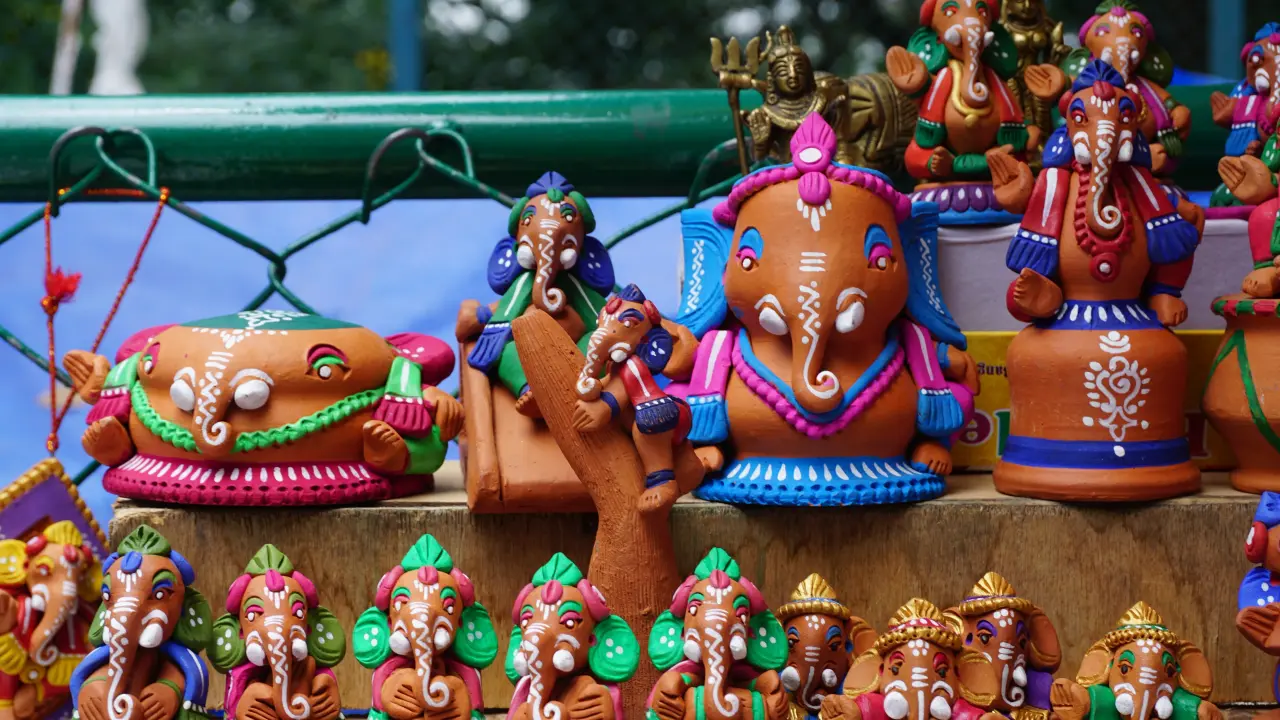
We have all come across pretty terracotta figurines and utensils. Its name, derived from the Italian words "terra" (earth) and "cotta" (cooked), aptly describes the process of firing clay to create enduring masterpieces. How did we begin this technique to create art and architecture? When did it begin? Let us discover the rich history of terracotta, tracing its evolution as both an artistic medium and a building material.
Ancient roots
The origins of terracotta can be traced back to ancient civilisations. In Mesopotamia, around 3000 BCE, terracotta was used for creating pottery, figurines, and architectural embellishments. The Greeks and Romans further refined the craft, employing terracotta in the construction of temples, statues, and decorative elements. There have been terracotta discoveries at the digging sites of Indus Valley Civilisation as well.

Asian influences
In Asia, particularly in China and India, terracotta found its way into artistic expression. The famed Terracotta Army, discovered in the tomb of China's first emperor Qin Shi Huang, is proof of the incredible artistry and craftsmanship of ancient Chinese artisans. In India, terracotta has adorned temples and sculptures, exemplified by the intricate works at Khajuraho and Bishnupur.
Renaissance revival
During the Renaissance, European artists rediscovered the beauty of terracotta. Renowned sculptors like Donatello and Luca della Robbia included terracotta in their masterpieces, introducing a revival of interest in this ancient medium.
Advertisement
Architectural marvels
Terracotta gained prominence in architecture during the 19th and 20th centuries. The use of terracotta tiles and ornaments in buildings, such as the Chicago School skyscrapers, showcased its versatility and durability. The material became a popular choice for facades, providing an affordable yet elegant alternative to stone. The contemporary world has terracotta as an art, craft, and creative expression. From jewellery to show pieces, all of these pieces are created using terracotta, adding another layer of creativity to the long and expansive journey of terracotta.
Published By : Akanksha Arora
Published On: 13 January 2024 at 12:55 IST