
Rare Blue Moon on May 31: What Is The Celestial Event And Why Will We Have To Wait Another 3 Years Before It Happens
May 2026 is set to witness a rare lunar phenomenon as the month began and will end with a full moon.
- Lifestyle News
- 3 min read

;'%3e%3cpath%20d='m8,15.99c4.41,0,7.99-3.58,7.99-7.99S12.41,0,8,0,0,3.59,0,8s3.58,7.99,7.99,7.99Z'%20style='stroke:%23fff;%20stroke-miterlimit:10;%20stroke-width:.02px;'/%3e%3cpath%20d='m3.08,3.37l3.82,5.11-3.84,4.15h.87l3.37-3.64,2.72,3.64h2.94l-4.04-5.39,3.58-3.87h-.86l-3.1,3.35-2.5-3.35h-2.94Zm1.27.64h1.35l5.97,7.99h-1.35l-5.97-7.99Z'%20style='fill:%23fff;'/%3e%3c/g%3e%3c/svg%3e)


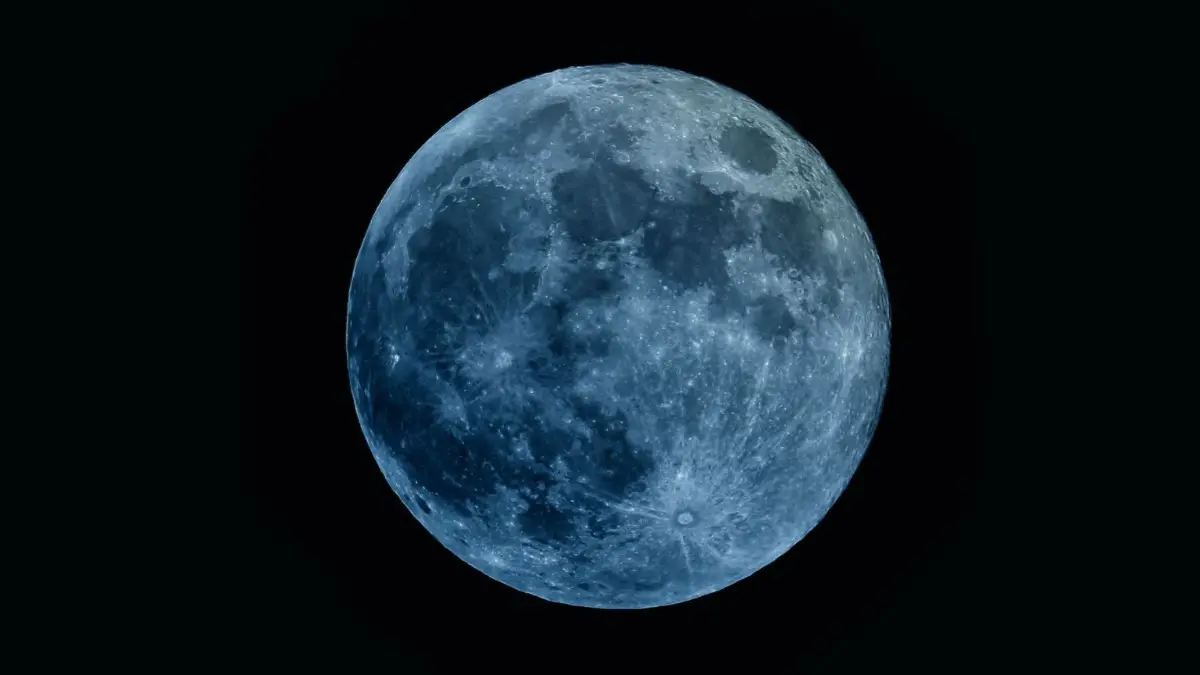
A rare lunar phenomenon is beckoning us yet again. The event, expected to take place at the end of this month, has already got astronomers and skywatchers enthusiastic. This rare lunar event is called the Blue Moon.
While a 'rare' celestial event seems to be more common than one would think in recent times, this one really is pivotal. On May 31, we are expected to witness a full moon, the second of this month. While the moon will not actually appear to be blue, the event remains one of the most unusual celestial occurrences of the year.
What is a blue moon?

A Blue Moon refers to the second full moon occurring within a single calendar month. The term is used to describe this relatively uncommon lunar occurrence, which takes place every two to three years. In May 2026, the first full moon appeared on May 1, while the second full moon is expected on May 31, making it one of the year’s most talked-about astronomical events.
Advertisement
Why is this lunar event considered rare?
Most months experience one full moon because of the lunar cycles. The cycle lasts around 29.5 days. However, when the timing aligns in a certain way, a month can experience two full moons instead of one. Since they are rare, blue moon nights are believed to attract attention from the astrology and astronomy community. This uncommon phenomenon is also linked with the popular phrase "once in a blue moon," which is used to describe something that does not happen very often.
Why is it called a blue moon?
No, the moon will not turn blue! The name originates from a major mistake by an astronomy magazine in 1956. Though the nomenclature stuck, it has nothing to do with the moon actually turning blue.
Advertisement
People are expected to observe the blue moon, especially because these full moons are known for their bright appearance. Air pollution and weather conditions can affect the quality, but a clear sky could offer some spectacular views of the moon. For a better viewing experience, watch this event from an open area with minimal city lights. That way, it won't block the view or affect it.
Also Read: How Moon Phases May Affect Your Sleep
When will the next blue moon happen?
Since Blue Moons are relatively uncommon, they do not occur every year. Astronomical calendars track these lunar phases carefully, making events like the May 2026 Blue Moon especially exciting for people interested in celestial observations. The last blue moon took place on August 31, 2023. As per experts, the next event will occur on December 31, 2028.