
When Is Phalguna Amavasya 2026? Know Shubh Muhurat, Significance And Rituals
Phalguna Amavasya, which occurs in the month of Phalguna in the Hindu calendar, holds special significance and is especially revered. This year, it coincides with a solar eclipse on February 17.
- Lifestyle News
- 2 min read

;'%3e%3cpath%20d='m8,15.99c4.41,0,7.99-3.58,7.99-7.99S12.41,0,8,0,0,3.59,0,8s3.58,7.99,7.99,7.99Z'%20style='stroke:%23fff;%20stroke-miterlimit:10;%20stroke-width:.02px;'/%3e%3cpath%20d='m3.08,3.37l3.82,5.11-3.84,4.15h.87l3.37-3.64,2.72,3.64h2.94l-4.04-5.39,3.58-3.87h-.86l-3.1,3.35-2.5-3.35h-2.94Zm1.27.64h1.35l5.97,7.99h-1.35l-5.97-7.99Z'%20style='fill:%23fff;'/%3e%3c/g%3e%3c/svg%3e)


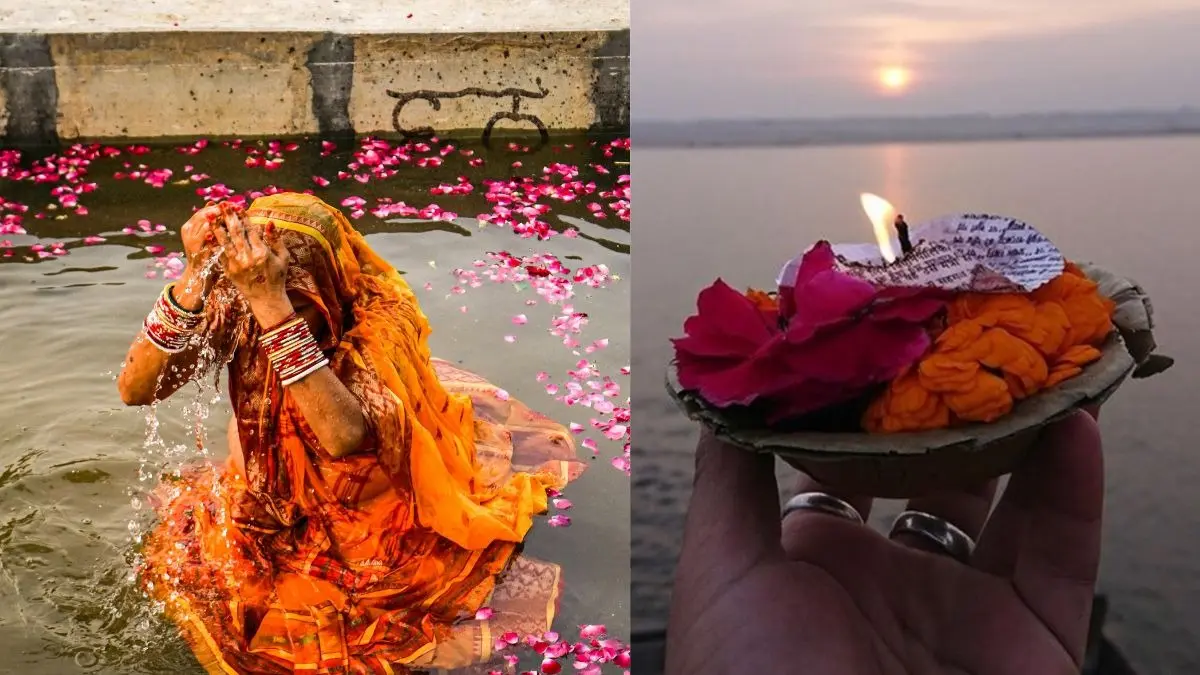
Amavasya, the lunar phase marking the new moon, occurs every month and is often associated with the spiritual symbolism of the invisible moon. This time is regarded as highly auspicious for honouring and venerating ancestors, a practice deeply rooted in many cultures. The rituals performed during Amavasya are designed to promote peace and comfort for ancestral souls, facilitating their liberation and allowing them to ascend to Pitru Loka, a realm believed to be the resting place of departed ancestors.
Specifically, Phalguna Amavasya, which occurs in the month of Phalguna in the Hindu calendar, holds special significance and is especially revered. This year, it coincides with a solar eclipse on February 17. It is important to note that the eclipse will not be visible from India. Nevertheless, the convergence of Phalguna Amavasya and a solar eclipse adds a layer of spiritual significance to the day, prompting many to engage in traditional rites and ceremonies to honour their ancestors.

Phalguna Amavasya 2026: Shubh Timing
The Amavasya tithi will begin at 5:34 PM on February 16 and conclude at 5:30 PM on February 17. The snan (bathing) time will start at 5:16 AM and conclude at 6:07 AM. Amrit Kaal Muhurat is from 10:39 AM to 12:17 PM.
Phalguna Amavasya 2026: Rituals
Also known as Darsha Amavasya, the auspicious day signifies the conclusion of Krishna Paksha. Across India, the devotees observe the occasion by performing ancestral rites and offering charity to needy people.
Advertisement
Tarpan: This ritual involves offering water mixed with sesame seeds. It is performed at sacred rivers, ponds, or even at home, using water blended with sesame seeds, barley, and kusha grass while chanting mantras.
Pind Daan: Rice balls, made from rice and barley flour, are offered to help souls detach from earthly ties.
Advertisement
Shraddha Puja: Carry out Shraddha rituals under the guidance of a priest, chanting mantras to seek blessings.
Feeding Brahmins and the poor: Prepared food, fruits, and sweets are offered to Brahmins or priests, symbolising ancestors. Later, the food is donated to the needy and given to cows, birds, and other animals.
Charity and donations: Offering donations, clothes, or grains in memory of ancestors brings spiritual merit.
Light lamps: Some families light lamps in the evening, praying for peace for departed souls.