
What Is Resistant Starch? Simplest Way To Make Your Favourite Carbs Healthier
Resistant starch is a unique type of dietary carbohydrate that avoids digestion in the small intestine. It travels straight to the large intestine, where it feeds healthy gut bacteria and boosts digestive health.
- Lifestyle News
- 3 min read

;'%3e%3cpath%20d='m8,15.99c4.41,0,7.99-3.58,7.99-7.99S12.41,0,8,0,0,3.59,0,8s3.58,7.99,7.99,7.99Z'%20style='stroke:%23fff;%20stroke-miterlimit:10;%20stroke-width:.02px;'/%3e%3cpath%20d='m3.08,3.37l3.82,5.11-3.84,4.15h.87l3.37-3.64,2.72,3.64h2.94l-4.04-5.39,3.58-3.87h-.86l-3.1,3.35-2.5-3.35h-2.94Zm1.27.64h1.35l5.97,7.99h-1.35l-5.97-7.99Z'%20style='fill:%23fff;'/%3e%3c/g%3e%3c/svg%3e)


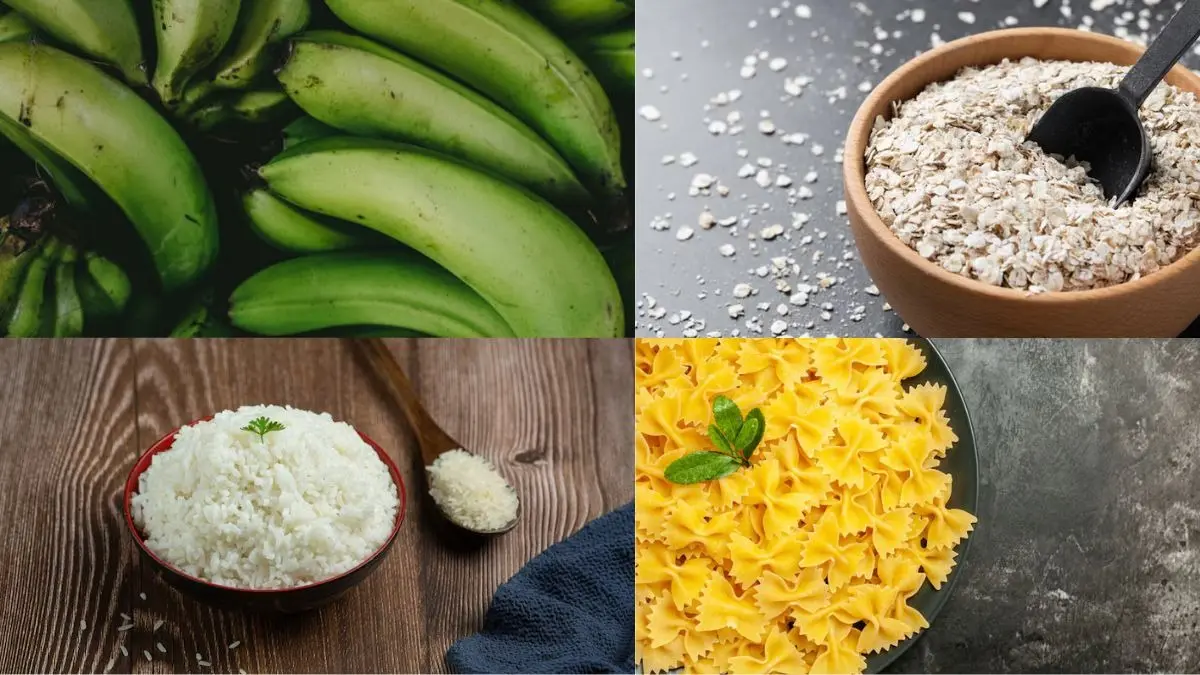
Carbohydrates are associated with providing energy. But not all starches are digested in the same way. Resistant starch is a type of carbohydrate that passes through the small intestine without being fully broken down. Instead, it reaches the large intestine, where it acts like a dietary fibre and supports gut health. It is found naturally in everyday foods and has gained attention for its potential health benefits.
What is resistant starch?

Resistant starch is a type of carbohydrate that resists digestion in the small intestine. Rather than being absorbed as glucose immediately, it travels to the large intestine, where it is fermented by beneficial gut bacteria. This process produces short-chain fatty acids, which play a role in supporting digestive health.
Benefits of resistant starch
Supports gut health
Resistant starch acts as food for beneficial bacteria in the gut. A healthy gut microbiome plays an important role in digestion and overall well-being.
May improve digestion
Since resistant starch functions like dietary fibre, it can support regular bowel movements and contribute to better digestive health.
Advertisement
Helps keep you full for longer
Foods rich in resistant starch may increase feelings of fullness after meals. This can help reduce unnecessary snacking and support healthy eating habits.
May support healthy blood sugar levels
Resistant starch is digested more slowly than regular starch. This may help reduce sudden spikes in blood sugar levels after eating.
Advertisement
Increases daily fibre intake
Including resistant starch-rich foods in your meals is an easy way to boost your fibre intake, which is important for digestive and overall health.
Foods that contain resistant starch
Green bananas
Green bananas are one of the richest natural sources of resistant starch. As they ripen, the amount of resistant starch gradually decreases.
Cooked and cooled potatoes
Potatoes develop more resistant starch after they are cooked and allowed to cool. They can be added to salads or eaten cold.
Cooked and cooled rice
Cooling cooked rice increases its resistant starch content. It can be used in dishes like fried rice or rice salads.
Cooked and cooled pasta
Like rice and potatoes, cooked pasta forms more resistant starch after cooling, making it a good option for cold pasta salads.
Oats
Oats naturally contain resistant starch and are an easy breakfast option that also provides fibre and other nutrients.
How to add resistant starch to your daily diet
- Start your day with a bowl of oats or add green banana to a smoothie.
- Include beans, chickpeas, or lentils in curries, soups, and salads.
- Use cooked and cooled rice or potatoes to prepare salads or other meals.
- Add green peas to pulao, stir-fries, or vegetable dishes.
- Pair resistant starch-rich foods with vegetables and lean protein for a balanced meal.