
Updated 19 October 2025 at 19:54 IST
Why Do People Eat Jimikand On Diwali?
Diwali has multiple food traditions that are followed by devotees in different parts of India. There's a ritual of eating Jimikand or suran (Elephant foot yam) on this day.
- Lifestyle News
- 2 min read

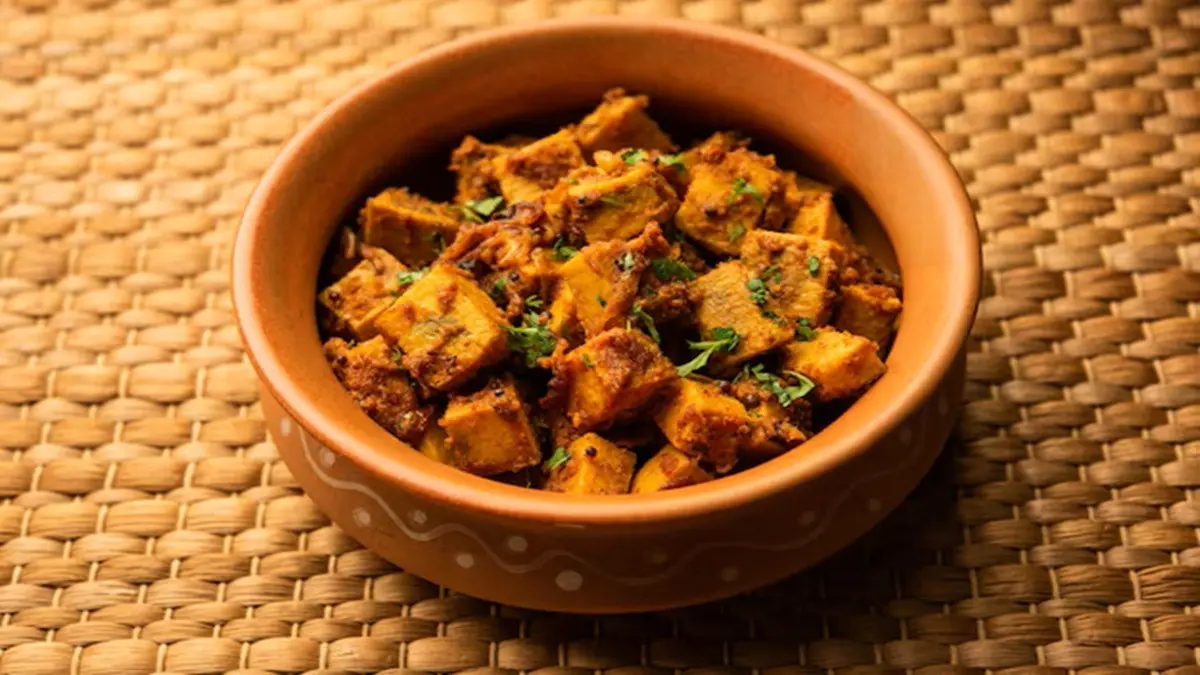
Diwali is one of the most auspicious and vibrant festivals celebrated in Hinduism. This year, Diwali will be observed on October 20. People on this day worship Goddess Lakshmi (the divine feminine) energy to seek good luck, prosperity and wellness.
Diwali has multiple food traditions that are followed by devotees in different parts of India. There's a ritual of eating Jimikand or suran (Elephant foot yam) on this day. Eating this vegetable is an absolute must in many households.
Significance of eating Jimikand on Diwali

As per some religious beliefs, Jimikhand is considered very auspicious. This is because this vegetable grows in the soil, and some of its small corms remain in the earth even after harvesting. It grows in the next season itself and grows really fast, which symbolises an unending cycle of prosperity, linking it to Goddess Lakshmi. It is believed that this vegetable also brings good luck, fortune and wellness if someone eats it on the day of Diwali.
Benefits of eating Jimikand
Immunity booster: Jimikand is rich in antioxidants that help to strengthen the immune system.
Advertisement
Supports digestion: Due to the high content of fibre, it aids digestion and helps prevent gastrointestinal issues.
Aids weight management: The fibre content also promotes satiety and can help with weight loss.
Advertisement
Manages blood sugar: It is considered suitable for diabetics and can help in managing blood sugar levels.
Promotes heart health: It is a great source of nutrients like potassium and omega-3 fatty acids, which are beneficial for heart health.
READ MORE: Diwali Party Menu: 7 Delectable Vegetarian Starters That Will Make Your Bash The Talk Of The Town
How to consume Jimikand?
On Diwali, Jimikand can be eaten as a spicy curry (sabzi), mashed into chokha or bharta (mashed with spices), or made with crispy tikkis (patties) or sliced fried chips. Traditional and innovative preparations can include hearty gravy-based curry or simpler fried snacks.
Published By : Nimakshi Chanotra
Published On: 19 October 2025 at 19:54 IST