
Researchers discover reason behind cancer's resistance to therapy
It has been long since scientists are grappling with the mystery of cancer cells developing a resistance to chemotherapy and growing back.
- Lifestyle News
- 2 min read

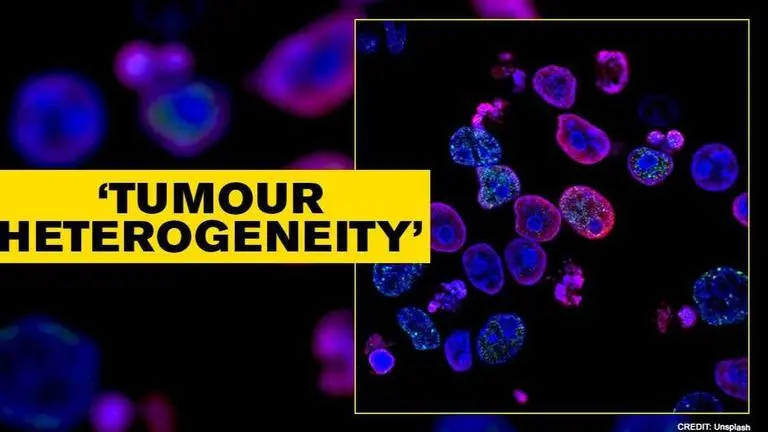
It has been long since scientists are grappling with the mystery of cancer cells developing a resistance to chemotherapy. While many tumours shrink after the therapy, many of them eventually grow back. Their knack in regrowth has been a major obstacle for researchers trying to achieve long-lasting cures for the deadly disease.
Previously, researchers had pointed out to unique genetic mutations in tumour cells as the reason behind their drug resistance. However, they have recently started shifting their attention to non-genetic changes in the cells that explains their adaptability.
Changing identities
One way the cells adapt to the drug is by changing their identity. For instance, a prostate cancer cell sensitive to hormone-blocking therapy could alter its identity to a cell type that does not require the hormone to grow. According to researchers, identity changes like these come from changes in gene expression wherein a particular cell turns on or off a gene resulting in a different identity or gene heterogeneity.
Advertisement
A new study published on July 23 in journal Cancer cell finds that this tumour heterogeneity can be traced to a common source: a particularly flexible cell state that is characteristic of a subset of cells in a tumour and can generate many other diverse cell types. "Our model could explain why certain cancer cells are resistant to therapy and don't have a genetic basis for that resistance that we can identify," Dr Chan, the lead researcher said.
Advertisement
Because of this, the cell heterogeneity could be an attractive target for potential therapies, researchers at the Sloan Kettering Institute, the Koch Institute for Integrative Cancer Research at MIT, and the Klarman Cell Observatory at the Broad Institute concluded.