
Updated 10 January 2024 at 18:05 IST
Makar Sankranti 2024: How kite-flying became a significant tradition of the harvest festival
Makar Sankranti 2024 will be celebrated on January 15 this year. Kite-flying plays a significant role in the harvest festival that is celebrated with zest.
- Lifestyle News
- 2 min read

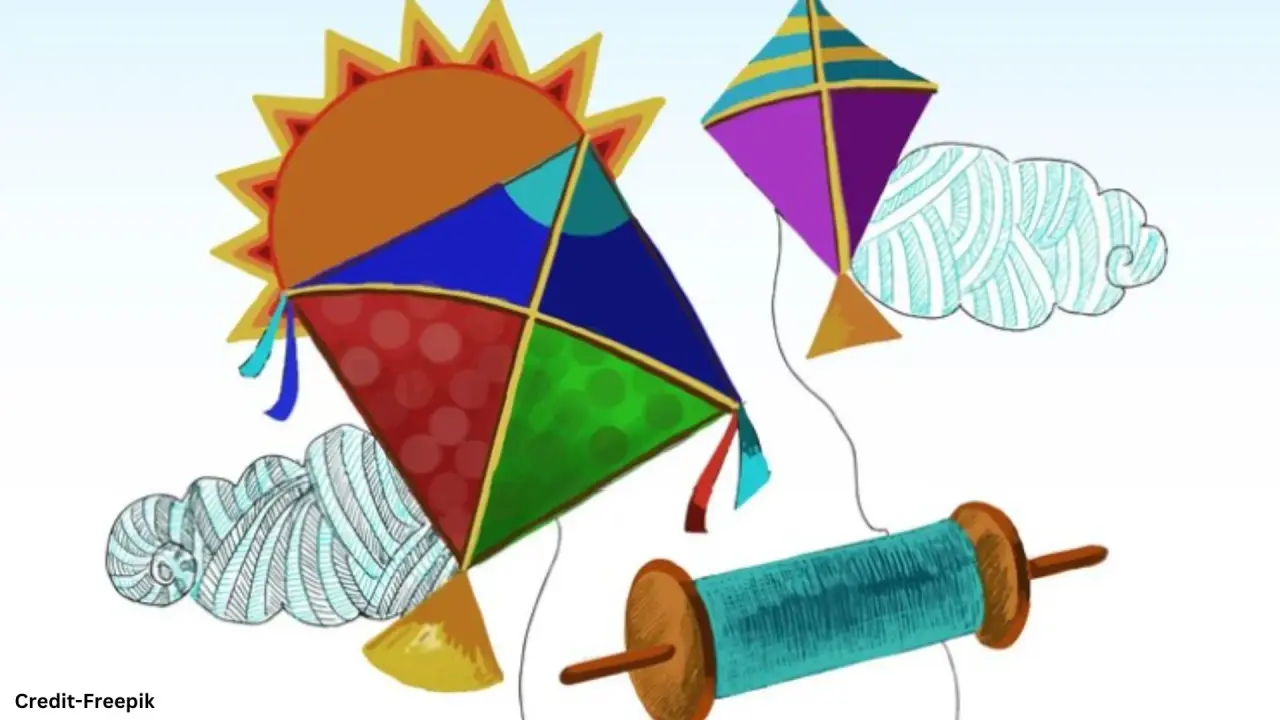
Makar Sankranti will be celebrated on January 15 this year. It is celebrated with zest and enthusiasm across India. The day is celebrated to commemorate the harvest season. Apart from eating delectable sweets, and engaging in merry with family members and friends. A popular tradition of the day is kite flying. How did this tradition take flight and become an integral part of Makar Sankranti celebrations?
Symbolism of the sun's transition
Makar Sankranti signifies the movement of the sun northward, marking longer days and the onset of warmer weather. This transition is believed to bring prosperity and new beginnings. Kite flying is seen as a symbolic gesture of reaching towards the heavens, a reflection of the sun's journey and an expression of joy and gratitude for the changing seasons.

Ancient roots
The roots of kite flying during Makar Sankranti can be traced back to ancient times. The festival, which marks the transition of the sun into the zodiac sign of Capricorn, is associated with the harvest season. In various regions of India, the harvesting of crops is completed around this time, and communities come together to celebrate the abundance of the harvest.
The role of saints
In some regions, the association of kite flying with Makar Sankranti is linked to the reverence of certain saints and historical figures. For instance, in Gujarat, the tradition is attributed to the legendary poet-saint Sant Tukaram. His followers started the practice of flying kites to commemorate his divine presence.
Advertisement
Competitions and camaraderie
Over the years, kite flying during Makar Sankranti has evolved from a simple tradition to a highly competitive and social activity. Kite-flying competitions are organised in many regions, where participants showcase their skills in manoeuvring and cutting opponents' kites. The skies come alive with colourful kites, creating a visual spectacle that adds to the festive atmosphere.
Community bonding
Beyond the thrill of competition, kite flying serves as a medium for community bonding. Families and friends gather on rooftops and open grounds, sharing laughter, stories, and the joy of seeing their kites dance in the sky. This communal aspect of the tradition reinforces the spirit of togetherness and celebration.
Advertisement
Published By : Jyothi Jha
Published On: 10 January 2024 at 18:05 IST