
What Is Telephobia? All About The Reason GenZ Shies Away From Picking Calls
In times dominated by smartphones and technology, GenZ has developed a phobia of phone calls, known as telephobia.
- Lifestyle News
- 2 min read

;'%3e%3cpath%20d='m8,15.99c4.41,0,7.99-3.58,7.99-7.99S12.41,0,8,0,0,3.59,0,8s3.58,7.99,7.99,7.99Z'%20style='stroke:%23fff;%20stroke-miterlimit:10;%20stroke-width:.02px;'/%3e%3cpath%20d='m3.08,3.37l3.82,5.11-3.84,4.15h.87l3.37-3.64,2.72,3.64h2.94l-4.04-5.39,3.58-3.87h-.86l-3.1,3.35-2.5-3.35h-2.94Zm1.27.64h1.35l5.97,7.99h-1.35l-5.97-7.99Z'%20style='fill:%23fff;'/%3e%3c/g%3e%3c/svg%3e)


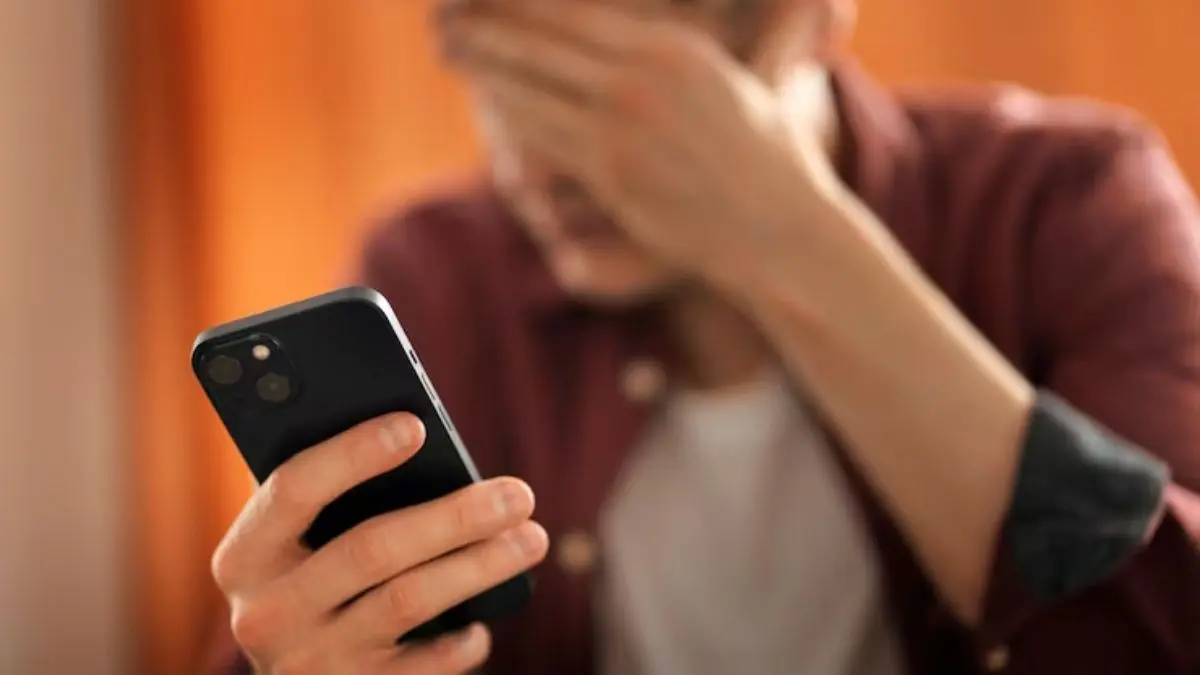
In an era dominated by smartphones, social media and instant messaging, the idea of being afraid to use a phone might sound ironic. Yet, telephobia—the fear or anxiety associated with making or receiving phone calls—is increasingly being discussed, especially among Gen Z. The feeling is described by the fear of receiving or making phone calls, which is often associated with social anxiety.
What is telephobia?
Telephobia is a form of social anxiety where individuals experience stress, fear or discomfort when they have to talk on the phone. Symptoms may include sweating, racing thoughts, a rapid heartbeat, overthinking what to say, or repeatedly postponing calls. Some people may let calls go unanswered, rely heavily on texts or emails, or feel emotionally drained after a phone conversation. In fact, reports also suggest that a reliance on voice messages has significantly increased among the younger generation. As per reports, the phobia was first introduced in 1992, much before the advent of smartphones.
Also Read: Why Couples Who Outsource Daily Tasks Are More Satisfied Together?
Why is Gen Z more affected by telephobia?
One of the key reasons Gen Z is more prone to telephobia is the digital environment they grew up in. Born into a world of WhatsApp, Instagram DMs and voice notes, many Gen Z individuals are far more comfortable communicating through text than speech. Texting allows time to edit responses, control tone and avoid awkward silences—luxuries that phone calls do not offer.
Another major factor is the fear of real-time judgment. Phone conversations require instant responses, making people anxious about saying the “wrong” thing. Gen Z, already under pressure from social media comparisons and online scrutiny, often finds spontaneous verbal communication overwhelming. The absence of visual cues during calls can also make conversations feel unpredictable and stressful.
Advertisement
The rise of scam calls and spam numbers has added to the problem. Many young Indians associate unknown calls with fraud, telemarketing or bad news, leading to an instinctive avoidance of calls altogether. Some even blame work culture in this by arguing that phone calls are often seen intusive and unnecessary.
Also Read: Do You Know The Difference Between Jalebi And Imarti?
How to deal with telephobia?
Experts suggest gradual exposure—starting with short, low-pressure calls—can help reduce anxiety. Preparing talking points, practising with trusted people and reminding oneself that calls do not need to be “perfect” are useful strategies. However, it is best to seek professional help to deal with serious issues relating to anxiety and stress.
Also Read: Winter Styling Tips: How To Ace Layering Like A Pro