
Shubhanshu Shukla's Space Milestone: All You Must Know About His 7 Groundbreaking Experiments Aboard ISS As Part of Axiom-4 Mission
Astronaut Shubhanshu Shukla successfully completes seven experiments aboard ISS as part of Axiom-4 Mission.
- Science News
- 4 min read

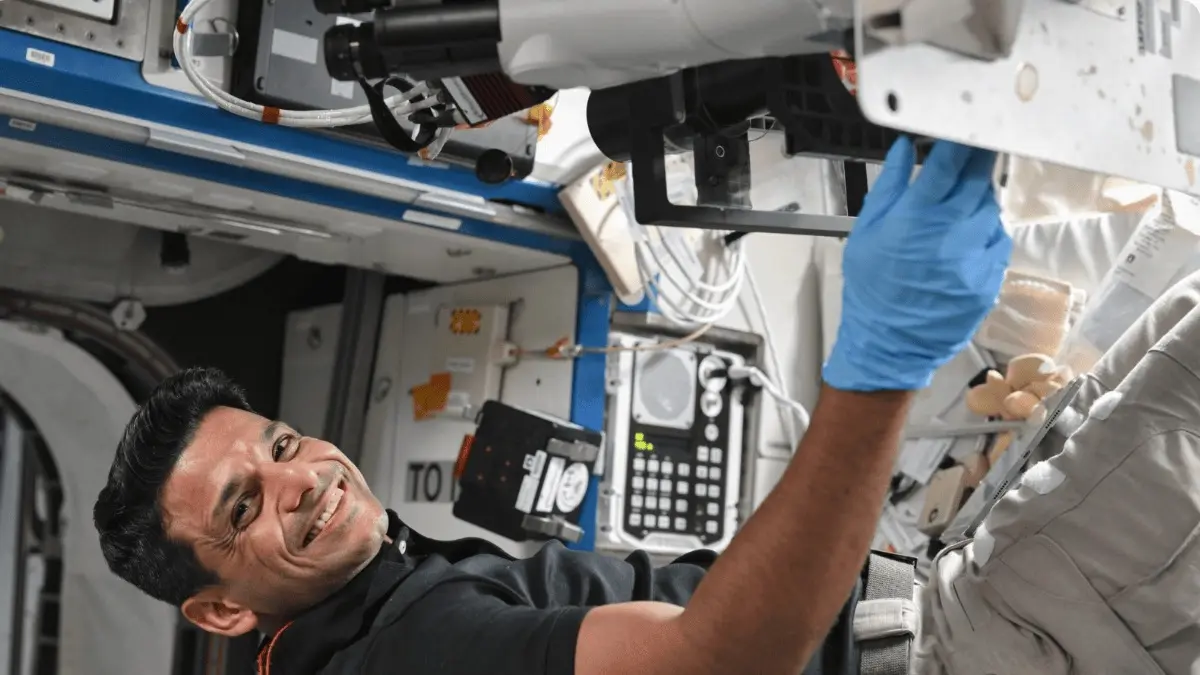
New Delhi: As all eyes are on Group Captain Shubhanshu Shukla’s return to Earth today at 3:01 PM IST, the Indian astronaut has successfully completed seven groundbreaking experiments during his 18-day stay at the International Space Station (ISS).
The Axiom-4 mission, in collaboration with ISRO, saw Shukla undertake a series of critical studies, including research on muscle atrophy, crop seed growth in space, and the resilience of micro-organisms in microgravity. These experiments are expected to advance the understanding of long-duration space missions and improve future space technologies.
What Are the 7 Experiments Shubhanshu Shukla Conducted During His Time in Space?
Muscle Atrophy in Space: One of the major challenges of long-term space travel is muscle atrophy due to the absence of gravity. Shubhanshu Shukla participated in research focused on understanding the effects of zero gravity on muscle deterioration. The findings will help improve health protocols for astronauts on extended missions, like the ones planned for Mars.
Crop Seed Germination in Microgravity: This experiment explored how seeds, such as wheat and rice, grow in space. By observing the effects of microgravity on crop seeds, Shukla and his team aimed to make space farming a reality, which is crucial for sustaining astronauts on long missions. The success of this experiment could lead to breakthroughs in space-based food production.
Advertisement
Tardigrade Resilience in Space: Tardigrades, microscopic creatures known for their extreme resilience, were studied to see how they survive in the harsh conditions of space. This experiment provides insight into DNA damage resistance and could help design life forms capable of surviving extreme space environments, potentially aiding in future space exploration.
Microalgae Metabolism in Orbit: Shukla also helped investigate how microalgae grow and perform photosynthesis in space. Microalgae are not only vital for oxygen production but could also serve as a nutritious food source for astronauts. The results of this study are essential for developing closed-loop life support systems in space.
Advertisement
Cyanobacteria Photosynthesis Efficiency: Another key experiment involved testing the ability of cyanobacteria to perform photosynthesis in space. This study is vital for developing systems that can generate oxygen in space environments like Mars, where similar bacteria could help produce vital resources for human colonies.
Biofilm Formation on Spacecraft Materials: In this experiment, Shukla studied how bacterial biofilms grow on spacecraft materials in space. Biofilms can contribute to bio-corrosion and could impact the durability of spacecraft and stations. Understanding this phenomenon is crucial for improving the design and longevity of space equipment.
Space Protein Crystal Growth: The growth of protein crystals in microgravity is another major area of focus. The experiment showed how microgravity helps grow purer and larger crystals, which can be valuable for drug development, particularly for creating vaccines and understanding structural biology in space.
On July 13, Group Captain Shubhanshu Shukla, along with his three Axiom‑4 crewmates, undocked aboard the SpaceX Crew Dragon capsule “Grace” from the ISS on July 14 at 4:35 PM IST, marking the start of a 22‑hour journey back home.
After completing orbital maneuvers and a retrograde burn, the capsule will re-enter Earth’s atmosphere, encountering intense heat and friction before deploying parachutes for a safe splashdown off the California coast around 3:00 PM IST on July 15.
SpaceX recovery teams will swiftly retrieve the crew and begin a 7‑day medical rehabilitation to help Shukla readjust to Earth's gravity and assess his health.