
Updated 8 October 2020 at 13:47 IST
Meteor Shower Tonight: Where to look for Draconid meteor shower?
The Draconid Meteor Shower is set to shimmer in the night sky on October 8. Read on to find out where to look for the stunning meteor shower.
- Science News
- 3 min read

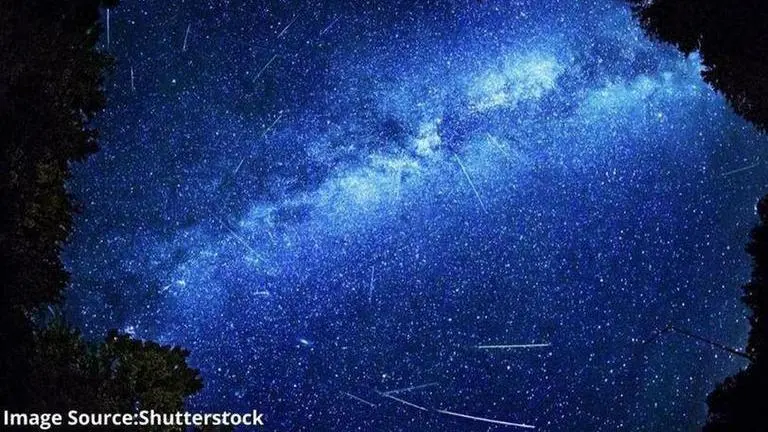
In the month of October, stargazers can look forward to the Draconid Meteor Shower. This stunning celestial spectacle lit up the night sky of October 7 and is expected to stun the night sky on October 8 as well. Meteors are commonly known as ‘shooting stars’ and are one of the most bewitching spectacles stargazers will ever witness. More often than not, this shooting star-Esque looking meteors are mere flashes of light caused by pieces of dust or rock burning up as they speed through the Earth’s atmosphere. Read on to find out, “How to watch the Draconid Meteor Shower tonight?”
Meteor Shower tonight
According to a report on Science Forum, this year, the annual Draconid meteor shower will be visible from October 6 and 10. Their activity will be peaking on October 7 and 8. This glorious and shimmering display is associated with the comet 21P/Giacobini-Zinner. The comet takes about 6.6 years to orbit the Sun. Astronomers have predicted that during the Draconid Meteor Shower, upto five meteors will be visible per hour.
Advertisement
How to watch the Draconid Meteor Shower tonight?
Luckily for the space enthusiasts, unlike with many other meteor showers, one does not need to stay up the whole night and into the early hours to enjoy the spectacle of the Draconid Meteor Shower. Its activities will be taking place in the evening just after the nightfall. While the meteors will be visible at the rate of 5 per hour, occasionally, they will put on an incredible show, with hundreds of meteors showering at the same time.
Advertisement
To look for these filtering meteors, a skywatcher must let their eyes adjust to the dark of the late evening sky and then look directly up. Although the meteors originate in the Draco constellation, they can be seen in places far away from it. The reason being that they travel across the whole sky after originating from the Draco. It is best to seek out a spot which is far away from the relatively brighter city evenings. It is also best to find a spot which has a wide and unobstructed view of the sky.
Meteor showers are generally named after their radiant, meaning the place from where they originate. The Draconid meteor shower, for example, originates from the Draco constellation in the far northern sky. Stargazers need not fret if they miss out on the meteor shower tonight as the Orionid meteor shower is right around the corner. The Orionid shower is set to occur on October 20-21.
Published By : Disha Kandpal
Published On: 8 October 2020 at 13:47 IST