
BSNL Finally Joins the 4G Race with Fully Made-in-India Network: What Changes Now?
With nearly 1 lakh 4G/5G towers commissioned by PM Modi and plans for 100,000 more, BSNL is finally poised to rival Jio and Airtel, bringing much-needed high-speed coverage to remote and rural areas.
- Tech News
- 3 min read

;'%3e%3cpath%20d='m8,15.99c4.41,0,7.99-3.58,7.99-7.99S12.41,0,8,0,0,3.59,0,8s3.58,7.99,7.99,7.99Z'%20style='stroke:%23fff;%20stroke-miterlimit:10;%20stroke-width:.02px;'/%3e%3cpath%20d='m3.08,3.37l3.82,5.11-3.84,4.15h.87l3.37-3.64,2.72,3.64h2.94l-4.04-5.39,3.58-3.87h-.86l-3.1,3.35-2.5-3.35h-2.94Zm1.27.64h1.35l5.97,7.99h-1.35l-5.97-7.99Z'%20style='fill:%23fff;'/%3e%3c/g%3e%3c/svg%3e)


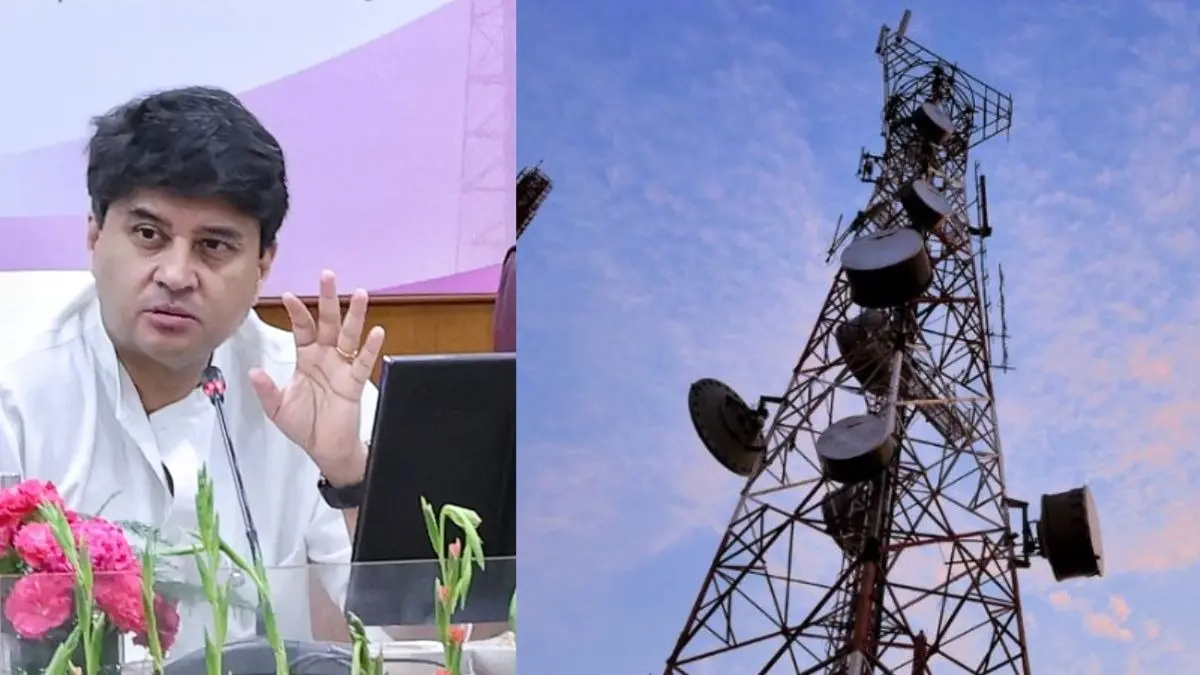
BSNL, India’s state-run telecom company, has been late to the 4G race while private players like Jio, Airtel, and Vodafone rolled out high-speed services years ago. But the company is now making a big comeback. On Friday, Prime Minister Narendra Modi commissioned nearly 1 lakh mobile towers for BSNL’s 4G network from Jharsuguda, Odisha- a move that could change the way millions of its users experience mobile internet.
What’s New This Time?
BSNL’s 4G service is built on a fully indigenous telecom stack. This means that the hardware, software and core technology all come from Indian companies. Organisations like C-DOT, Tejas Networks, and TCS developed this system, making India one of only five countries in the world capable of building a complete telecom network on its own.
This new “stack” is also cloud-based, which makes it cheaper to run and easy to upgrade to 5G, and later even 6G. For BSNL customers, this means better coverage, faster data speeds, and a service that is no longer behind private operators.
It is built on a scalable, homegrown mobile core and is supported by high-speed optical backbones and a fully integrated Radio Access Network (RAN) infrastructure. Operational management is ensured through Software Platforms that enable the rollout of digitisation and network control across over 35 core network data centers, all of which are fortified with Robust Security and Reliability to guarantee a future-proof and resilient national communication system.
Advertisement
Why Is It Important?
For years, BSNL customers have complained about slow 3G networks, patchy coverage, and delays in catching up with rivals. With this launch, BSNL now offers pan-India 4G coverage, bringing it closer to the competition. The network will especially benefit people in remote villages, border areas, and Maoist-affected districts, where private operators often don’t expand due to low profits.
Union Communications Minister Jyotiraditya Scindia confirmed that BSNL has already deployed 98,000 4G/5G towers, with another 100,000 planned.
Advertisement
What Was BSNL Doing Before?
While Jio and Airtel rolled out 4G between 2015–2016, BSNL was stuck with 3G services and patchy broadband, largely because it depended on foreign vendors, faced funding delays, and struggled with losses. Its slow upgrade left many customers frustrated and shifting to private players.
Now, with the indigenous stack in place, BSNL is finally catching up, giving its loyal users, especially in smaller towns and rural areas giving them a reason to stay.
Read More: BSNL Launches Rs 225 Recharge Plan