
Apple threatens to withdraw iMessage and FaceTime in UK over surveillance law changes
Apple warned to pull its 2 crucial services iMessage and FaceTime as the planned changes to UK's surveillance laws have the potential to affect user's privacy.
- Tech News
- 3 min read

;'%3e%3cpath%20d='m8,15.99c4.41,0,7.99-3.58,7.99-7.99S12.41,0,8,0,0,3.59,0,8s3.58,7.99,7.99,7.99Z'%20style='stroke:%23fff;%20stroke-miterlimit:10;%20stroke-width:.02px;'/%3e%3cpath%20d='m3.08,3.37l3.82,5.11-3.84,4.15h.87l3.37-3.64,2.72,3.64h2.94l-4.04-5.39,3.58-3.87h-.86l-3.1,3.35-2.5-3.35h-2.94Zm1.27.64h1.35l5.97,7.99h-1.35l-5.97-7.99Z'%20style='fill:%23fff;'/%3e%3c/g%3e%3c/svg%3e)


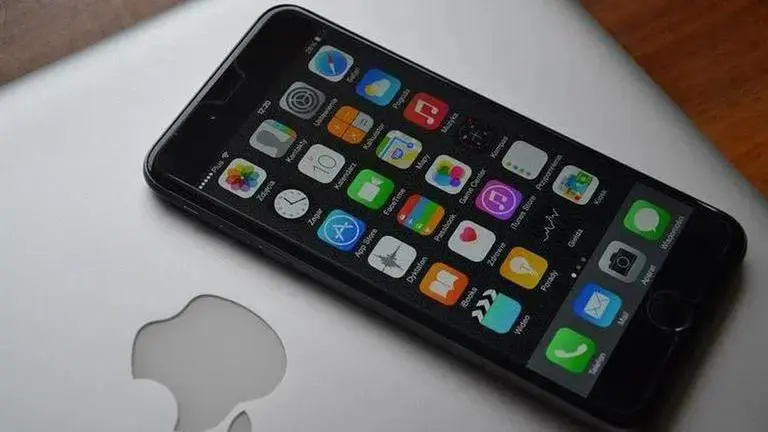
American tech giant Apple warned to pull away its two crucial services iMessage and FaceTime in regard to the British surveillance laws that have the potential to affect iPhone users' privacy. The company said that the proposed changes in the Investigatory Powers Act have the potential to cause a “serious and direct threat” to the user data, Sky News reported. The iPhone makers reasoned that the new laws might force Apple to withdraw important security features, which could ultimately lead to the disruption of the functioning of services such as FaceTime and iMessage in the United Kingdom.
Apple’s main concern lies in the changes proposed to the Investigatory Powers Act 2016 which gives the country’s Home Office, the power to seek access to encrypted contents by serving a technology capability notice (TCN). Last month, the tech giant warned that the online safety bill could endanger message encryption on devices. The concept of End-to-end encryption entails that only the sender and the recipient can see the contents of a message. In the past, encryption has been a hard-fought battleground between governments and tech firms.
Investigatory powers at the core of it all
Apple reasoned that the changes to the 2016 Act would enable the UK government to oversight security changes to its products including regular iOS software updates. The Home Office proposed that it will be mandatory for the tech firms to notify the home secretary of changes to a particular service, The Guardian reported. The government reasoned that this will empower the Home Office to prevent any changes that can have a “negative impact on investigatory powers of the body”. “It is vital that investigatory powers are properly regulated and subject to appropriate safeguards and oversight. Decisions about lawful access to data in the interests of national security or tackling serious crime should be taken by democratically accountable Secretaries of State within a statutory framework approved by Parliament,” the UK government said in a statement.
Why is Apple upset with these changes?
In a statement over the issue, the American tech giant emphasised that these changes would force the company to “secretly install vulnerabilities” in new security technologies or publicly withdraw a critical security feature. According to The Guardian, the company implied that encrypted services like FaceTime and iMessage will be impacted by these laws since Apple never created a “backdoor” into products for a government to use and get involved. “Together, these provisions could be used to force a company like Apple, which would never build a backdoor, to publicly withdraw critical security features from the UK market, depriving UK users of these protections,” Apple said in a statement. “The proposals would result in an impossible choice between complying with a Home Office mandate to secretly install vulnerabilities into new security technologies (which Apple would never do), or to forgo the development of those technologies altogether and sit on the sidelines as threats to users’ data security continue to grow,” it furthered. End-to-end encryption is one of the core security feature Apple’s aforementioned services and the tech firm never created a loophole or the “backdoor” to infringe an encrypted message.