
Google Says Android Users Are Less Likely to Be Targeted by Scams Than iPhone Users
For Android and especially Pixel users, Google’s numbers suggest you may see fewer scam texts and more effective call and message screening by default.
- Tech News
- 4 min read

;'%3e%3cpath%20d='m8,15.99c4.41,0,7.99-3.58,7.99-7.99S12.41,0,8,0,0,3.59,0,8s3.58,7.99,7.99,7.99Z'%20style='stroke:%23fff;%20stroke-miterlimit:10;%20stroke-width:.02px;'/%3e%3cpath%20d='m3.08,3.37l3.82,5.11-3.84,4.15h.87l3.37-3.64,2.72,3.64h2.94l-4.04-5.39,3.58-3.87h-.86l-3.1,3.35-2.5-3.35h-2.94Zm1.27.64h1.35l5.97,7.99h-1.35l-5.97-7.99Z'%20style='fill:%23fff;'/%3e%3c/g%3e%3c/svg%3e)


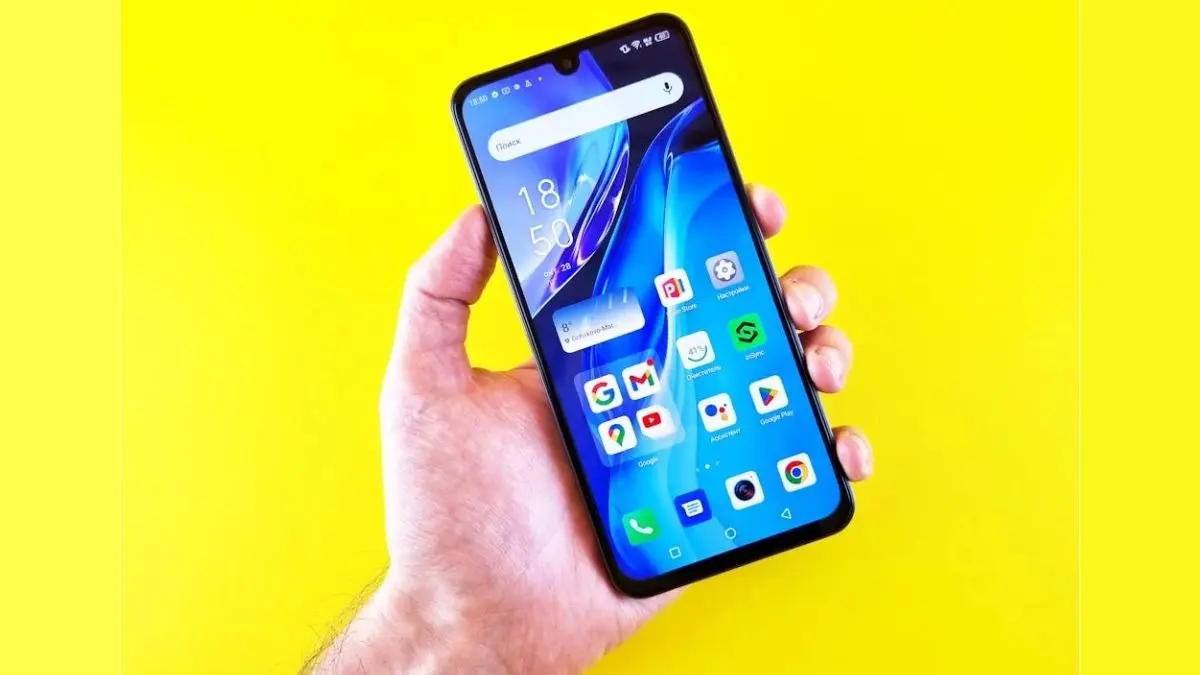
Google says Android users face fewer scam texts and calls than iPhone users, citing a new YouGov survey of 5,000 people across the US, India, and Brazil and internal security telemetry on Android’s AI defences against fraud at scale. According to the findings released at the end of the Cybersecurity Awareness Month, Android users were 58% more likely than iOS users to report receiving zero scam texts in the prior week, with Pixel owners 96% more likely than iPhone users to say they saw none at all, while iPhone users were 65% more likely to report three or more scam texts in a week, a gap Google attributes to its AI‑driven protections in Messages, Phone, and RCS safety checks that block billions of malicious communications monthly.
What the data shows
Google’s security post frames Android as offering the “most effective protection” against mobile scams, highlighting layered AI systems that screen texts, calls, and links before they reach users and claiming over 10 billion suspected scam calls and messages are blocked each month on Android’s network, which it links to fewer user‑reported scam texts versus iOS in the YouGov sample.
Breakout metrics include Android users being 58% more likely than iOS users to avoid scam texts in a given week, Pixel users being 96% more likely than iPhone users to report zero scam texts, and iOS users being 65% more likely to report high exposure, with Google also pointing to independent evaluations that place Android and Pixel ahead on default anti‑fraud features across multiple risk categories.
Why Google says Android is ahead
Google credits on‑device and network‑level AI, spanning Messages spam filters, Phone app call screening, RCS safety checks, and Chrome protections for identifying evolving scam patterns, localising them across languages, and stopping campaigns before they reach inboxes or ring screens, which it says reduces exposure and user burden in day‑to‑day use.
Advertisement
Coverage roundups emphasise that Android’s defences are proactive and broad, with Google citing evaluations from security firms suggesting wider category coverage for scam, phishing, and fraud prevention versus iOS, while noting Pixel’s call screening and default protections as a differentiator even within the Android cohort.
The real picture?
The comparison leans on a Google‑funded survey and Google’s own telemetry, which are informative but not a definitive head‑to‑head of platform security, and even sympathetic summaries note the methodology is self‑reported and commissioned, so results should be read as directional rather than absolute.
Advertisement
iOS retains meaningful security strengths, especially strict App Store review and a tightly sandboxed design that reduces classic malware risk, and platform “safety” varies by threat type, user behaviour, and default settings, which means fewer scam texts do not automatically translate to superiority across all security dimensions.
What it means for iPhone and Android users
For Android and especially Pixel users, Google’s numbers suggest you may see fewer scam texts and more effective call and message screening by default, but vigilance still matters because sophisticated lures can bypass filters and social engineering preys on attention and context rather than just content patterns.
For iPhone users, the takeaway is not that iOS is unsafe but that anti‑spam defaults and filtering approaches differ, so enabling all available filters, reporting spam in Messages, and using carrier and third‑party call screening where permitted can narrow the exposure gap seen in survey data, which reflects experience rather than platform compromise rates.
Google’s claim is grounded in new user‑reported data and AI‑blocking metrics that together indicate Android users, particularly on Pixel, encounter fewer scam texts than iPhone users, likely due to aggressive, layered anti‑fraud tooling across calls, messages, and the browser, though the study’s funding and method warrant a cautious read and do not negate iOS’s own security advantages in other areas. For users on either platform, the practical advice is unchanged: keep filters on, avoid interacting with unsolicited links or OTP requests, and treat any urgent demand for payment or passwords as a red flag, regardless of device brand.