
Pavel Durov Claims Reliance, Meta and WhatsApp May Have Lobbied for Telegram Ban in India
Telegram CEO Pavel Durov says the temporary restrictions on Telegram punished millions of users and suggests Reliance, Meta and WhatsApp may have supported efforts against the messaging platform, a claim industry sources strongly dispute.
- Tech News
- 3 min read

;'%3e%3cpath%20d='m8,15.99c4.41,0,7.99-3.58,7.99-7.99S12.41,0,8,0,0,3.59,0,8s3.58,7.99,7.99,7.99Z'%20style='stroke:%23fff;%20stroke-miterlimit:10;%20stroke-width:.02px;'/%3e%3cpath%20d='m3.08,3.37l3.82,5.11-3.84,4.15h.87l3.37-3.64,2.72,3.64h2.94l-4.04-5.39,3.58-3.87h-.86l-3.1,3.35-2.5-3.35h-2.94Zm1.27.64h1.35l5.97,7.99h-1.35l-5.97-7.99Z'%20style='fill:%23fff;'/%3e%3c/g%3e%3c/svg%3e)


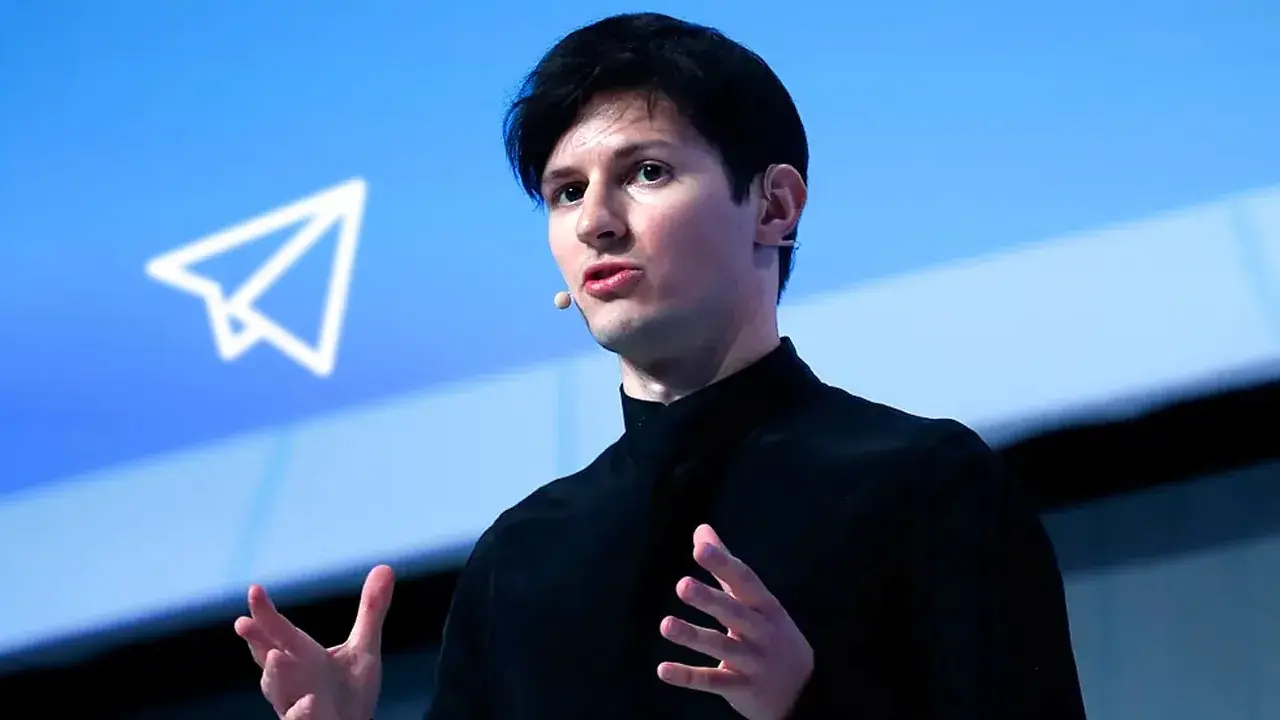
Telegram founder and CEO Pavel Durov has sparked fresh controversy after suggesting that Reliance, Meta and WhatsApp may have played a role in efforts to temporarily restrict Telegram in India.
The remarks came as Telegram faces government action linked to concerns over the circulation of leaked NEET examination material on the platform.
In a series of posts on X, Durov argued that the restrictions unfairly punished Telegram’s users rather than the people responsible for sharing exam papers.
According to him, removing Telegram from app stores and limiting its services did little to stop the spread of leaked content. Instead, he claimed, the activity simply moved to other platforms.
Advertisement
Durov Connects Ban Debate to Business Rivalry
What turned heads was not Durov’s criticism of the ban itself, but his suggestion that competitive interests may also be at play.
The Telegram chief alleged that a Reliance-linked telecom network had interfered with Telegram traffic outside India, including in the UAE. He described the issue as a form of internet route hijacking and said repeated complaints had gone unanswered.
Advertisement
Durov then linked that dispute to Telegram’s challenges in India.
“I wouldn’t be surprised” if Reliance and WhatsApp were involved in lobbying efforts against Telegram, he said, pointing to the intense competition between messaging platforms.
While Durov raised the possibility publicly, he did not provide evidence supporting the allegation.
Industry Sources Reject the Claims
As per a media report, Pavel Durov’s claims quickly drew criticism, with coverage noting that his allegations appeared misleading and may have confused different Reliance group entities. The report highlighted that Meta is only a minority investor in Jio Platforms and does not control its daily operations, while also rejecting any suggestion that WhatsApp or Meta influenced government decisions regarding Telegram. Importantly, no public evidence has surfaced linking Reliance, Meta, or WhatsApp to the restrictions imposed on the platform.
Why Telegram Came Under Scrutiny
The controversy comes against the backdrop of India’s efforts to prevent further controversy around the NEET-UG examination.
Authorities ordered temporary action against Telegram after concerns that channels on the platform were being used to circulate leaked exam material and misinformation ahead of the re-examination.
Officials were also concerned about Telegram’s message-editing feature, arguing that edited posts could be used to create misleading claims about when information was originally published.
The government framed the measures as a step to protect the integrity of a national examination affecting millions of students.
A Bigger Battle Between Messaging Giants
Beyond the immediate dispute, Durov’s comments highlight the growing rivalry among the world’s largest messaging platforms.
India is one of Telegram’s biggest markets and also WhatsApp’s largest user base globally. Any regulatory action affecting one platform inevitably draws attention across the industry.
For Durov, the issue is about more than a temporary restriction. He argues that targeting a platform because some users misuse it risks hurting millions of ordinary people while failing to address the root problem.