
Slim Phones in 2025: The Big Idea That Didn’t Catch On
The appeal of ultra-thin phones was straightforward: a lighter device that feels more comfortable to hold and easier to pocket, but it did not manage to pull the crowd.
- Tech News
- 3 min read

;'%3e%3cpath%20d='m8,15.99c4.41,0,7.99-3.58,7.99-7.99S12.41,0,8,0,0,3.59,0,8s3.58,7.99,7.99,7.99Z'%20style='stroke:%23fff;%20stroke-miterlimit:10;%20stroke-width:.02px;'/%3e%3cpath%20d='m3.08,3.37l3.82,5.11-3.84,4.15h.87l3.37-3.64,2.72,3.64h2.94l-4.04-5.39,3.58-3.87h-.86l-3.1,3.35-2.5-3.35h-2.94Zm1.27.64h1.35l5.97,7.99h-1.35l-5.97-7.99Z'%20style='fill:%23fff;'/%3e%3c/g%3e%3c/svg%3e)


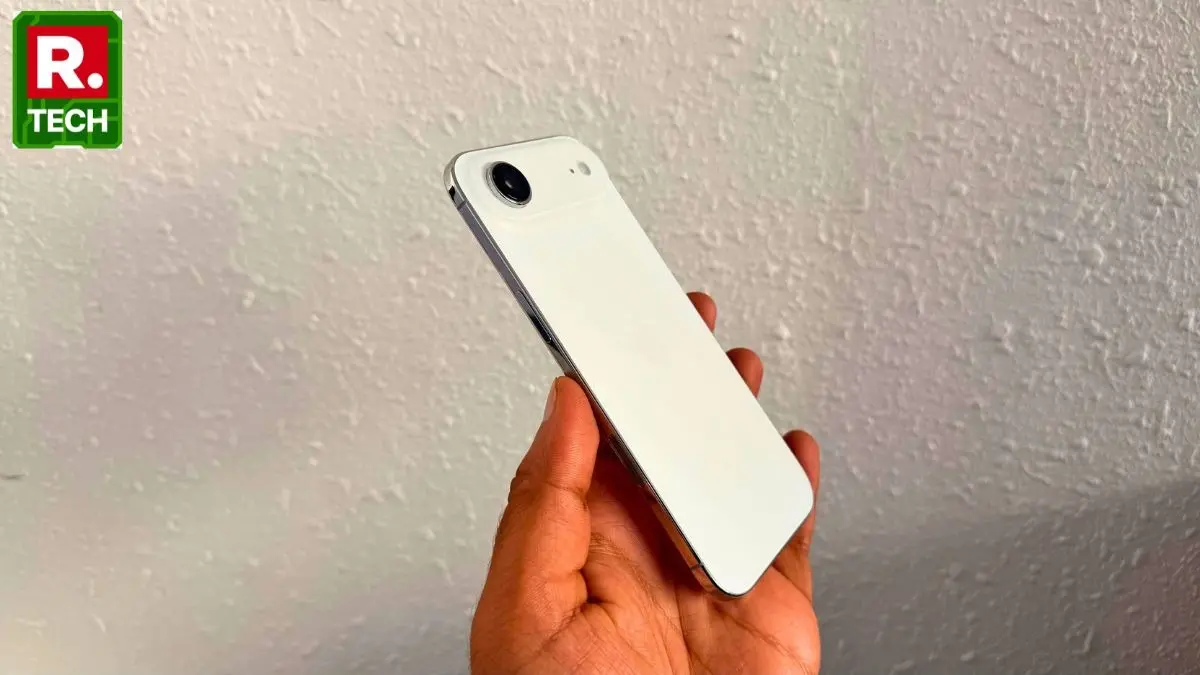
Slim phones were pitched as the next big leap in smartphone design in 2025, but the category struggled to turn buzz into broad demand. Several high-profile efforts ran into the same problem: shaving millimetres often meant compromising on the things buyers still value most: battery life, camera versatility, and peace of mind about durability. 2025 is reaching its end, and so are the ambitious plans of slim phones. We take a look at what went wrong with this high-stakes experiment and how it will enter 2026, if it survives.
The promise: premium design, less bulk
The appeal of ultra-thin phones was straightforward: a lighter device that feels more comfortable to hold, easier to pocket, and more “new” in a market where most upgrades feel incremental. Samsung’s Galaxy S25 Edge, for example, was marketed around slimness and engineering, positioned as a new kind of flagship sitting between the standard Galaxy S and the Ultra. On the other hand, Apple's iPhone Air replaced the Plus model to cater to a user base that looked for top-tier hardware and aesthetics equally in their next smartphone.
This approach also fits a broader industry narrative: that smartphones needed a fresh design story after years of bigger camera bumps and heavier builds. In theory, the “slim flagship” could be that new story.
The reality: slim meant trade-offs
In practice, the push toward ultra-thin designs revived familiar concerns. Industry commentary throughout the year pointed to reduced battery capacity as one of the most obvious compromises, because cutting thickness usually leaves less room for large cells and heat dissipation.
Advertisement
The second issue was durability and structural rigidity. Thin frames can feel premium, but they also raise “bendgate”-style anxieties for buyers who keep phones in pockets or use them without bulky cases. And for performance-focused users, slimmer bodies can constrain cooling solutions, which affects sustained performance and charging heat management.

Weak demand hit the biggest bets
By late 2025, reports suggested the market simply did not respond strongly enough to justify continuing the experiment at scale.
Advertisement
Samsung was widely reported to have dropped plans for a Galaxy S26 Edge, with coverage linking the decision to weak demand for ultra-thin phones and disappointing sales of the Galaxy S25 Edge. On Apple’s side, reports indicated the iPhone Air also faced demand challenges, with coverage pointing to production cuts after the model underperformed outside key markets.
Together, these signals suggested that even the largest brands could not make slimness alone a compelling reason to upgrade. The failure of the Edge and Air has also reportedly compelled Chinese smartphone makers to abandon their plans to launch ultra-thin phones, representing an unusual market shift for the world's biggest smartphone market.
Why buyers did not bite
Three themes kept repeating in 2025:
Battery anxiety beat design curiosity. Users expected all-day endurance as a baseline, and thinner builds often triggered concerns about battery size and longevity.
Camera compromises stood out. Consumers continue to prioritise camera flexibility, and ultra-thin designs can limit sensor size, zoom hardware, or cooling for heavy image processing.
“Slim” wasn’t a strong enough upgrade story. For many, a thinner phone felt like a cosmetic change compared to practical upgrades like better cameras, brighter displays, and longer battery life.
What comes next
The slim-phone push of 2025 doesn’t mean thin designs are dead; it suggests they need a better foundation. If silicon-carbon batteries and improved thermal designs become mainstream, brands may be able to reduce thickness without sacrificing capacity or sustained performance. But 2025 made one thing clear: unless slim phones can match regular flagships on battery and cameras, most buyers will stick with more practical designs, even if it comes at a cost of a thicker body.