
User Says His Orange iPhone 17 Pro Turned Pink. It Wasn’t Apple’s Fault
A user of the Cosmic Orange iPhone 17 Pro has shared images of frames shifting towards a rose-gold hue while the glass back stays true.
- Tech News
- 3 min read

;'%3e%3cpath%20d='m8,15.99c4.41,0,7.99-3.58,7.99-7.99S12.41,0,8,0,0,3.59,0,8s3.58,7.99,7.99,7.99Z'%20style='stroke:%23fff;%20stroke-miterlimit:10;%20stroke-width:.02px;'/%3e%3cpath%20d='m3.08,3.37l3.82,5.11-3.84,4.15h.87l3.37-3.64,2.72,3.64h2.94l-4.04-5.39,3.58-3.87h-.86l-3.1,3.35-2.5-3.35h-2.94Zm1.27.64h1.35l5.97,7.99h-1.35l-5.97-7.99Z'%20style='fill:%23fff;'/%3e%3c/g%3e%3c/svg%3e)


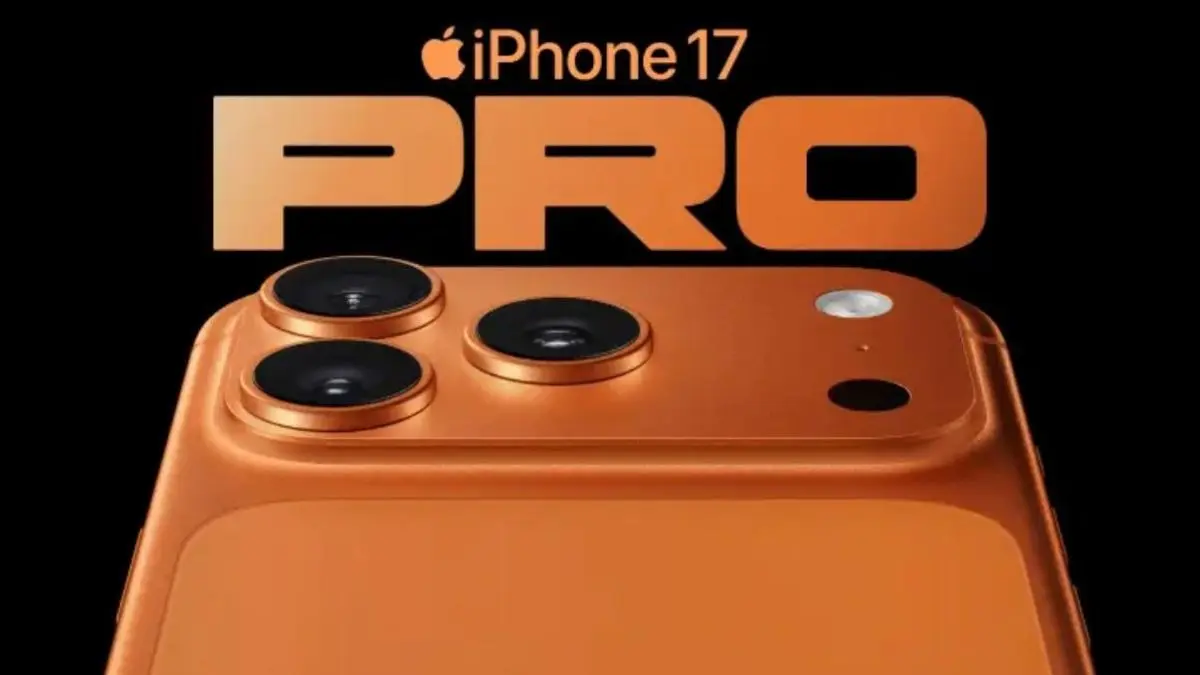
Apart from the redesign, what attracted people the most to the new iPhone 17 Pro is its orange colour. Some love it, others hate it. But one user's experience on how his orange iPhone 17 Pro turned pink made for the perfect viral post on Reddit. However, the evidence points to chemistry, not a catastrophic manufacturing blunder. The user of the Cosmic Orange iPhone 17 Pro has shared images of frames shifting towards a rose-gold hue while the glass back stays true, a pattern consistent with dyed, anodised aluminium reacting to common oxidisers and UV rather than a paint-layer failure.
What users said
The post describes a gradual tint shift around the rim and camera surround, often on exposed edges, while areas covered by a case, mostly the part in the middle, remain closer to the original shade. Several users said that the image was edited using AI or Photoshop. However, AppleInsider reported that this could be a case of using bad chemicals, which Apple strictly advises against.
Why orange can turn pink
The iPhone 17 Pro’s frame uses anodised aluminium, which creates a microscopic porous oxide layer that is then dyed and sealed. Strong oxidising agents, particularly hydrogen peroxide found in some household wipes, salon products, and acne treatments, can compromise that seal or alter the pigment, nudging orange towards pink. Prolonged UV and heat can accelerate these reactions, which also explains why the colour shift is most evident on edges and high-contact zones; the glass back, being inert and not dye-based, is unaffected.
Not an across-the-board fault
The location-specific discolouration and its correlation with exposure make a line-wide defect unlikely. Apple’s long-standing cleaning guidance advises against bleach and peroxide-based products, a catch-all that includes many “deep clean” hacks and some cosmetic items. In short: a vivid anodised dye meets the wrong chemistry, and the hue moves.
Advertisement
What to do if yours is changing colour
- Use device-safe wipes: Stick to 70% isopropyl or 75% ethyl alcohol wipes approved for electronics; avoid hydrogen peroxide and bleach.
- Check personal products: Keep benzoyl peroxide (acne gels), hair dyes, and salon-grade oxidisers away from the frame.
- Clean and dry promptly: If contact occurs, wipe with a slightly damp, lint-free cloth, then dry immediately.
- Shield high-contact areas: A slim case or frame film helps limit residue transfer from bags, pockets, and countertops.
- Document and escalate: Photograph the change in consistent lighting and contact support if discolouration progresses despite careful care.
The materials trade-off
Anodised finishes enable richer colours than bare metal, but dyes housed in a porous oxide layer are inherently more sensitive to chemistry and UV than harder coatings like PVD. The orange-to-pink shift is a known class of behaviour for dyed anodising: spectacular when new, less forgiving of aggressive cleaners and sunlight. Users who prioritise maximum finish durability may prefer less saturated or undyed options.
Advertisement
Practical care checklist
- Lint-free cloths; alcohol-based, device-safe wipes only.
- No peroxide, no bleach, and avoid harsh “antibacterial” cocktails.
- Keep off dashboards and sunny window ledges; heat plus UV speeds colour change.
- Don’t soak; spot-clean and dry.
- Wash your hands after applying skincare or hair products before handling the phone.