
Colossal bio firm vows to revive extinct mammoths by 2027; raises $15 million
CRISPR is a molecular scissor, that allows scientists to modify genes in the most precise, cost-effective, and quickest way possible.
- Science News
- 2 min read

;'%3e%3cpath%20d='m8,15.99c4.41,0,7.99-3.58,7.99-7.99S12.41,0,8,0,0,3.59,0,8s3.58,7.99,7.99,7.99Z'%20style='stroke:%23fff;%20stroke-miterlimit:10;%20stroke-width:.02px;'/%3e%3cpath%20d='m3.08,3.37l3.82,5.11-3.84,4.15h.87l3.37-3.64,2.72,3.64h2.94l-4.04-5.39,3.58-3.87h-.86l-3.1,3.35-2.5-3.35h-2.94Zm1.27.64h1.35l5.97,7.99h-1.35l-5.97-7.99Z'%20style='fill:%23fff;'/%3e%3c/g%3e%3c/svg%3e)


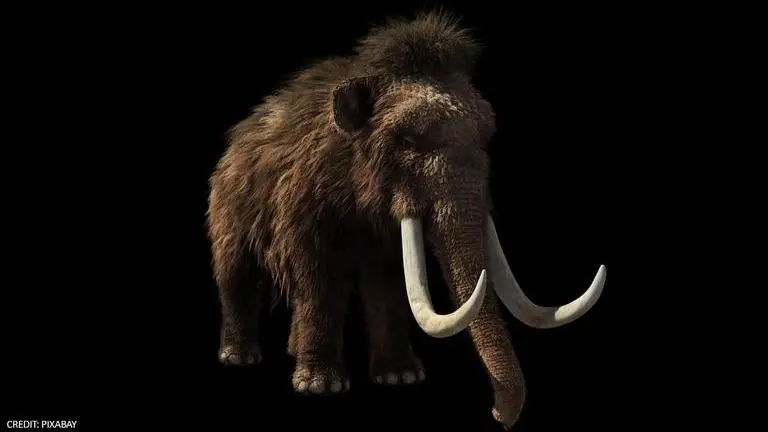
CRISPR technology-based startup Colossal has ventured into the market with wild ambition, to revive the extinct mammoths that once roamed the Tundra region over 10,000 years ago. Co-founded by Harvard Medical School geneticist George Church and entrepreneur Ben Lamm, the company will attempt to bring back the pre-historic animals using CRISPR technology by 2027, said a report by CNET. The company has even raised $15 million in seed funding to kickstart the project.
What is CRISPR technology?
CRISPR is a modern-day gene-editing tool, also described as a pair of molecular scissors, that allows scientists to modify genes. It is considered the most precise, most cost-effective, and quickest way to edit genes and has far-reaching applications in agriculture, drug development, and how we might fight genetic diseases, said CNET's report. While CRISPR might be used to fight HIV infection, combat invasive species and destroy antibiotic-resistant bacteria, its damaging effects are still unknown considering how young the technology is.
Colossal's plan for the species
Media reports suggest that the Texas-based company does not have plans to create the exact replica of the extinct mammoths but to create creatures resembling them. Church and team will, reportedly, produce a hybrid of modern-day Asian elephants and mammoths, with features like small ears and more body fat. Co-founder Lamm said that, apart from restoring the woolly giants, their main aim also includes ensuring successful interbreeding among the species.
Lamm stated that the company eyes were on having their first calf in four to six years, revealed media sources. About this hefty task, Church said that Colossal will have to develop an artificial womb that would shelter the mammoth embryo. He was also reported saying that just surrogating 10 mammoths into an elephant mother's womb won't be enough for this project to be successful.
Advertisement
Church's history with mammoths
A report by Tech Crunch revealed that Church has been attempting to revive the mammoths since 2017. Reportedly, the geneticist and his team had managed to add 45 genes to the genome of an Asian elephant in a recreational attempt, in his lab at Harvard University. Besides, Church has been immersed in genetics since the 1980s and went on to help initiate the Human genome project. The report also suggested that over one million plant and animal species are on the verge of extinction and Colossal's success will ensure genetic rescue and repopulation of the dead creatures.