
Checkout 5 fantastic wearables you didn’t know exist
Smartwatches and electric toothbrushes are now passe - here’s a curation of lesser-known wearable technology for your everyday life
- Tech News
- 5 min read

;'%3e%3cpath%20d='m8,15.99c4.41,0,7.99-3.58,7.99-7.99S12.41,0,8,0,0,3.59,0,8s3.58,7.99,7.99,7.99Z'%20style='stroke:%23fff;%20stroke-miterlimit:10;%20stroke-width:.02px;'/%3e%3cpath%20d='m3.08,3.37l3.82,5.11-3.84,4.15h.87l3.37-3.64,2.72,3.64h2.94l-4.04-5.39,3.58-3.87h-.86l-3.1,3.35-2.5-3.35h-2.94Zm1.27.64h1.35l5.97,7.99h-1.35l-5.97-7.99Z'%20style='fill:%23fff;'/%3e%3c/g%3e%3c/svg%3e)



Wearable technology, or innovation for everyday functions ranging from wireless earbuds to smartwatches has become an integral part of our lives. But there are some lesser-known accessory-technology crossovers - from smart jewellery to wearable lenses - that can transform the way technology integrates into everyday functions for us.
The integration of technology into analog devices like rings, eyeglasses and even bandages is touted to be the future of innovation. What’s more, enterprise giants are now launching phones that turn into smartwatches, business suits that can digitally exchange cards, and patches that can not only monitor, but also infuse medicine automatically and heal wounds!
These smart integrations enhance user experience, replace redundant tasks and also act as utility for not losing devices, or having too many of them.
Some of these innovations are already up for grabs for customers, while others are concepts and prototypes that are a work in progress as of today.
Advertisement
Here’s 5 connected lifestyle devices, or wear-tech you may not know, exist:
1. Smart jewellery

Pexels photo
Advertisement
Jewellery has gone smart - from accessorising outfits, smart jewellery in the form of smart rings, bracelets and true wireless earphones designed like ear drops are the newest trend.
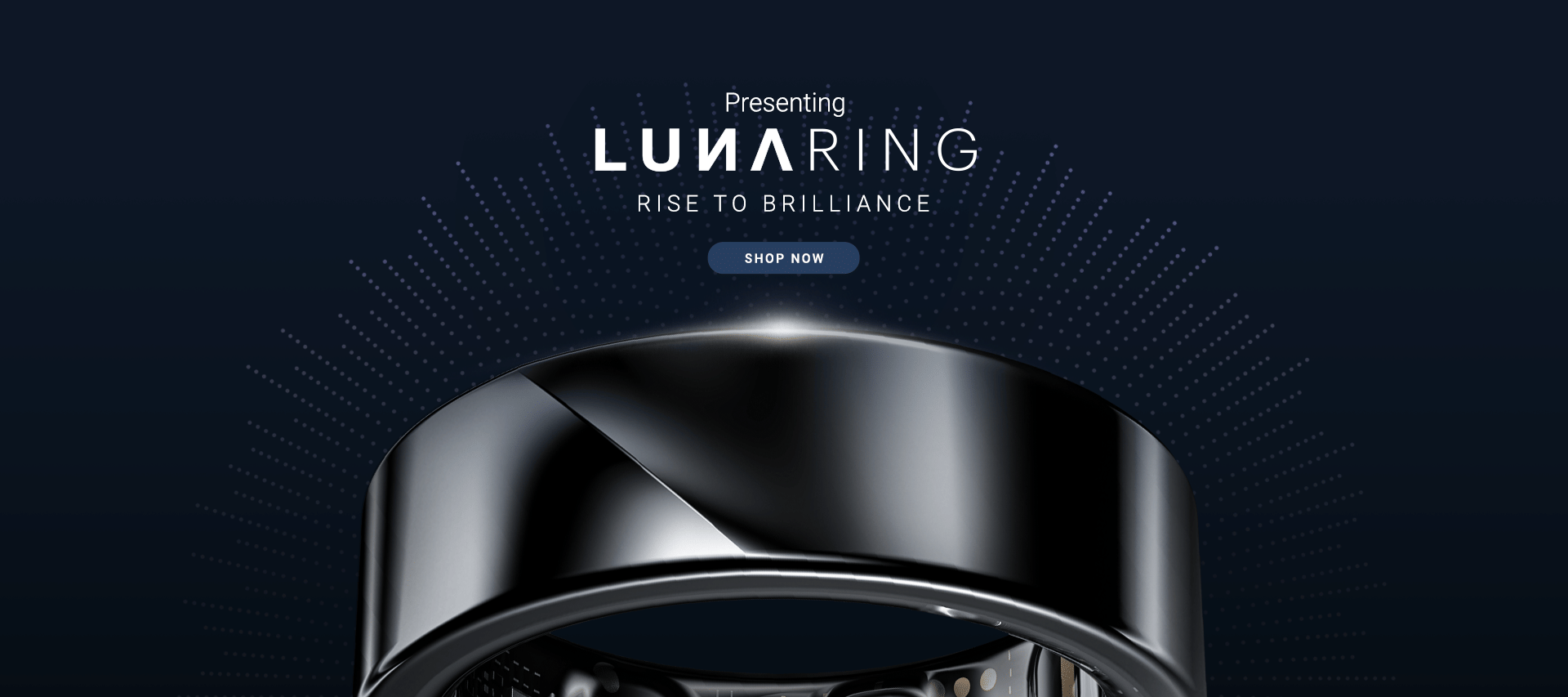
Credit: Noise
Smart rings like Noise’s Luna Ring tracks 70 metrics such as sleep, readiness, and activity, with sensors for health tracking. The ring has 98 per cent accuracy for step count and 95 per cent for heart rate variation, and is available in different colours and ring sizes.
Pinterest photo
Smart bracelets are an extension of smartwatches, but more sleek and designed to monitor body statistics like energy consumption and daily patterns. With a non-sporty finishing, these smart bracelets are conceptualised without a screen, and can have multiple beads with sensors for different functionalities.
Credit: Motorola
Also, some phones like the Motorola foldable phone has been conceptualised as a smartwatch slap-on, which wraps around the wrist. The adaptive display phone can bend to a tent screen or a self-standing device as well.
Amazon.in photo
There are two types of smart earrings - one that can act as holders for true wireless earphones (TWS) so one need not place and remove them in a case, also acting as a hoop for avoiding them to fall off or for a respite after long hours of listening.
Pexels photo
Another innovation is audio earrings, which feature an integrated headset and transfer music through earlobes, so one need not place the buds in ears for listening. By producing sound on the earlobe, the clip-on earrings which don’t require piercings have technology inside a pearl or other jewellery accessorisation to create micro-chambers needed for producing sound.
2. Smart Clothes
From interactive dresses that change patterns owing to artificial intelligence (AI) to shoes that can order pizza, technology integrated into clothing through electronic textiles and enabling electronic components such as batteries, lights, sensors, and microcontrollers, is the future of clothing.

Pexels photo
Notably, Samsung’s smart business suit exchanges digital business cards, unlocks phones, and has the ability to interact with other devices.
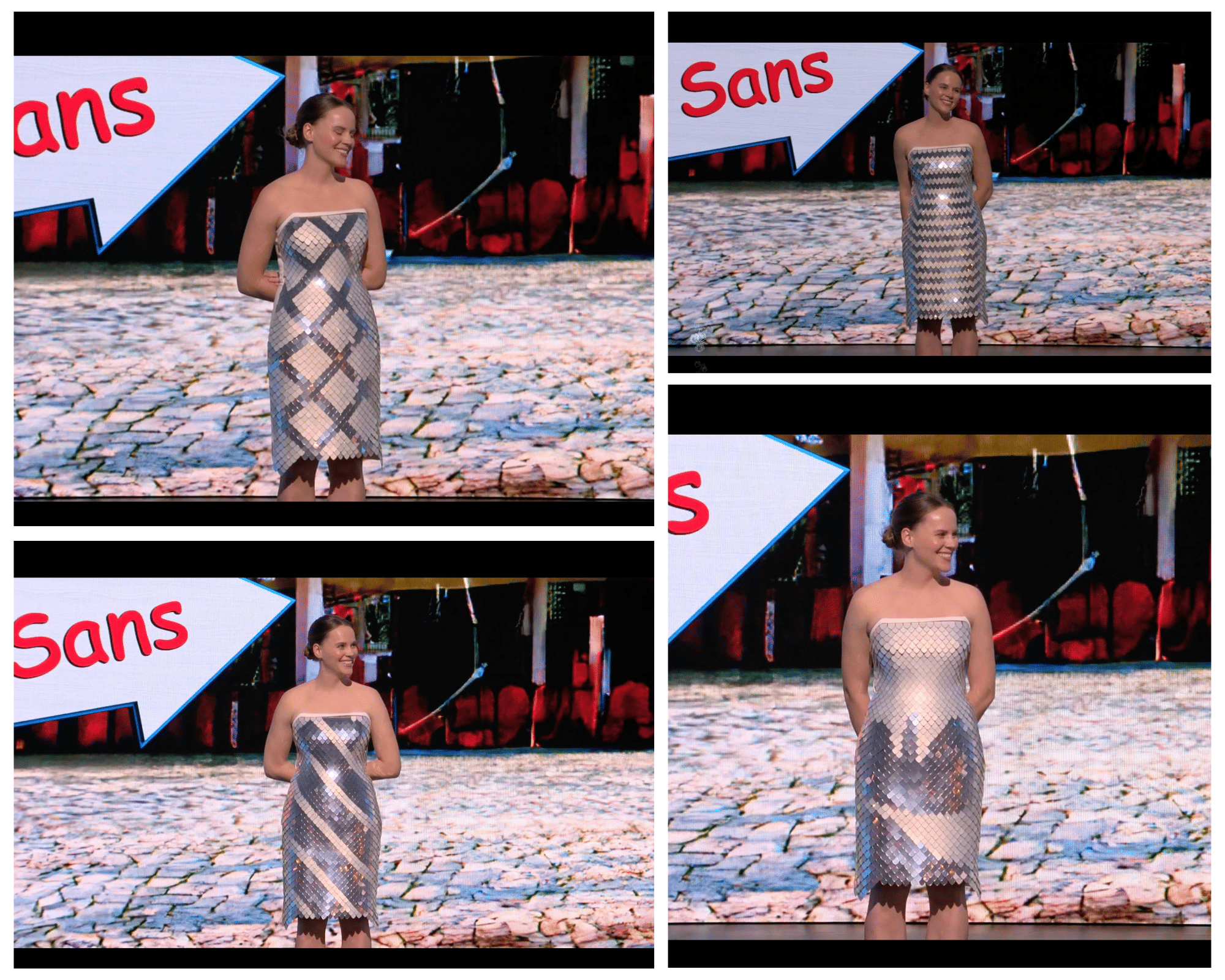
Credit: Adobe
Adobe launched an interactive smart dress that could change colours and also display motion in patterns at their annual conference in October.
Other clothing innovation helps in better sleep, running activity tracking and keeping warm, or rewards customers for the time spent wearing them when connected with an app.
Brands experimenting with smart clothing include Under Armour, Levi's, Tommy Hilfiger, Samsung, Ralph Lauren, and Google.
3. Wearable lenses and web specs
Until now, we remember people or acquaint ourselves with them through smartphones or business cards. But the way technology is evolving, ubiquitous technology will soon scan people and give intelligence to people without smartphone scanning or searches.
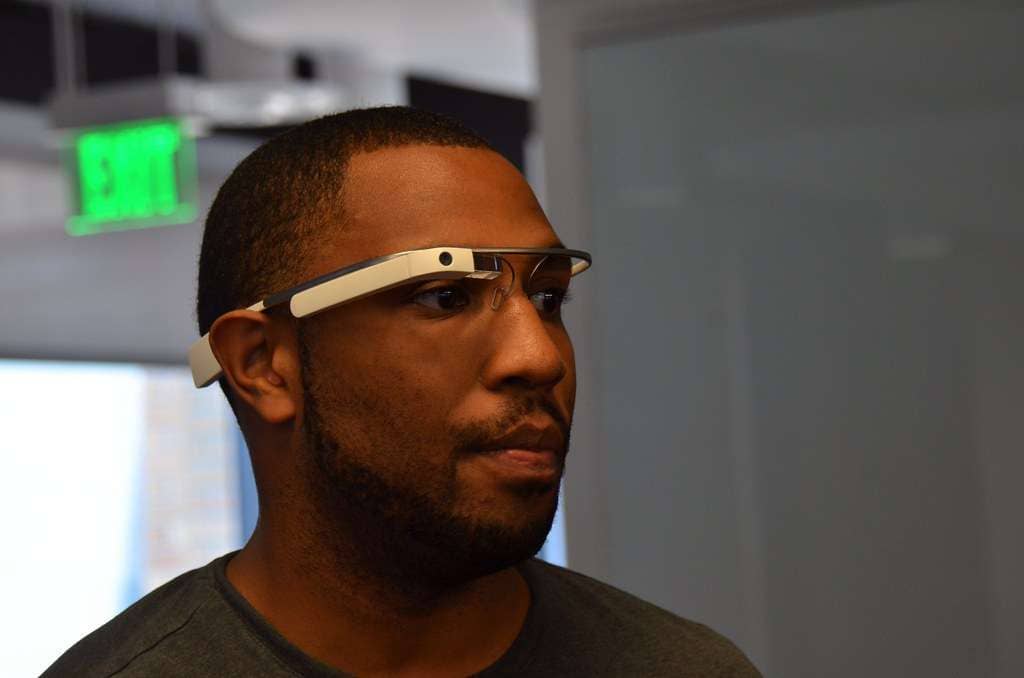
Pexels photo
Google first forayed into this technology - Google Glass - in 2013 but discontinued the production of the prototype in 2015, and sales in 2023. The device could shoot videos and enable search results, but raised security concerns amid divided visual attention focus.
A step ahead from the smart glasses concept is of smart lenses, which aims to solve vision defect and also replace smartphones by integrating technical features, but requires more work before launch.

Pexels photo
Virtual reality glasses, like the Oculus, are available in the market and create imaginative hyper-real environments. Extensions of augmented and virtual reality also helps the visually-impaired.
4. Smart Patches
Bandages and patches have gone smart too - embedded with health technology, these devices are crafted to monitor healing, administer timely medicinal doses to wounds and use electrical signals for tissue growth.
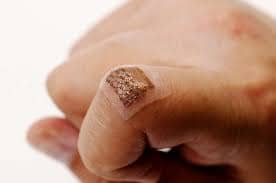
Representative image
Created by a research team at The California Institute of Technology, the wireless and stretchable patch has a reusable circuit and disposable patch which monitors wounds and uses combined therapy to heal diabetic ulcers, burns, and non-healing surgical wounds.
5. Smart Implantables
A step ahead from smart patches, smart implantables go deep within tissues to assess physiological activity in patients in real-time.

Pexels photo
Touted to be the future of medical streams like orthopaedics, smart implants for soft-tissue balancing and implant positioning and smart knee implants that measure range of motion, step count, walking speed, and other gait metrics, integrated sensors for disease prevention, diagnosis, control, and treatment.