
Arab-Led Parties Back Gadi Eisenkot For Israel PM, Giving Him Support Of 67 Lawmakers Against Netanyahu
Arab-led parties in Israel have backed former military chief Gadi Eisenkot to form the next government, taking his potential support to 67 lawmakers in the 120-member Knesset. The move challenges Benjamin Netanyahu as President Isaac Herzog begins consultations on government formatio
- World News
- 3 min read


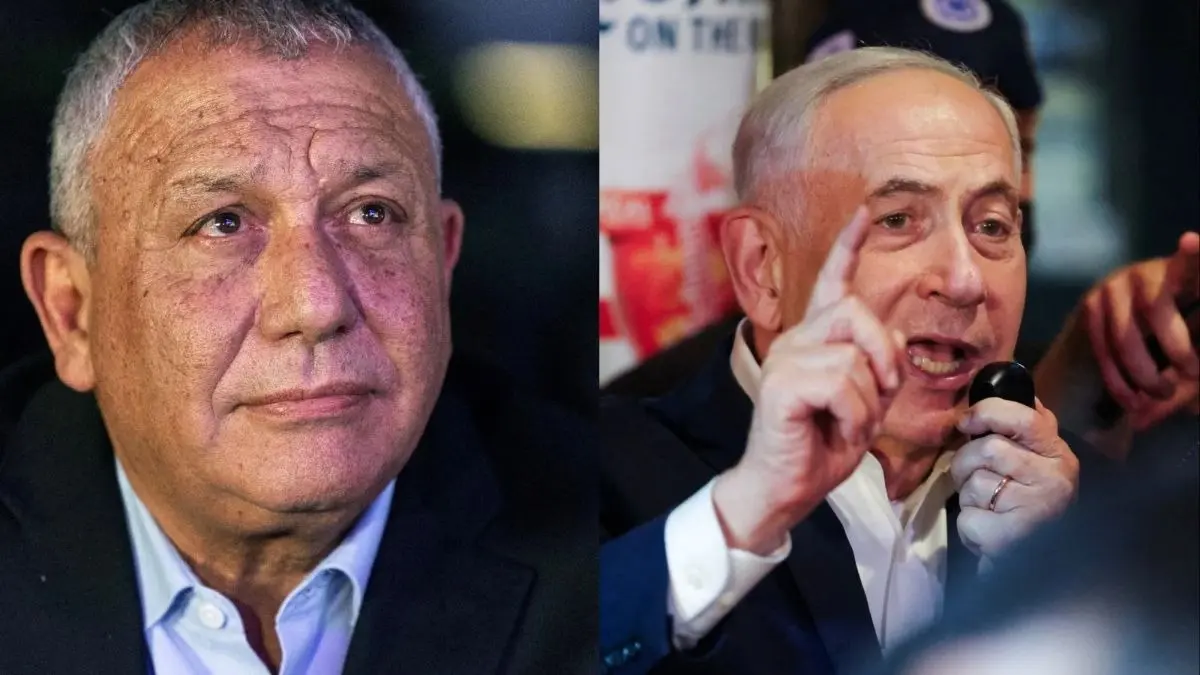
New Delhi: Arab-led political parties in Israel have agreed to recommend former military chief Gadi Eisenkot to form the next government, potentially reshaping the country's political landscape and creating a challenge for Prime Minister Benjamin Netanyahu.
The development marks a significant political shift, with Arab-led parties emerging as potential kingmakers in efforts to form a government and replace Netanyahu. Their backing of Eisenkot could influence the next stage of coalition negotiations and the political calculations of rival parties.
The Joint List, an alliance of three Arab-led factions, announced on Thursday that it would recommend Eisenkot to President Isaac Herzog during consultations on government formation. The alliance said its decision was aimed at preventing Netanyahu and his government from returning to power.
The endorsement came a day after another Arab-led party, Mansour Abbas-led Ra'am, also backed Eisenkot for the prime minister's post. Ra'am has eight lawmakers in the Knesset, while the Joint List holds 11 seats. Together, the two alliances secured a record 19 seats in the October 27 parliamentary elections, giving them considerable influence over the government formation process.
Advertisement
Eisenkot Gets Support Of 67 Lawmakers
With the Joint List's backing, Eisenkot is expected to receive recommendations from 67 members of the 120-member Knesset, crossing the 61-seat threshold required for a parliamentary majority.
The opposition bloc led by Eisenkot secured 48 seats in the election, while Netanyahu's right-wing and religious coalition won 53 seats. Netanyahu's Likud emerged as the single largest party with 27 seats.
Advertisement
However, Netanyahu's position weakened further after United Torah Judaism (UTJ), a long-time ally of his government, declined to recommend either candidate during its consultations with Herzog. The party has seven seats in the Knesset.
Following UTJ's decision, the number of lawmakers recommending Netanyahu fell to 46, while Eisenkot's potential support rose to 67.
The Arab-led parties' backing, however, does not automatically mean they will become part of an Eisenkot-led government. The Joint List has indicated its willingness to support an opposition government from outside the governing coalition, while Ra'am has expressed openness to joining it.
Coalition Challenges Remain For Eisenkot
Despite securing recommendations from a majority of lawmakers, Eisenkot faces challenges in assembling a functioning government. He and Netanyahu have both previously ruled out forming a government with the two Arab-led factions, although their support could prove crucial in the current political deadlock.
Some of Eisenkot's potential coalition partners have also expressed reservations about relying on Arab-led parties for parliamentary support.
The Joint List's decision marks a departure from its traditional approach to Israeli government formation. Senior lawmaker Ahmad Tibi has indicated that the alliance is willing to cooperate with Jewish-led opposition parties to end Netanyahu's long tenure.
The alliance's support could allow an anti-Netanyahu government to secure the numbers it needs without necessarily including the Joint List in the Cabinet.
What Happens Next?
The next step rests with President Isaac Herzog, who is holding consultations with political parties to determine which candidate has the best chance of forming a government.
Herzog is expected to complete the consultations before deciding whom to nominate. He is not legally required to appoint the candidate who receives the highest number of recommendations and must assess who can successfully assemble a governing coalition.
Under Israeli law, the candidate chosen by the President will have 28 days to form a government. An extension of up to 14 additional days can also be granted.
If the candidate fails to form a government within the stipulated period, another lawmaker could be given an opportunity. Continued failure to establish a coalition could eventually lead to the dissolution of parliament and fresh elections.
For now, Netanyahu remains Prime Minister in a caretaker government as Israel navigates the post-election political deadlock.