
China Begins Construction of $167 Billion Mega-Dam on Brahmaputra River In Tibet; How It Could Impact India
While China claims the dam won’t harm downstream nations, India has urged caution, and environmentalists warn of risks to the sensitive Tibetan ecosystem.
- World News
- 2 min read

;'%3e%3cpath%20d='m8,15.99c4.41,0,7.99-3.58,7.99-7.99S12.41,0,8,0,0,3.59,0,8s3.58,7.99,7.99,7.99Z'%20style='stroke:%23fff;%20stroke-miterlimit:10;%20stroke-width:.02px;'/%3e%3cpath%20d='m3.08,3.37l3.82,5.11-3.84,4.15h.87l3.37-3.64,2.72,3.64h2.94l-4.04-5.39,3.58-3.87h-.86l-3.1,3.35-2.5-3.35h-2.94Zm1.27.64h1.35l5.97,7.99h-1.35l-5.97-7.99Z'%20style='fill:%23fff;'/%3e%3c/g%3e%3c/svg%3e)


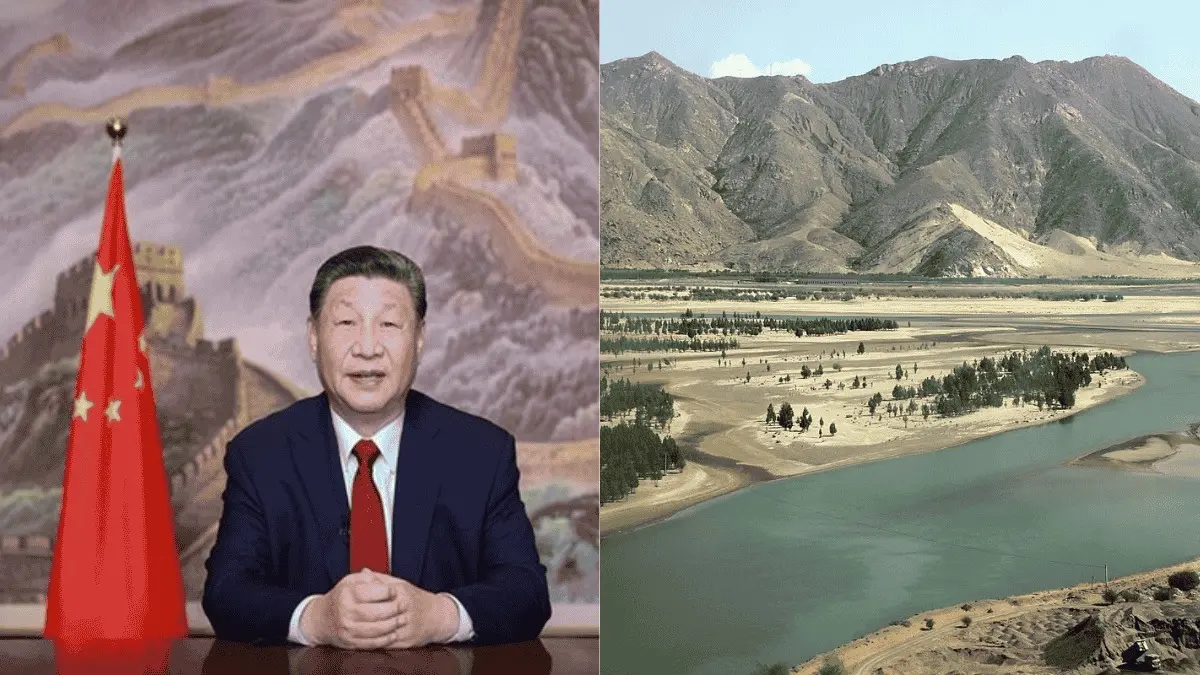
Nyingchi: China begins construction of a massive $167 billion hydropower project on the Brahmaputra River in southeastern Tibet, triggering concern in downstream nations, especially India.
The project, located in Nyingchi near the Indian border, was inaugurated on Saturday in the presence of Chinese Premier Li Qiang, as reported by the local media.

It involves the development of five large hydropower stations and is expected to surpass the energy output of the Three Gorges Dam, currently the world’s largest.
Approved by the Chinese government in December, the dam is being positioned as a key pillar in China’s broader push for carbon neutrality and economic development in Tibet. According to state-run media agency Xinhua, the electricity generated will largely be transmitted to other provinces, while also addressing local energy needs within Tibet.
Advertisement
How It Could Impact India
The scale and location of the project on the Yarlung Tsangpo (as the Brahmaputra is known in Tibet) has alarmed Indian authorities. Experts have raised red flags over the possible impact on water flow, sediment levels, and ecological balance in northeastern India and Bangladesh.
India's Ministry of External Affairs reiterated its position earlier this year, urging Beijing to ensure the rights and interests of downstream nations are safeguarded.
Advertisement
Responding to international concerns, China has claimed the project underwent "rigorous scientific evaluation" and will not negatively affect the environment or water availability in downstream areas. The Chinese foreign ministry has even argued that the dam could help mitigate flood risks and contribute to climate resilience in the region.
Still, Indian officials remain cautious. The issue also featured in strategic talks between New Delhi and visiting US NSA Jake Sullivan, indicating its significance in regional diplomacy.
Environmental groups, meanwhile, have voiced strong opposition, pointing out the irreversible damage such mega infrastructure could cause to the fragile Tibetan ecosystem.
With work now underway, all eyes will be on how this project evolves and how it reshapes geopolitical dynamics and ecological balance in South Asia.