
China's fishing fleet banned from operating in parts of Atlantic and Pacific oceans
After facing global criticism, China has banned its fishing fleet from catching squids in parts of the Atlantic and Pacific oceans for three months.
- World News
- 2 min read

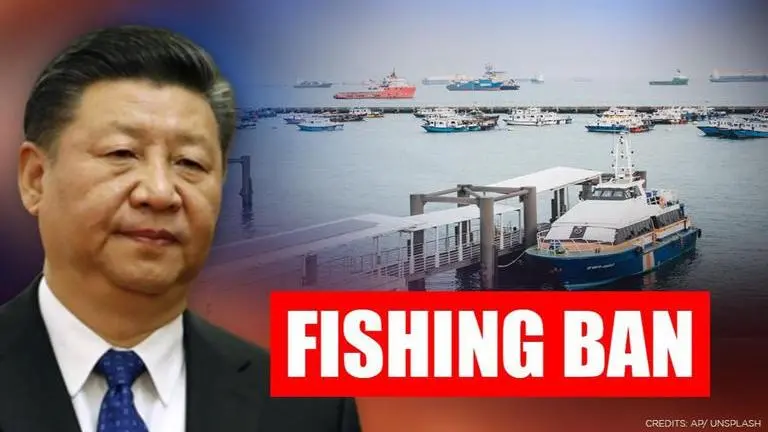
After facing global criticism, China has banned its fishing fleet from catching squids in parts of the Atlantic and Pacific oceans for three months to help populations recover.
The move comes as several environmental groups and nations accused the Chinese fishing fleet, which is the world’s biggest, of threatening to wipe out some fish populations. According to international media reports, the ban is applicable to all Chinese fishing boats effective from July.
Liu Yadan, the deputy secretary of the China Agricultural Association for International Exchange, is reported to have said that ‘the first fishing ban in international waters’ shows that China is willingly and proactively collaborating with relevant coastal countries and international organisations in setting up recommendations and measures to protect the marine resources. The recent moratorium bans the Chinese fleets from operating in the designated areas, which are spawning grounds for squid.
Advertisement
Recently, Ecuador also registered a complaint about hundreds of vessels that converged around marine sanctuaries off the Galapagos Islands. The country said that it had informed China’s authorities that Ecuador would defend its maritime rights. Chinese vessels have been in confrontations near Africa and the Korean Peninsula as well.
Advertisement
Pompeo criticised Chinese fishing fleets
Earlier this week, while noting the Galapagos incident, US Secretary of State Mike Pompeo also criticised Chinese fishing fleets for violating sovereign rights of coastal states and damaging ecosystems.
Pompeo is reported to have pointed out the ‘unfortunate’ record of illegal, unreported and unregulated fishing, rule-breaking and wilful environmental degradation. He said that it is ‘more important than ever’ that the international community stands together for the rule of law and insists on better environmental stewardship from Beijing.
Meanwhile, as per reports, China has nearly 200 vessels operating in the South Atlantic region, near Argentina. The Chinese agricultural ministry reportedly informed that all the Chinese vessels have now left the area where the ban has been imposed.
While the country has had annual fishing bans in its surrounding waters and claimed territories in the South China Sea, this was the first time a ban was imposed on Chinese fleets in international water.