
Earthquake of Magnitude 6.4 Strikes Coral Sea
The Coral Sea lies in the southwestern Pacific Ocean, a region influenced by complex tectonic activity. The broader Pacific region is particularly prone to earthquakes due to the movement and interaction of tectonic plates along the Pacific Ring of Fire.
- World News
- 2 min read


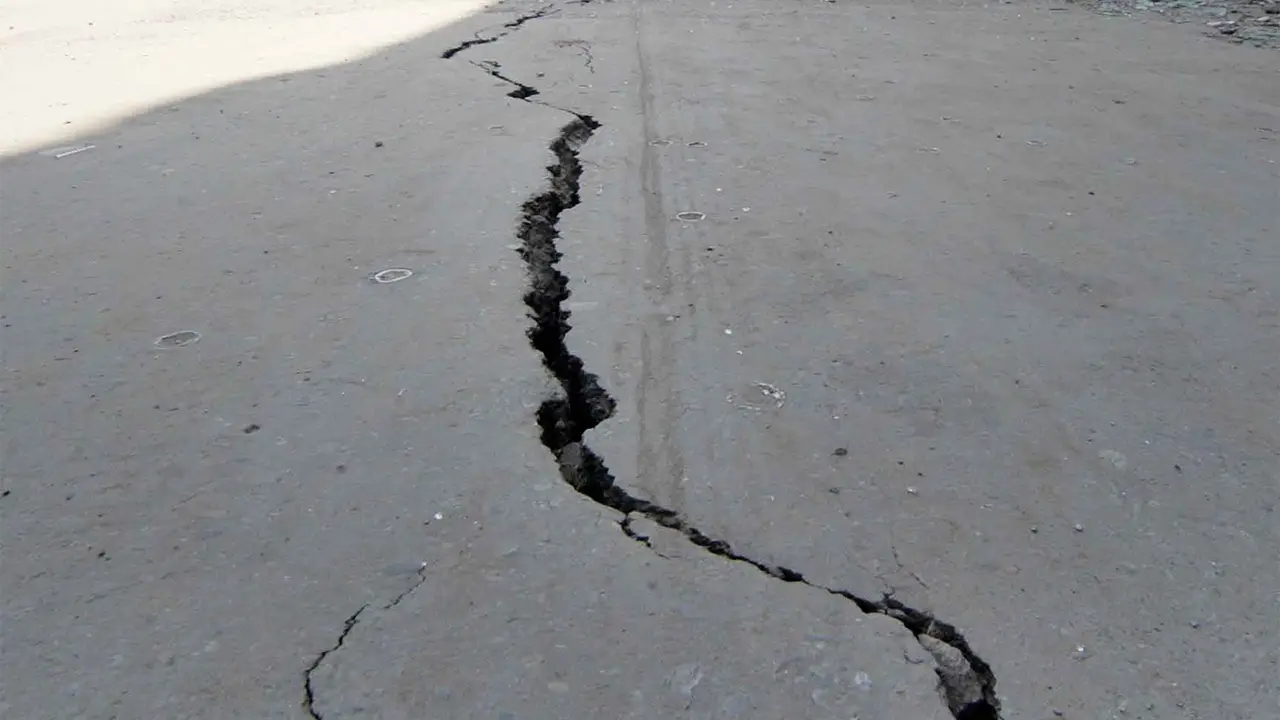
Port Vila: An earthquake of magnitude 6.4 struck the Coral Sea on Tuesday morning, according to the National Centre for Seismology (NCS). The earthquake occurred at a depth of 23 kilometres, with no immediate reports of casualties or major structural damage. In a post on X, the NCS, “EQ of M: 6.4, On: 20/10/2026 09:50:40 IST, Lat: 13.976 S, Long: 165.554 E, Depth: 23 Km, Location: Coral Sea.”
No immediate reports of casualties or significant structural damage have been received following the earthquake. Earthquakes occur when accumulated stress along faults in the Earth's crust is suddenly released, generating seismic waves that travel through the ground. The extent of their impact depends on several factors, including magnitude, depth, distance from populated areas and the vulnerability of buildings.
Shallow earthquakes can be more damaging than deeper ones because seismic waves travel a shorter distance to reach the Earth's surface, potentially producing stronger ground shaking in affected areas. However, the actual damage also depends on local geological conditions and the surrounding infrastructure.
The Coral Sea lies in the southwestern Pacific Ocean, a region influenced by complex tectonic activity. The broader Pacific region is particularly prone to earthquakes due to the movement and interaction of tectonic plates along the Pacific Ring of Fire. The region has experienced seismic activity associated with plate boundaries, where the movement of the Earth's crust can trigger earthquakes of varying magnitudes and depths.
Advertisement
Seismological agencies monitor such events to determine their magnitude, depth and location and to assess potential risks to nearby areas.