
European Union Sanctions Nayara Energy Over Russian Oil Link—Should India Be Worried?
The European Union has introduced a new set of sanctions against Russia in response to its ongoing war in Ukraine. These measures include targeting Russia’s oil revenue, banking sector, and logistics networks — with direct implications for India.
- World News
- 4 min read

;'%3e%3cpath%20d='m8,15.99c4.41,0,7.99-3.58,7.99-7.99S12.41,0,8,0,0,3.59,0,8s3.58,7.99,7.99,7.99Z'%20style='stroke:%23fff;%20stroke-miterlimit:10;%20stroke-width:.02px;'/%3e%3cpath%20d='m3.08,3.37l3.82,5.11-3.84,4.15h.87l3.37-3.64,2.72,3.64h2.94l-4.04-5.39,3.58-3.87h-.86l-3.1,3.35-2.5-3.35h-2.94Zm1.27.64h1.35l5.97,7.99h-1.35l-5.97-7.99Z'%20style='fill:%23fff;'/%3e%3c/g%3e%3c/svg%3e)


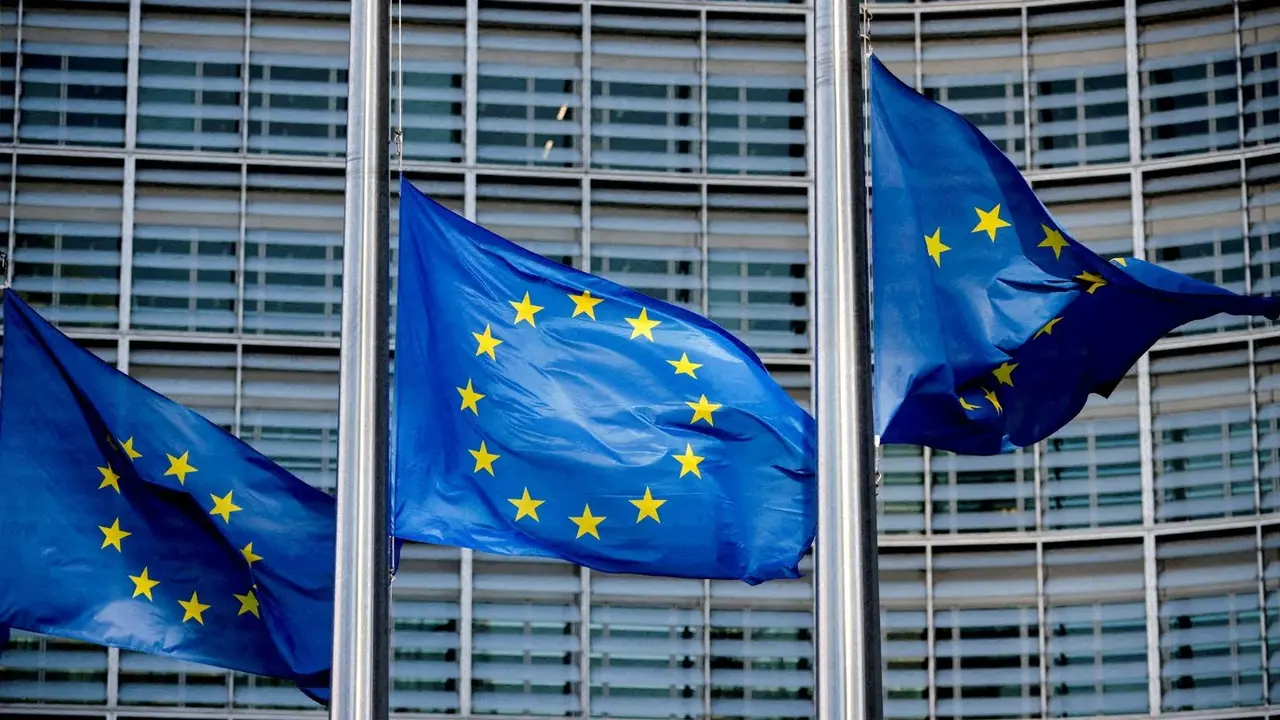
The European Union has introduced a new set of sanctions against Russia in response to its ongoing war in Ukraine. These measures include targeting Russia’s oil revenue, banking sector, and logistics networks, with direct implications for India, according to Bloomberg reports.
One of the most significant steps in this round of sanctions is the EU’s decision to impose restrictions on Nayara Energy, the Indian refinery partly owned by Russia’s Rosneft. The refinery, located in Vadinar, Gujarat, has a capacity of 20 million tonnes per year and operates over 6,750 petrol pumps.
Rosneft owns a 49.13% stake in Nayara through an investment group called Kesani Enterprises, a consortium owned by Russia’s United Capital Partners (UCP) and Mareterra Group Holding.
Announcing the decision, EU foreign policy chief Kaja Kallas posted on X, “For the first time, we're designating a flag registry and the biggest Rosneft refinery in India. Our sanctions also hit those indoctrinating Ukrainian children. We will keep raising the costs, so stopping the aggression becomes the only path forward for Moscow.”
Advertisement
Nayara Energy Sanctioned, Fuel Exports to EU Blocked
This move means Nayara Energy will no longer be allowed to export refined fuels such as petrol and diesel to European countries, potentially disrupting trade links that see Indian refiners re-export Russian crude as fuel to the EU.
At the same time, the EU lowered the oil price cap on Russian crude, which had previously been set at $60 per barrel. Though the new cap hasn’t been officially announced, reports suggest it could fall to between $45 and $50, with periodic reviews every six months.
Advertisement
The price cap mechanism restricts Western insurance and shipping services to Russian oil shipments sold above the capped price, although the effectiveness of this system has been limited due to Russia’s use of a shadow fleet.
India’s Heavy Reliance on Russian Oil
Russia remains India’s largest crude oil supplier, accounting for about 35–40% of the country’s total imports. Indian refiners such as Reliance Industries and Nayara Energy have been significant buyers. While the EU’s lowered cap could reduce global prices and potentially benefit India, recent warnings from global leaders have added a layer of uncertainty.
US President Donald Trump this week warned that countries continuing to buy Russian oil could face secondary sanctions if Russia fails to negotiate peace with Ukraine within 50 days. NATO Secretary General Mark Rutte also cautioned that countries like India could be “hit very hard” by further sanctions if they maintain close trade ties with Moscow.
Should India Be Worried?
Responding to these developments, Oil Minister Hardeep Singh Puri said that India is confident it can meet its oil needs from alternative sources should Russian supplies be impacted.
“I’m not worried at all. If something happens, we’ll deal with it,” Puri said at an industry event in New Delhi.
He added that India has significantly diversified its supply base, moving from 27 to around 40 source countries, including new suppliers like Guyana, and stronger flows from existing partners like Brazil and Canada. Additionally, India is boosting domestic exploration and production activities.
The Foreign Ministry also addressed the issue, stating that energy security remains an overriding priority, guided by what’s available in the market and “prevailing global circumstances.” Spokesperson Randhir Jaiswal added, “We would particularly caution against any double standards on the matter.”
Meanwhile, Indian Oil Corporation (IOC) Chairman A.S. Sahney noted that in case of any disruption in Russian supplies, the company would return to its pre-Ukraine import model, when Russia accounted for less than 2% of India’s crude purchases.
Broader EU Crackdown on Russian Oil Network
The EU’s move also included sanctions on over 400 ships in Russia’s so-called “shadow fleet,” various trading firms, and additional entities across China and other regions that are believed to be helping Moscow bypass restrictions.
The EU further confirmed action against Russia’s Nord Stream pipelines and imposed new financial constraints on Russian banks.