
Europe's energy spending bill to protect households from energy crisis climbs to €800 bln
A Brussels-based policy think tank revealed that Europe’s energy spending bills to protect households from soaring energy crisis have climbed to €800 Billion
- World News
- 2 min read

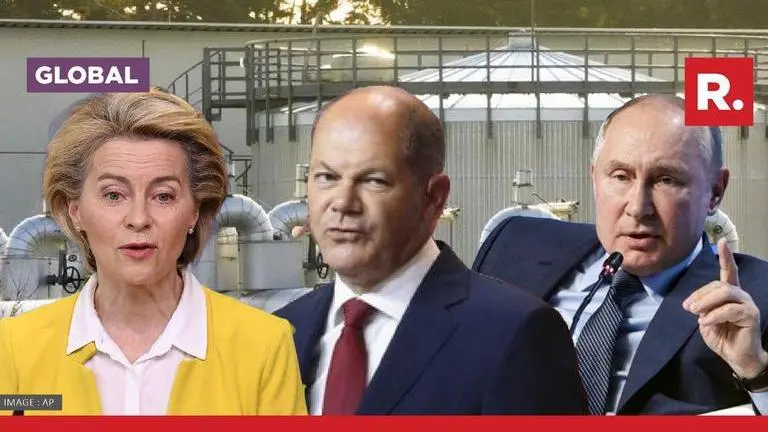
A Brussels-based policy think tank revealed that European countries’ energy spending bills to protect households and companies from soaring energy crisis have climbed to a whopping 800 billion euros. According to Sputnik, the policy research think tank named Bruegel said that the European countries will have to fork out nearly 800 billion euros to provide some relief to the Europeans dealing with the surging energy prices. The continent has been dealing with a major energy crisis after imposing sanctions on Russia following the catastrophic Russia-Ukraine war.
On Monday, the think tank revealed that the spending bill now surpassed the European Union’s 750-billion-euro spending on the COVID-19 recovery fund back in 2020. Before the war broke out, Russia was one of the major suppliers of Natural gas and crude oil to the continent. However, the Russian export to the continent faced a steep decline due to the sanctions imposed by the Ukrainian allies. The think tank revealed that a major chunk was allocated to measures to regulate retail power prices, slash energy taxes and subsidize energy bills. The researchers also revealed that Germany became the biggest spender in the whole ordeal with approximately 270 billion euros relegated to the aid packages.
The big spenders
While Germany dominated the list with a sum that eclipsed all the countries, nations like Britain, Italy and France were the next highest in the list. However, each managed to spend less than 150 billion euros. The spending update from the think tank came in the midst of news that the EU is contemplating loosening state aid rules to further green technology projects. However, the major fuel crunch in the continent was caused after the EU adopted a ninth package of sanctions against Russia. The sanctions were based on the G7 decision to set a price cap on Russian oil at $60 per barrel. The western bloc stated that the cap has to be maintained at 5% below the International Energy Agency benchmark. However, Russia refused to accept the price caps and stated that oil can be sold to countries at proper market rates.