
Explainer: Here's why South Korea's new generation will be more thankful than past ones
The monumental change made by the South Korean Parliament on Dec 8 is all set to make South Koreans younger. The country is known for following 3 age systems.
- World News
- 4 min read

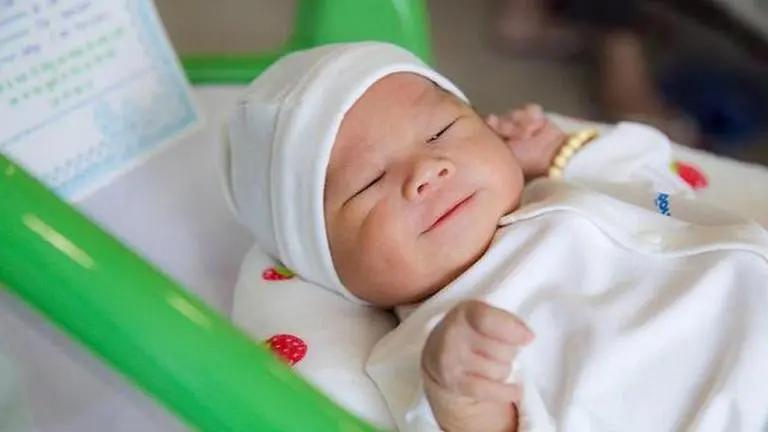
The monumental change made by the South Korean Parliament on December 8 is all set to make South Koreans younger. South Korea is known for following at least three age systems, but most citizens of South Korea used to follow the “Korean age” system. However, things changed on December 8 when the South Korean parliament passed a law to scrap the nation’s two traditional methods of counting age. The two scrapped methods also include the popular “Korean Age” system. The country is all set to follow the International standards of counting age from June 2023.
According to BBC, the move has been taken by the South Korean administration to reduce the confusion surrounding the calculation of age of Korean citizens. The country used to follow three ways of counting the age of people in Korea, but now the babies born after June 2023 will follow the international standard of counting age. However, babies born until then will still go by the traditional “Korean age system”. According to NPR, South Korean President Yoon Suk Yeol pledged to bring out this reform during his campaign earlier this year. South Korea now joins the list of several East Asian countries that have decided to let go of their traditional form of counting age.
What is the Korean age system? Why the South Korea traditional way of counting age is now being scrapped
As mentioned earlier, South Korea follows three age systems. The complexities of the age system make it confusing for many to figure out a Korean’s age. The famous “Korean age system” is deeply rooted in traditional Korean culture. In the Korean age system, a person will turn one year old as soon as they are born and will start gaining one year on every New Year’s Day. Hence, one’s Korean age will be one year older than their international age. The Korean culture believes that a person gains one year during the time they spent inside the mother's womb. While Koreans celebrate their birthday on the day they were born, they gain a year on January 1. So if a person is born on December 31st, he will turn two the very next day.
In another traditional format, a person’s age is calculated from zero at birth and a year is added on January 1. The method is usually used to calculate the legal age to drink alcohol or for smoking. The two ways of counting age hold a deep relevance in Korean culture and language. A person's age is used to determine how you are going to address them. If a person is older than you, you will address them as 'Nuna' or 'Eonni', however, if the person is younger than you, they will be addressed as 'Dongsaeng'. South Korea has been following international standards as well since the 1960s. While the traditional way of counting age is a way to honour the Korean culture, it also had the potential of creating much confusion.
Advertisement
Why the Change?
Earlier this year, when South Korean president Yoon Suk-yeol started off his campaign trail, he made his intentions clear to bring such a reform. The South Korean president claimed that the traditional way of calculating age created “unnecessary social and economic costs”. On Thursday, BBC reported that one of the members of the ruling party, People Power Party, told the South Korean parliament that the revision is aimed at “reducing unnecessary socio-economic costs, because legal and social disputes as well as confusion persist due to the different ways of calculating age.'' Hence, the government can be seen fulfilling a campaign promise to reduce the confusion by adopting the globally standardised system.
The recent reform brought out a mixed bag of responses among the Koreans. While some claimed that the new reform will let go of the old Korean traditions, many are happy with the new change. According to NPR, in a poll conducted in September, around 80% of South Koreans supported unifying the age-counting system. The Guardian reported that the traditional age system has attracted a lot of criticism, from numerous political leaders. Many claim that South Korea, which has become a very significant global, technological and cultural power is being held back by this age-old tradition. Hence the dilemma between preserving old traditional practices and imbibing modern values still persists. While many East Asia countries have let go of the traditional age calculation system, countries like China still hold on to their old roots.