
First Time in 7 Years: US-Sanctioned Tanker Carrying Iranian Crude To India Rerouted to China Amid West Asia Conflict
In a dramatic twist just days before arrival, a US-sanctioned Aframax tanker loaded with Iranian crude oil has changed course mid-voyage, abandoning plans to dock in India and redirecting instead to a Chinese port.
- World News
- 2 min read

;'%3e%3cpath%20d='m8,15.99c4.41,0,7.99-3.58,7.99-7.99S12.41,0,8,0,0,3.59,0,8s3.58,7.99,7.99,7.99Z'%20style='stroke:%23fff;%20stroke-miterlimit:10;%20stroke-width:.02px;'/%3e%3cpath%20d='m3.08,3.37l3.82,5.11-3.84,4.15h.87l3.37-3.64,2.72,3.64h2.94l-4.04-5.39,3.58-3.87h-.86l-3.1,3.35-2.5-3.35h-2.94Zm1.27.64h1.35l5.97,7.99h-1.35l-5.97-7.99Z'%20style='fill:%23fff;'/%3e%3c/g%3e%3c/svg%3e)


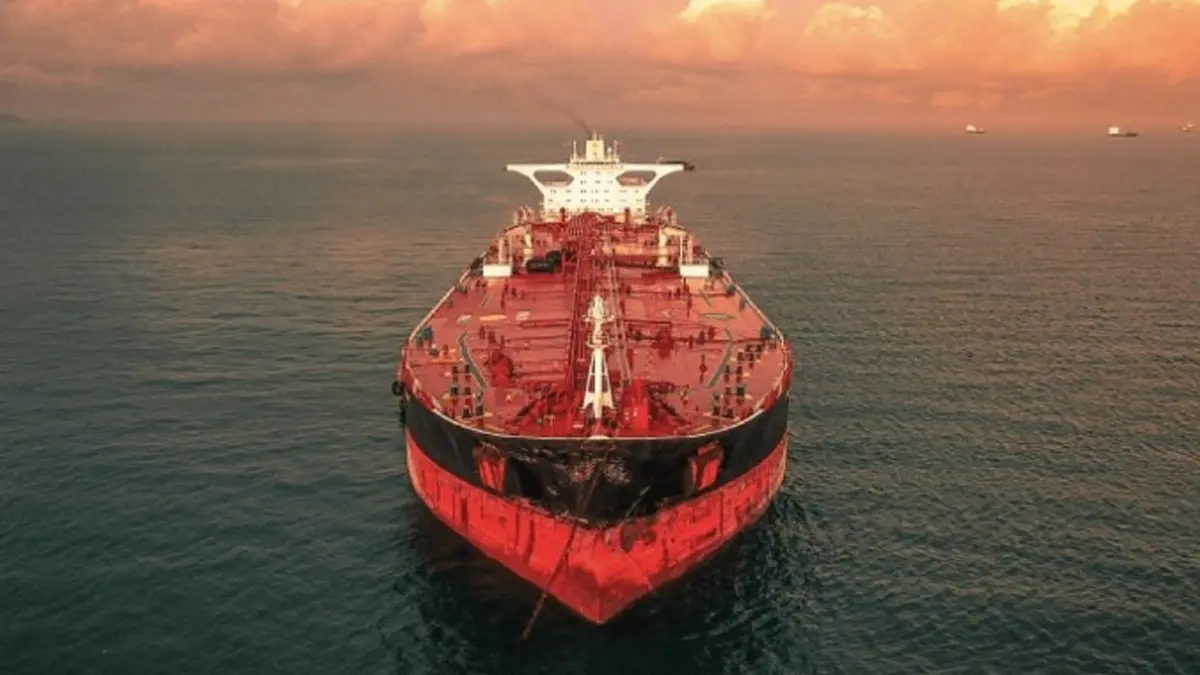
New Delhi: In a dramatic twist just days before arrival, a US-sanctioned Aframax tanker loaded with Iranian crude oil has changed course mid-voyage, abandoning plans to dock in India and redirecting instead to a Chinese port. The move dashes hopes of India receiving its first shipment of Iranian crude in nearly seven years and highlights the persistent challenges of sanctions, payment hurdles, and shifting global oil trade dynamics.
The vessel in question, the Ping Shun, an aging Aframax tanker built in 2002 and flagged under Eswatini, had been signaling India's Vadinar port in Gujarat as its destination earlier this week. Loaded with approximately 600,000 barrels of Iranian crude from Kharg Island around early March, the ship would have marked a symbolic resumption of direct oil trade between Tehran and New Delhi, which came to a halt in May 2019 following the reimposition of strict US sanctions after the US withdrawal from the Iran nuclear deal.
Analysts point to payment-related issues as the likely trigger for the reroute. Reports suggest Iranian sellers have been tightening credit terms, moving away from the traditional 30-60 day payment windows toward more immediate or upfront settlements--a demand that may have complicated negotiations with Indian buyers amid the complex web of secondary sanctions and banking restrictions.
This development comes shortly after reports of a temporary 30-day US sanctions waiver for certain Iranian oil cargoes already at sea, issued amid regional tensions in West Asia and elevated global crude prices. India, once a significant importer of Iranian grades like Iran Light and Iran Heavy due to their compatibility with domestic refineries and attractive pricing, had not lifted a barrel since 2019. At its peak in 2017-18, Indian imports from Iran reached nearly 24 million tonnes annually.
Advertisement
China, by contrast, has remained the dominant buyer of Iranian crude, accounting for over 90% of Tehran's seaborne exports in recent years through various workarounds, including ship-to-ship transfers and alternative payment mechanisms.
Indian government officials and refiners have not issued official comments on the incident, and the tanker's Automatic Identification System (AIS) signal could still change before final berthing.
Advertisement
For India's energy security, the setback reinforces reliance on diversified sources such as Russia, Saudi Arabia, Iraq, and the UAE.