
India-EU FTA Likely to be Signed During PM Modi's Europe Visit in December: Official
PM Modi is expected to undertake a four-nation tour, combining his visits to Europe and the US, for key strategic bilateral and multilateral engagement.
- World News
- 3 min read


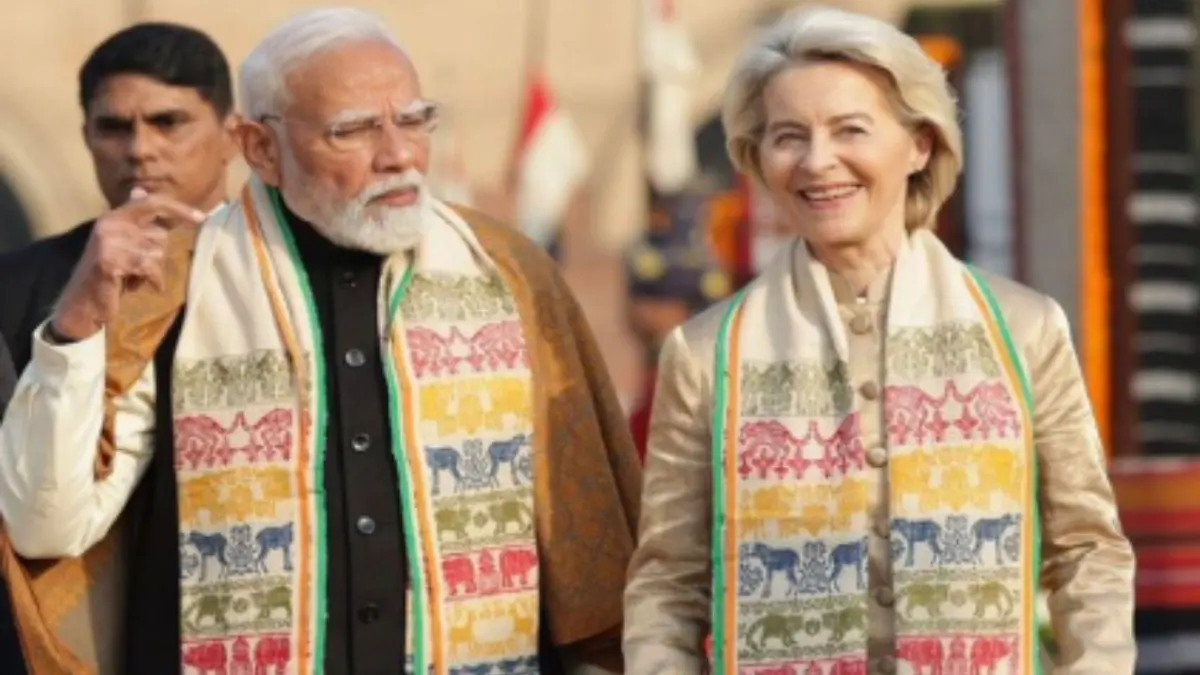
New Delhi: The India-European Union Free Trade Agreement (FTA) is likely to be signed during Prime Minister Narendra Modi's December visit to Europe, an official told ANI, marking a major step towards strengthening trade and economic ties between the two sides.
PM Modi is expected to undertake a four-nation tour, combining his visits to Europe and the US, for key strategic bilateral and multilateral engagement.
The proposed signing comes nearly ten months after India and the European Union concluded negotiations on the landmark trade agreement in January this year, during the 16th India-EU Summit.
Commerce Secretary Rajesh Agrawal had earlier told ANI this week that India was hopeful of signing the agreement in December 2026, expressing confidence over the progress of the negotiations.
Advertisement
"India-EU FTA progress is very nice, and we hope to sign it in December 2026," Agrawal said on the sidelines of the ISA Steel Conclave in New Delhi.
Speaking separately at a FICCI panel, the Commerce Secretary said India was aiming to operationalise the agreement in the first quarter of 2027.
Advertisement
"We are trying for the first quarter itself. So it depends on a lot of things moving in time, but we will be there," he said.
India and the EU concluded negotiations on January 27, following years of discussions after negotiations were relaunched in 2022. The agreement was jointly announced by Prime Minister Narendra Modi and European Commission President Ursula von der Leyen at the 16th India-EU Summit.
Following the conclusion of negotiations, the European Commission submitted proposals to the Council of the European Union in September to authorise the signing and formal conclusion of the agreement.
After signing, the pact will require the European Parliament's consent and a final decision by the Council. India must also complete its ratification before the agreement can come into effect.
The agreement is expected to provide unprecedented market access for Indian exporters, with more than 99 per cent of Indian exports by trade value gaining preferential access to the European Union market.
According to the Commerce Ministry, the pact is expected to significantly benefit labour-intensive sectors, including textiles, apparel, leather, footwear, marine products, gems and jewellery, handicrafts, engineering goods and automobiles.
The agreement is also expected to bring down tariffs on nearly USD 33 billion worth of Indian exports in labour-intensive sectors to zero upon its entry into force, creating opportunities for MSMEs, women, artisans, youth and professionals.
India has also secured favourable market access for agricultural and processed food products, while safeguarding sensitive sectors, including dairy, cereals, poultry and certain other agricultural products.
In addition to trade in goods, the agreement covers services, digital trade, customs and trade facilitation, intellectual property rights and mobility of professionals.
The FTA also provides a framework for facilitating the movement of skilled Indian professionals to European countries, with commitments covering intra-corporate transferees, contractual service suppliers and independent professionals across several sectors.
Bilateral trade in goods between India and the European Union stood at EUR 118 billion in 2025, according to the European Commission.
Meanwhile, Agrawal, speaking about the proposed India-US interim trade agreement, said negotiations were nearing completion.
"It is nearing conclusion, and we will be there soon," he told ANI.
The India-EU FTA is expected to strengthen economic engagement between India and the 27-member European Union bloc, expand export opportunities and deepen trade and investment ties, supporting India's vision of Viksit Bharat 2047.