
Iran Seeks Ban on US, Israeli Shipping Vessels in Strait of Hormuz Deal With Oman
Iran is proposing to restrict US and Israeli vessels in the Strait of Hormuz under an agreement with Oman, seeking compensation from perceived hostile nations for passage. This demand complicates negotiations with the US, which insists on unrestricted access.
- World News
- 2 min read

;'%3e%3cpath%20d='m8,15.99c4.41,0,7.99-3.58,7.99-7.99S12.41,0,8,0,0,3.59,0,8s3.58,7.99,7.99,7.99Z'%20style='stroke:%23fff;%20stroke-miterlimit:10;%20stroke-width:.02px;'/%3e%3cpath%20d='m3.08,3.37l3.82,5.11-3.84,4.15h.87l3.37-3.64,2.72,3.64h2.94l-4.04-5.39,3.58-3.87h-.86l-3.1,3.35-2.5-3.35h-2.94Zm1.27.64h1.35l5.97,7.99h-1.35l-5.97-7.99Z'%20style='fill:%23fff;'/%3e%3c/g%3e%3c/svg%3e)


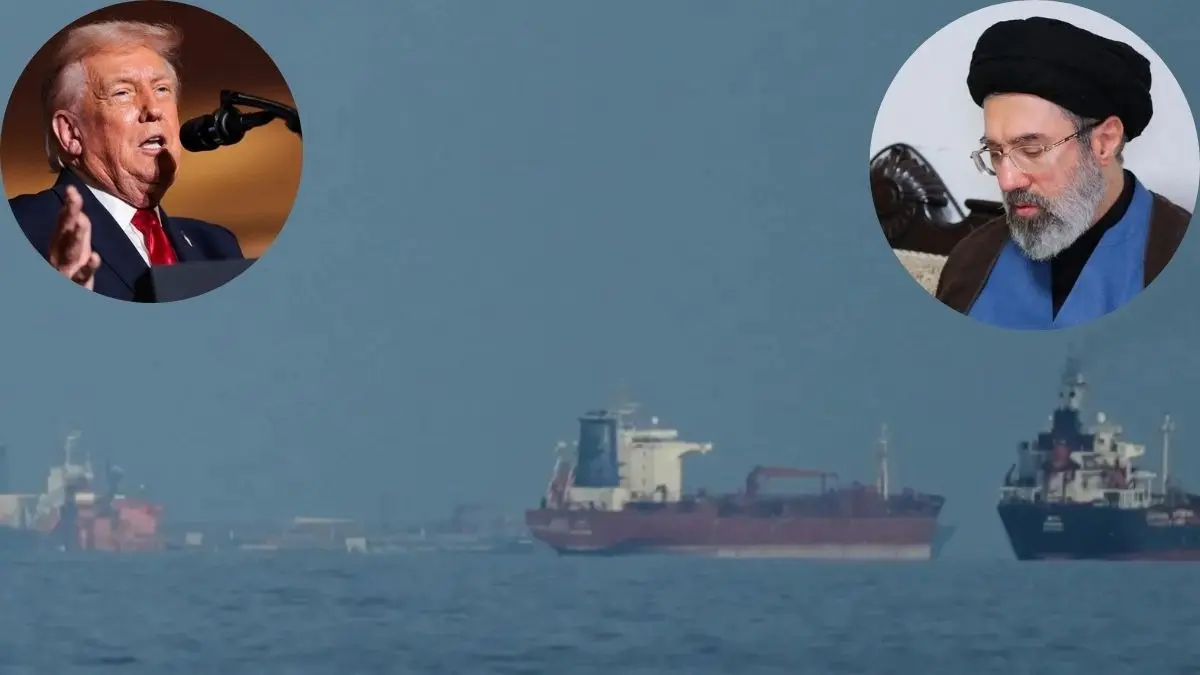
New Delhi: Iran is seeking to bar US and Israeli vessels from passing through the strategic Strait of Hormuz under a proposed agreement with Oman to manage the crucial waterway, according to reports, as negotiations over reopening the maritime passage continue.
Under the proposed arrangement, Iran would also seek compensation from countries it considers hostile before allowing their vessels to use the strait. The demands form part of Tehran’s push for greater control over maritime traffic through Hormuz amid ongoing negotiations involving Iran, Oman and the United States.
Iran’s reported position marks a major sticking point in the talks. Washington has maintained that shipping through the waterway should remain open without restrictions or transit charges, while Tehran is seeking terms that would give it greater authority over vessels entering and leaving the strait.
Reports suggest the emerging arrangement could involve Iran and Oman jointly overseeing maritime traffic, with vessels using designated routes through Iranian- and Omani-controlled waters. The proposed framework is aimed at restoring commercial shipping through the strategic passage after months of disruption.
Advertisement
The Strait of Hormuz is one of the world’s most important energy chokepoints, carrying a significant share of global oil shipments. Any restrictions on access could therefore have implications well beyond the Middle East, potentially affecting international shipping, energy supplies and oil prices.
The reported proposal comes as Tehran and Washington appear to be moving closer to an understanding on the future of the waterway. US President Donald Trump has said negotiations are progressing, while reports indicate that several issues-including Iran’s demand for control over transit and Washington’s insistence on unrestricted passage-remain unresolved.
Advertisement
Iran’s proposed exclusion of US and Israeli ships could further complicate efforts to finalise the arrangement. The move would effectively seek to turn access to Hormuz into a key negotiating instrument, while raising questions over how the agreement would be implemented and enforced.
The Strait of Hormuz connects the Persian Gulf with the Gulf of Oman and the Arabian Sea, making it a vital route for energy shipments from major Gulf producers. Any prolonged disruption or restrictions on passage could place additional pressure on global energy markets and international supply chains.
The proposed deal has yet to be finalised, and its implementation would depend on agreement among the parties involved. For now, the competing demands over who controls maritime traffic—and which vessels are allowed to transit-remain at the heart of the Hormuz negotiations.