
Iranian President Pezeshkian Orders Restoration Of International Internet After 87-Day Blackout That Froze Economy And Cut Off Millions
Iranian President Pezeshkian ordered the international internet restored after an 87-day blackout that shattered business and daily life, with 1-2% connectivity, while access rules and foreign platform bans remain unclear.
- World News
- 4 min read

;'%3e%3cpath%20d='m8,15.99c4.41,0,7.99-3.58,7.99-7.99S12.41,0,8,0,0,3.59,0,8s3.58,7.99,7.99,7.99Z'%20style='stroke:%23fff;%20stroke-miterlimit:10;%20stroke-width:.02px;'/%3e%3cpath%20d='m3.08,3.37l3.82,5.11-3.84,4.15h.87l3.37-3.64,2.72,3.64h2.94l-4.04-5.39,3.58-3.87h-.86l-3.1,3.35-2.5-3.35h-2.94Zm1.27.64h1.35l5.97,7.99h-1.35l-5.97-7.99Z'%20style='fill:%23fff;'/%3e%3c/g%3e%3c/svg%3e)


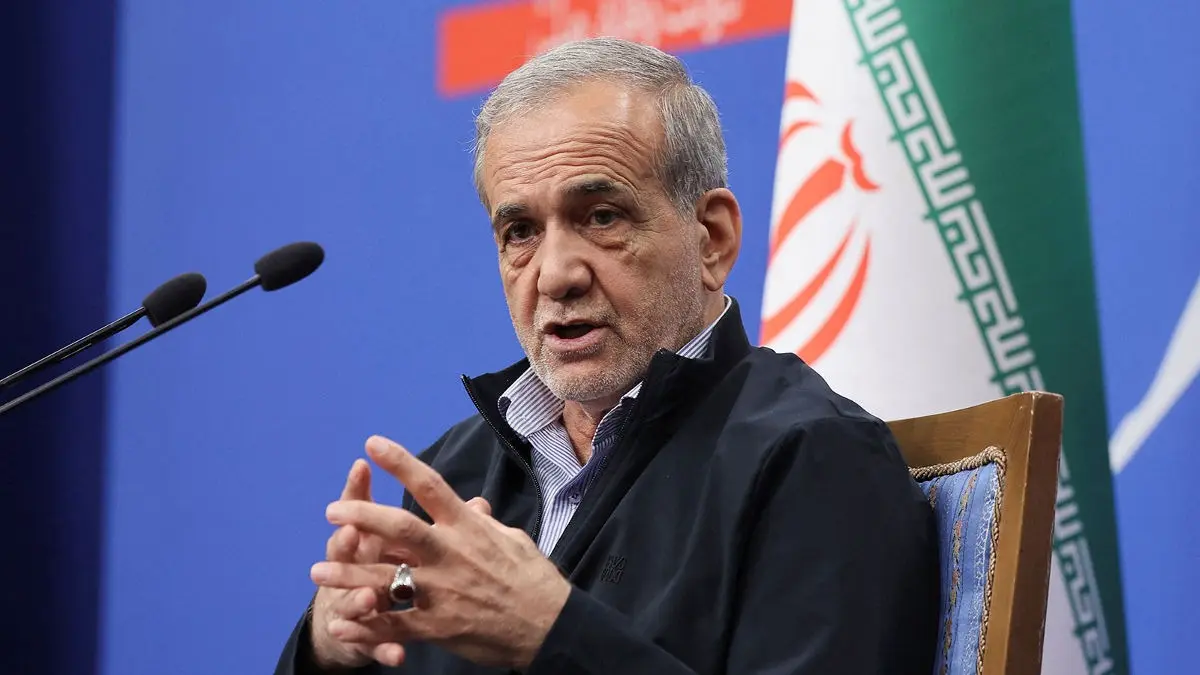
Tehran: After almost 3 months of near-total disconnection from the global web, Iranian President Masoud Pezeshkian has ordered the restoration of international internet access across the country. The state media confirmed the decision on Monday, signalling a possible end to one of the most severe digital shutdowns in modern history.
The President’s directive followed a period of intense restrictions that left millions unable to reach foreign websites or social media platforms without costly workarounds. The officials from Iran’s Communications Ministry stated that the move was approved during a high-level meeting of the Cyber Space Steering and Organising Headquarters, with the proposal passing by 9 votes to 3.
The announcements for people of Iran offered the first sign of normalcy since January, when the country was plunged into digital isolation amid protests, economic strain and military strikes.
Restrictions Leave Country At 1-2% Connectivity
Notably, Iran first imposed sweeping internet curbs on January 8 as anti-government protests spread across the country, fuelled by worsening economic conditions. A brief easing came on January 23, but the administration reinstated the measures with even greater force on February 28, the same day the United States and Israel launched attacks on Iran.
Advertisement
Data from internet monitoring group NetBlocks showed that connectivity remained at just 1 to 2 percent of normal levels for weeks, compared with 90 to 100 percent before the restrictions began. NetBlocks later termed the shutdown as “the most severe, by extent and duration, that we've tracked in the history of modern internet connectivity”.
The blackout lasted for over 87 days, during which most Iranians could not access international websites or social media unless they used expensive, sophisticated VPN services designed to bypass state controls. Fars News Agency, linked to the Islamic Revolutionary Guard Corps (IRGC), reported that Monday’s decision to restore access passed with 9 votes in favour and 3 against.
Advertisement
Daily Life, Business Brought To Standstill
The effect of the shutdown was felt in nearly every corner of Iranian society, with the families finding it difficult to reach relatives during a period of military tension, while business owners were cut off from customers and suppliers overnight. The freelancers and remote workers saw international contracts collapse, and access to independent information was sharply curtailed just as cities faced protests, economic unrest and air strikes.
Iran’s internet was already heavily controlled before January, with platforms such as Instagram, WhatsApp and Telegram blocked, forcing users onto VPNs. However, the latest restrictions went further, paralysing entire sectors of the digital economy. According to a report by The Wall Street Journal, over a million people are believed to have lost work due to the combined effects of war, protests and internet curbs.
The small firms reliant on social media advertising were among the worst affected. The tech start-ups stalled, software projects were abandoned, and developers lost contact with overseas clients. The disruption turned daily routines upside down, with people calling the period as life suddenly grinding to a halt.
Access Becomes Luxury As Starlink Spreads Underground
As the blackout wore on, internet access increasingly became a privilege reserved for a select few. Iran introduced a paid system known as ‘Internet Pro’, which offered limited, less-filtered connectivity through special white SIM cards. The applicants were reportedly required to submit personal documents and justify their need for access.
At the same time, Elon Musk’s satellite-based service Starlink began spreading inside the country. Thousands of terminals were reportedly smuggled into Iran after the crackdown began, giving some users a way to bypass state filters. However, using Starlink remains illegal, and the administration has been searching homes and rooftops for people accused of connecting to the service.
Despite Monday’s announcement, the officials have not clarified when full access will return nationwide or whether blocks on foreign platforms will be lifted. The state-linked outlets, including Mehr News Agency, reported that Pezeshkian approved the plan to restore connectivity, but no timeline was given.
Uncertainty Remains Over Full Restoration
Even as the order marks a shift in Iranian policy, questions remain over how open Iran’s internet will become. The country has faced a near-total blackout for over 87 days, and the government has yet to clarify whether longstanding bans on platforms like Instagram and Telegram will be removed.
However, now Iranians are waiting to see whether the president’s directive translates into meaningful change, or whether the web will remain a tightly managed space, accessible only to those with the right permissions, money, or illegal terminals.