
Khamenei Reportedly Sheltering in Underground Bunker as US Naval Forces Head to Middle East
Iran’s Supreme Leader Ayatollah Ali Khamenei has relocated to a fortified underground bunker in Tehran amid escalating tensions with the U.S., which is deploying significant military assets in the region. Khamenei’s son now managing his office, indicating heightened security measures.
- World News
- 3 min read

;'%3e%3cpath%20d='m8,15.99c4.41,0,7.99-3.58,7.99-7.99S12.41,0,8,0,0,3.59,0,8s3.58,7.99,7.99,7.99Z'%20style='stroke:%23fff;%20stroke-miterlimit:10;%20stroke-width:.02px;'/%3e%3cpath%20d='m3.08,3.37l3.82,5.11-3.84,4.15h.87l3.37-3.64,2.72,3.64h2.94l-4.04-5.39,3.58-3.87h-.86l-3.1,3.35-2.5-3.35h-2.94Zm1.27.64h1.35l5.97,7.99h-1.35l-5.97-7.99Z'%20style='fill:%23fff;'/%3e%3c/g%3e%3c/svg%3e)


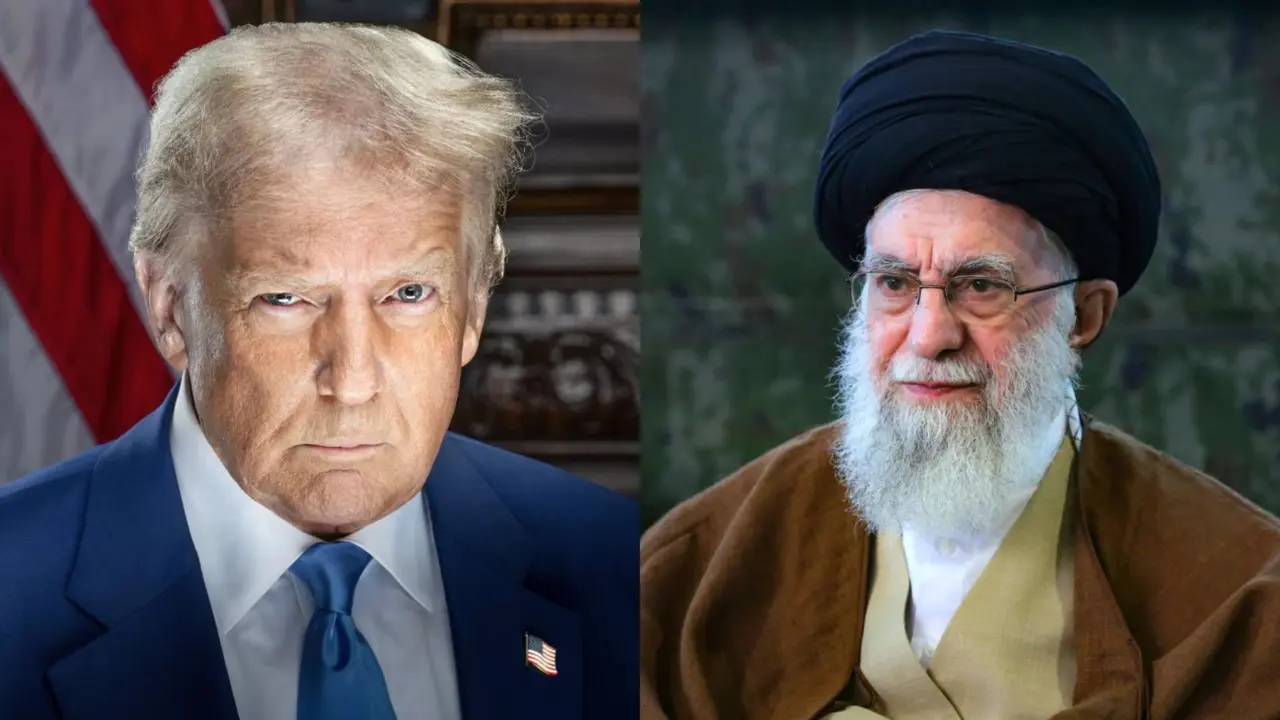
New Delhi: Iran’s Supreme Leader Ayatollah Ali Khamenei has reportedly relocated to a fortified underground bunker in Tehran, according to multiple international media reports citing sources close to the Iranian government. The move comes amid an escalating standoff with the United States, which is deploying significant naval assets toward the wider Middle East amid rising tensions over Iran’s internal unrest and external threats.
Iran’s state authorities have not officially confirmed the relocation, but reports suggest Khamenei’s move reflects serious concerns within Tehran’s leadership about the possibility of a U.S. military strike. The bunker is described as a heavily reinforced underground complex with interconnected tunnels designed to withstand aerial bombardment and serve as a protected command and communication hub in a crisis.
Shift in Leadership and Communications
According to the reports, Khamenei’s third son, Masoud Khamenei, has taken over day-to-day management of his father’s office, acting as the primary link between the supreme leader’s inner circle and both civilian and military branches of the Iranian state. The shift suggests heightened precautionary measures that extend beyond simple security protocols.
Earlier a senior Iranian official said that any attack on Iran would be treated as “an all-out war”, promising that Tehran would respond “in the hardest way possible”, the stern tone highlights the severity with which Iran is framing the standoff.
Advertisement
U.S. Military Movement and Regional Pressure
The reported bunker relocation coincides with increased U.S. military movements in the region, including the approach of the nuclear-powered aircraft carrier USS Abraham Lincoln and accompanying strike group. U.S. officials have described the deployment as a precautionary measure amid heightened tensions with Tehran, though they have stopped short of publicly announcing plans for direct military action against Iran.
U.S. President Donald Trump confirmed the movement of a “massive flotilla” toward the region, describing it as a posture meant to deter hostile actions and signal readiness if diplomatic pressures fail. While Trump has emphasized restraint, he has also linked the naval deployment to concerns over Iran’s conduct, including its handling of domestic protests and potential nuclear ambitions.
Advertisement
Domestic Unrest and International Scrutiny
Iran has been gripped by major internal unrest and economic strain, with widespread protests triggered by a sharp decline in the value of the rial and broader economic hardship. Reports by activist groups claim that security forces have killed thousands of demonstrators and detained tens of thousands more. Human rights organizations and U.N. officials have expressed concern over the crackdown, with the United Nations Human Rights Council criticizing Tehran’s response.
This combination of internal instability and external pressure has amplified fears of confrontation. Iran’s Revolutionary Guard Corps (IRGC) leadership has repeatedly warned that they are poised to respond if provoked and that Tehran remains prepared for military contingencies. IRGC commanders have asserted that their forces are “more ready than ever”, a message likely intended to deter miscalculations by rival powers.
International Reactions and Future Risks
The reported bunker relocation and U.S. naval buildup have stirred concern among international observers about the risks of wider conflict in the Middle East. Analysts caution that miscommunication or a sudden escalation could trigger broader military engagement, dragging regional and global powers into a prolonged crisis.
Diplomatic efforts to de-escalate have been limited so far, and with Iran framing any attack on its leadership as a declaration of war, the stakes remain high. Tehran’s foreign ministry has reiterated that while it seeks no direct conflict, it will defend its sovereignty.