
New Front in West Asia; Trump Mulls Option on Strike Against Houthis After Attack on Saudi Capital
New tensions may rise in the Middle East as the U.S. considers actions against the Houthis in Yemen after an attack on Riyadh. President Trump held a meeting about possible military strikes in Yemen. U.S. embassies have warned of possible retaliatory strikes.
- World News
- 4 min read

;'%3e%3cpath%20d='m8,15.99c4.41,0,7.99-3.58,7.99-7.99S12.41,0,8,0,0,3.59,0,8s3.58,7.99,7.99,7.99Z'%20style='stroke:%23fff;%20stroke-miterlimit:10;%20stroke-width:.02px;'/%3e%3cpath%20d='m3.08,3.37l3.82,5.11-3.84,4.15h.87l3.37-3.64,2.72,3.64h2.94l-4.04-5.39,3.58-3.87h-.86l-3.1,3.35-2.5-3.35h-2.94Zm1.27.64h1.35l5.97,7.99h-1.35l-5.97-7.99Z'%20style='fill:%23fff;'/%3e%3c/g%3e%3c/svg%3e)


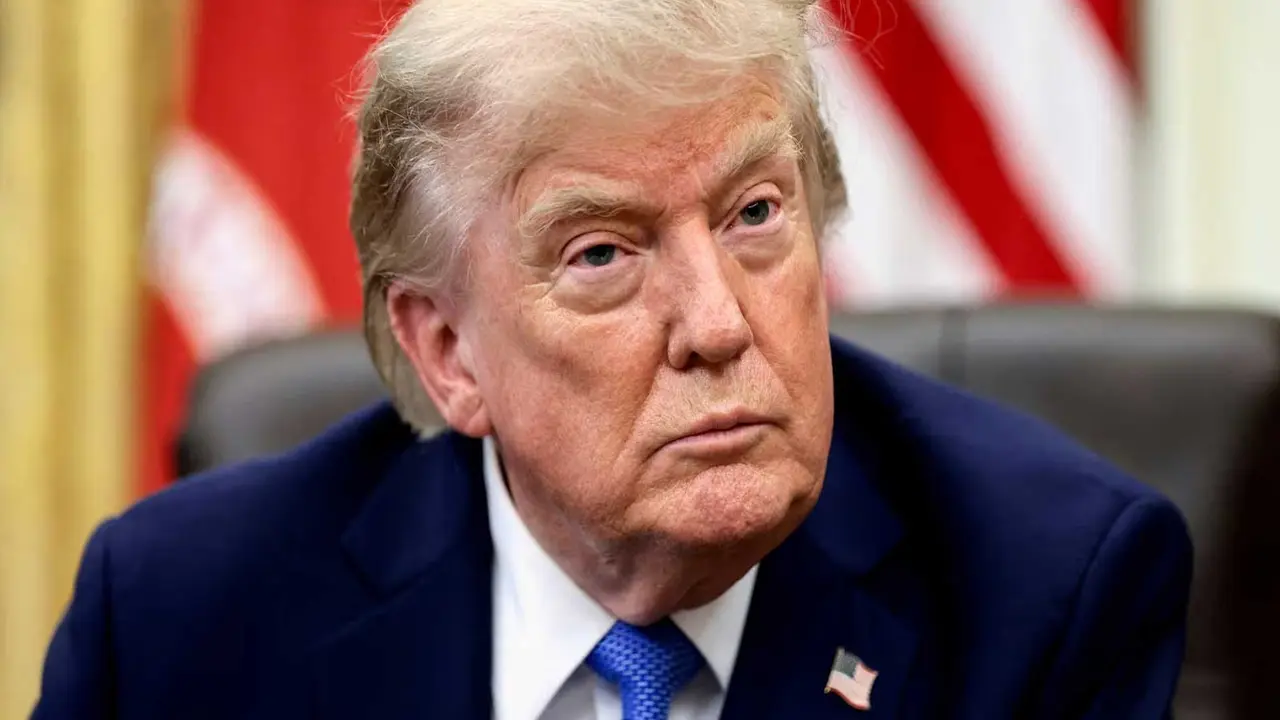
Washington: There are indications that a new front is likely to open in the restive Middle East with the American adminstration studying its options against the Houthis in Yemen after an attack on the Saudi capital Riyadh.
US President Donald Trump returned to the White House early from Camp David after an overnight stay, amid reports that his meeting at the presidential retreat was focused on deliberating and reviewing options for possible strikes in Yemen, CNN reported.
CNN National Security Analyst Alex Plitsas said in a post on X that he had been told Trump’s meeting at Camp David was intended to “deliberate and review Yemen strike options”, adding that US embassies across Middle Eastern countries were likely to face retaliatory strikes and had subsequently issued warnings.
"As I said last night, was told that the POTUS meeting at Camp David was to deliberate and review Yemen strike options. Today, U.S. embassies in Middle Eastern countries that are likely to be targets of retaliatory strikes issued warnings. Now POTUS head to the White House early," Plitsas said in the post.
Advertisement
Trump's early return to Washington comes against the backdrop of heightened tensions across West Asia, with concerns over possible retaliatory attacks and further military escalation involving Iran, Yemen and US interests in the region.
Tensions involving Yemen have further complicated the regional security picture. Saudi Arabia has said that Iran-backed Houthi forces attempted an attack on Riyadh using ballistic missiles, which Saudi forces intercepted. The Houthis, according to the account provided, said they had targeted "sensitive sites" but did not specify the locations.
Advertisement
Saudi Crown Prince Mohammed bin Salman has also previously warned about the threat posed by the Houthis, saying, “If it weren't for our fear for the innocent people of Yemen, we would have conquered it in one week and eliminated the Houthis.”
CNN has previously reported on US military preparations and discussions over possible further strikes, while noting that the scope and timing of any potential action could change.
The reported Camp David discussions come as US diplomatic missions in the region have issued security warnings to Americans. The State Department's current regional guidance tells US citizens in the Middle East to monitor embassy and consular alerts and warns that the security environment can change rapidly.
The warnings are particularly significant in countries such as Saudi Arabia, where the US State Department says there remains a threat of Iranian drone and missile attacks as well as threats from Iran-backed Houthi forces in Yemen.
The latest developments follow an escalation in rhetoric from Tehran. Iran's security chief Mohsen Rezaei, speaking to Al Jazeera, said that Iran remained in contact with Qatar as a mediator and had conveyed conditions to Washington for ending the war.
"We remain in contact with the mediator Qatar, which has conveyed our conditions to Washington with the aim of ending the war. We are awaiting President Trump’s response. Our conditions are an end to the war on all fronts, the release of our frozen funds and an end to the naval blockade. It is in Washington’s interest to accept these conditions. Trump’s threats will not achieve any results. We are prepared for a decisive war," Rezaei said.
Iran has also said that it is prepared for a prolonged confrontation if its demands are not accepted, while the Trump administration has continued to weigh military options alongside diplomatic efforts.
The situation has also been accompanied by reports of increased military activity in the region. Russia Today reported that a US bomber had departed an air base in the UK bound for West Asia, while Iran's Press TV reported air-defence activity near the Kharab al-Jir base in Al-Hasakah in northeastern Syria. Those reports could not be independently verified from the information available.
The developments also come as world leaders prepare to gather in New York for the United Nations General Assembly, where the wider conflict in West Asia is expected to remain a major international focus.
With diplomatic channels still open and military options reportedly under consideration, attention remains on Washington's next move and whether the latest escalation can be contained through negotiations or develops into a wider regional confrontation.