
New US Tariffs to Hit Trade Partners on August 1
The new August 1 effective date provides a three-week extension, but it leaves businesses and importers grappling with uncertainty over future costs.
- World News
- 3 min read

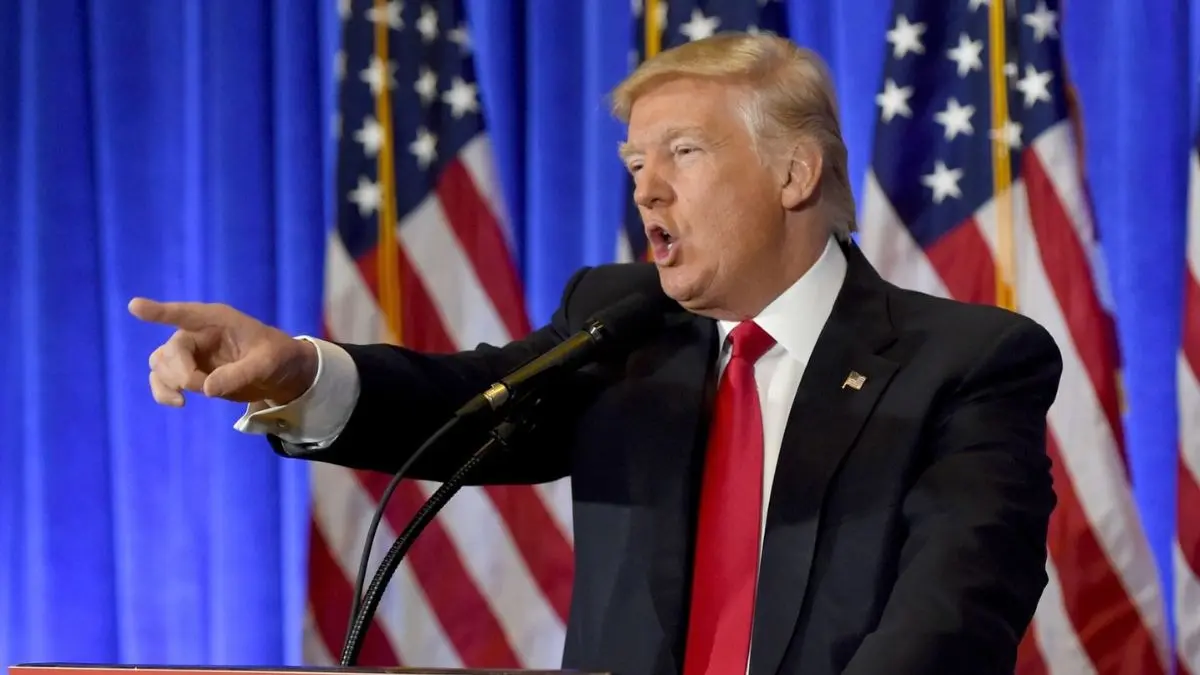
On Monday, July 7, 2025, US President Donald Trump revealed that the U.S. would send out “12, maybe 15” letters to trading partners, notifying them of new tariff rates, while also noting that “some deals have been made.” These letters are part of a strategy to address trade imbalances, with tariffs set to take effect on August 1, 2025, according to U.S. Commerce Secretary Howard Lutnick.
This clarification came after Trump’s vague response when asked about the timeline, saying, “No, there are going to be tariffs, the tariffs, the tariffs are going to be, the tariffs,” before adding, “I think we’ll have most countries done by July 9, yeah. Either a letter or a deal.” Lutnick stepped in to confirm, “But they go into effect on August 1. Tariffs go into effect August 1, but the president is setting the rates and the deals right now.”
The tariffs stem from an April announcement where Trump introduced a 10% baseline tariff on most countries, with additional duties as high as 50% for some. These were temporarily suspended for 90 days to allow negotiations, but the pause ends on July 9, 2025. The new August 1 effective date provides a three-week extension, but it leaves businesses and importers grappling with uncertainty over future costs.
EU-US Talks: A Race Against Time
The European Union, one of the U.S.’s largest trading partners, is working feverishly to avoid steep tariffs. Following intense weekend negotiations, EU trade spokesperson Olof Gill expressed optimism about reaching an “agreement in principle” by Wednesday, July 9. He noted that Trump and European Commission President Ursula von der Leyen had a “good exchange” on Sunday, emphasizing the EU’s desire to avoid tariffs. “We want to reach a deal with the US. We want to avoid tariffs. We believe they cause pain. We want to achieve win-win outcomes, not lose-lose outcomes,” Gill said at a Brussels press briefing. “We’re fully geared up to get an agreement in principle by Wednesday, and we’re firing on all cylinders to that effect.”
Advertisement
The EU is particularly focused on reducing tariffs on cars (currently at 25%) and steel (50%), which heavily impact its economy, especially Germany’s auto industry. Sources indicate the EU might accept the 10% baseline tariff in exchange for more time to negotiate exemptions for key sectors like automobiles and pharmaceuticals. However, divisions among EU member states, with Germany pushing for a quick deal and France advocating for a stronger stance, could complicate talks.
BRICS Nations Face Additional Tariff Threat
Trump escalated tensions with the BRICS bloc—Brazil, Russia, India, China, and South Africa—by threatening an extra 10% tariff on any country aligning with what he called the “Anti-American policies of BRICS.” This warning came after BRICS leaders, meeting at a summit in Rio de Janeiro on Sunday, issued a statement expressing “serious concerns about the rise of unilateral tariff” measures, arguing they could harm the global economy. Trump responded on Truth Social, stating, “Any Country aligning themselves with the Anti-American policies of BRICS, will be charged an ADDITIONAL 10% Tariff. There will be no exceptions to this policy.”
Advertisement
This threat follows Trump’s earlier 2024 warning of 100% tariffs on BRICS nations if they pursued a currency to rival the U.S. dollar. The expanded BRICS group, now including Egypt, Ethiopia, Indonesia, Iran, Saudi Arabia, and the United Arab Emirates, represents over half the world’s population and a significant share of global trade.