
'Remove Shoes, Dress Modestly, Avoid...': UK Police Guidelines on Interacting With Muslim Community Sparks Row
The recommendations, part of a National Faith Toolkit released by the National Police Chiefs' Council (NPCC), have drawn criticism from opposition leaders, who have raised concerns over what they describe as 'two-tier policing'.
- World News
- 3 min read


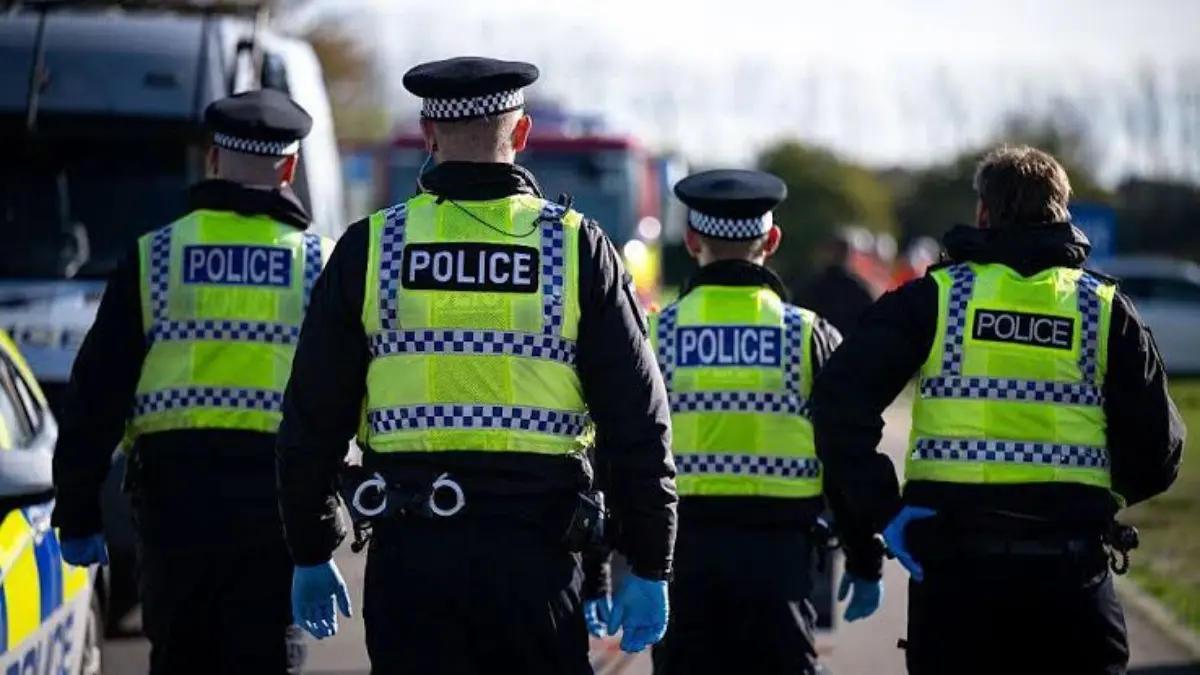
A new set of guidelines issued to police officers in the United Kingdom has triggered a political controversy after advising them to dress modestly, remove their shoes and respect religious practices while interacting with Muslim communities.
The recommendations, part of a National Faith Toolkit released by the National Police Chiefs' Council (NPCC), have drawn criticism from opposition leaders, who have raised concerns over what they describe as 'two-tier policing'.
The toolkit provides practical guidance to police officers and staff on engaging with people from different religious and cultural backgrounds.
However, its recommendations concerning interactions with Muslims have attracted particular attention following reports about the detailed instructions included in the document.
Advertisement
According to the guidance, officers visiting Muslim homes or mosques should dress modestly, cover or remove their shoes, and maintain quiet and respectful behaviour.
They are also advised to avoid using police dogs and refrain from interrupting individuals who are engaged in prayers.
Advertisement
The document further recommends that officers avoid entering sections of religious buildings designated for members of the opposite gender.
It also asks them to consider cultural sensitivities during interactions between men and women, suggesting that, in certain situations, an officer of the same gender may be better suited to handle the interaction.
The toolkit also addresses religious considerations during investigations involving deaths and post-mortem examinations.
It suggests that cultural and religious sensitivities should be considered when dealing with the bodies of deceased Muslims and their families.
The recommendations have drawn criticism from senior political figures, including Reform UK leader Nigel Farage, who accused the police of compromising equal treatment under the law.
Farage described the guidance as evidence of institutional 'two-tier policing' and argued that law enforcement authorities should not make excessive accommodations for religious or cultural practices.
UK Shadow Home Secretary Chris Philp also criticised the recommendations, insisting that police officers should treat everyone equally, irrespective of their religion or ethnicity.
The criticism has reignited a broader debate in Britain over religious accommodation, equality before the law and the responsibilities of law enforcement agencies when dealing with diverse communities.
Defending the toolkit, the National Police Chiefs' Council said the document was designed to help officers understand and engage effectively with Britain's increasingly diverse communities.
The council also clarified that religious and cultural considerations do not override the law or the operational duties of police officers.
The toolkit was developed with contributions from several organisations representing different communities, including the National Association of Muslim Police, National Sikh Police Association, Christian Police Association and British Association for Women in Policing.
The controversy has once again brought the balance between respecting religious traditions and maintaining consistent policing standards into the spotlight.