
Suez & Panama Canals Charging Tolls, But Iran's Demand For Hormuz Fee Is Raising Questions. Here's Why
With Iran maintaining a firm stance to levy fees from ships crossing the Strait of Hormuz, the question remains whether the Middle Eastern country's demand is legal or not. Here is what the international law states:
- World News
- 2 min read

;'%3e%3cpath%20d='m8,15.99c4.41,0,7.99-3.58,7.99-7.99S12.41,0,8,0,0,3.59,0,8s3.58,7.99,7.99,7.99Z'%20style='stroke:%23fff;%20stroke-miterlimit:10;%20stroke-width:.02px;'/%3e%3cpath%20d='m3.08,3.37l3.82,5.11-3.84,4.15h.87l3.37-3.64,2.72,3.64h2.94l-4.04-5.39,3.58-3.87h-.86l-3.1,3.35-2.5-3.35h-2.94Zm1.27.64h1.35l5.97,7.99h-1.35l-5.97-7.99Z'%20style='fill:%23fff;'/%3e%3c/g%3e%3c/svg%3e)


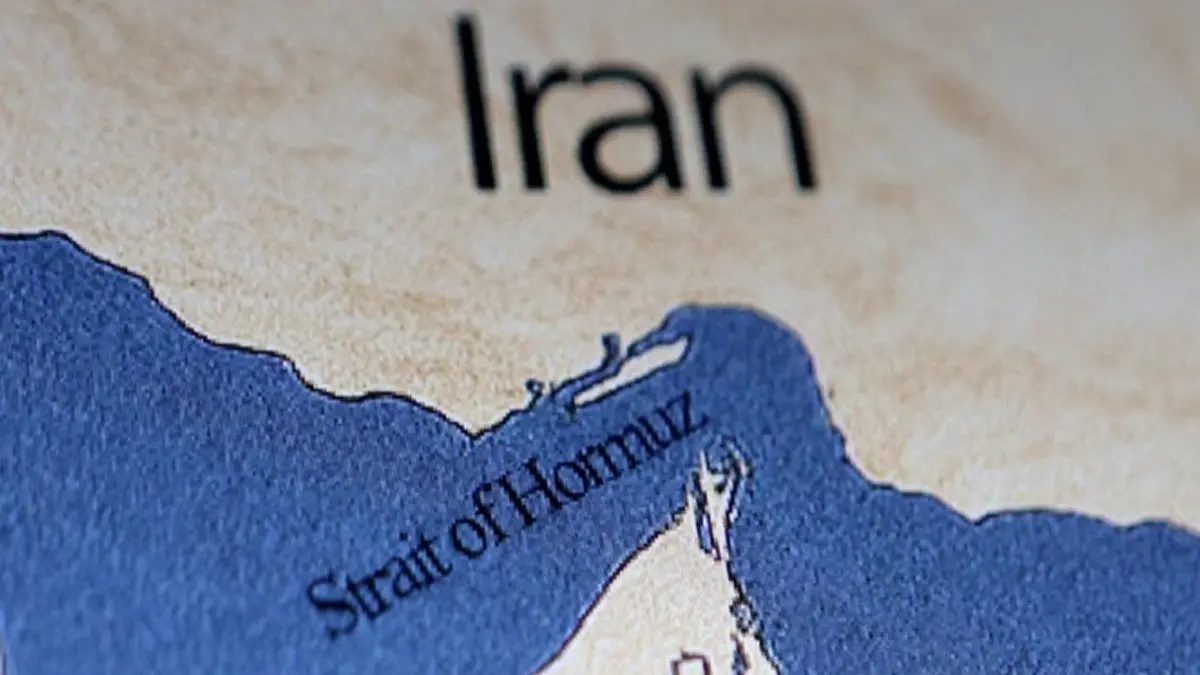
Tehran: With Iran maintaining a firm stance to levy fees from ships crossing the Strait of Hormuz, the question remains whether the Middle Eastern country's demand is legal or not. While waterways like Suez Canal and Panama Canal levy transit fees, an outcry has erupted over Iran's demand to do the same at Hormuz. Here's why:
UNCLOS
The United Nations Convention on the Law of the Sea (UNCLOS) guarantees the right of “transit passage” through straits used for international navigation. Levying toll charges for crossing any strait is against the international convention.
UNCLOS is an international treaty signed in 1982 by parties including the European Union (EU). The convention, which came into effect from 1994, states that countries bordering states cannot demand payment from ships for simply passing through.
However, limited fees can be imposed on vessels for services like piloting or port services.
Advertisement
Straits of Dardanelles and Bosphorus, which are maintained by Turkey, also charge zero transit fee from vessels.
Why Is Suez Canal Fee Legal?
Egypt and Panama charge fees to allow vessels to pass through Suez Canal and Panama Canal, respectively. This is because the international laws are different for straits and canals.
Advertisement
While straits occur naturally, canals are dug up manually. Hence, the countries controlling the canals take transit fee from vessels for allowing them to pass through.
₹18.5 Crore Toll At Hormuz?
There are reports that Iran is collecting $2 million (approximately Rs 18.5 crore) as transit fees from some ships to cross the Strait of Hormuz.
US President Donald Trump has also targeted Iran over reports of it for charging fees at the strait, saying, “If they are, they better stop now!”

The crucial maritime route, through which a massive chunk of global trade flows, lies between Iran and Oman. Notably, no transit fee has been levied on ships crossing the waterway in the past.