
0%, Then 100% & Later 200%: Trump's Tariff Bomb On Generic Drugs Puts India's $10-Billion Exports At Risk
US President Donald Trump announced a two-year duty-free period for imported generic medicines, followed by steep tariffs of 100% and 200%, aimed at encouraging pharmaceutical manufacturing relocation to the US. This change significantly impacts countries like India, a major generic exporter.
- World News
- 2 min read

;'%3e%3cpath%20d='m8,15.99c4.41,0,7.99-3.58,7.99-7.99S12.41,0,8,0,0,3.59,0,8s3.58,7.99,7.99,7.99Z'%20style='stroke:%23fff;%20stroke-miterlimit:10;%20stroke-width:.02px;'/%3e%3cpath%20d='m3.08,3.37l3.82,5.11-3.84,4.15h.87l3.37-3.64,2.72,3.64h2.94l-4.04-5.39,3.58-3.87h-.86l-3.1,3.35-2.5-3.35h-2.94Zm1.27.64h1.35l5.97,7.99h-1.35l-5.97-7.99Z'%20style='fill:%23fff;'/%3e%3c/g%3e%3c/svg%3e)


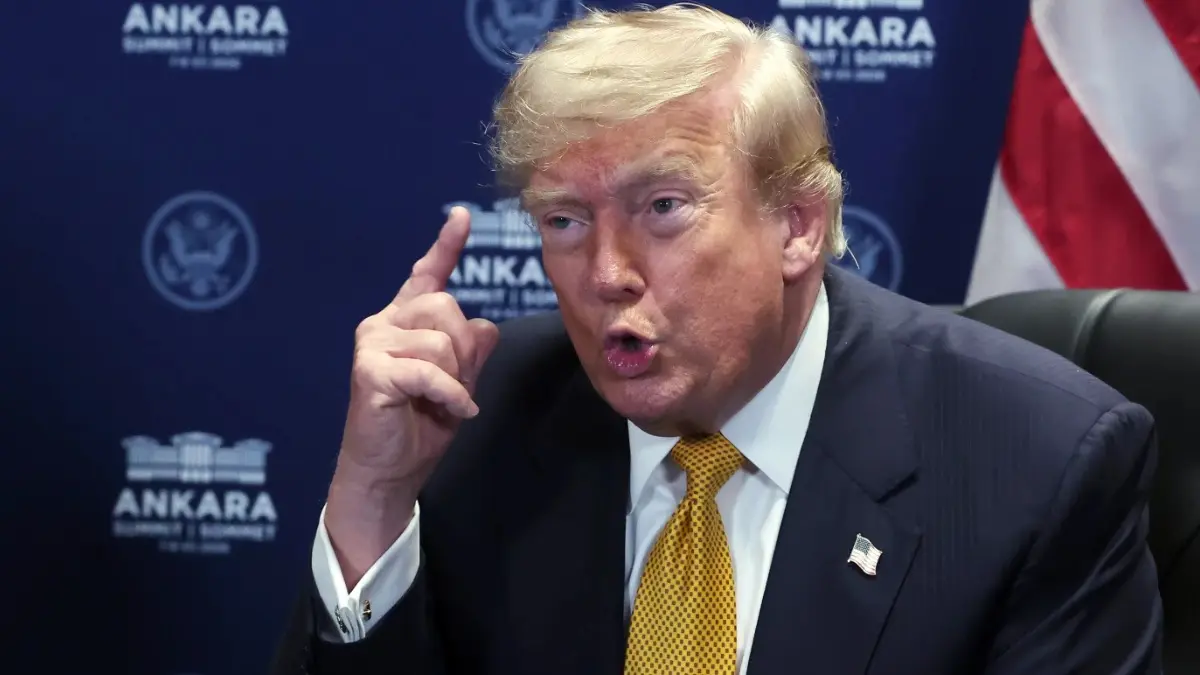
New Delhi: US President Donald Trump on Tuesday announced a phased tariff regime for imported generic medicines, granting a two-year duty-free window before imposing steep tariffs aimed at pushing pharmaceutical manufacturing back to the United States.
Under the new policy, imported generic drugs will continue to face 0% tariffs for two years beginning August 1, 2026. After the grace period ends, the US will levy a 100% tariff for one year, followed by a 200% tariff indefinitely, Trump said.

The announcement marks a major shift in Washington's trade policy on pharmaceuticals and is expected to have significant implications for countries such as India, one of the world's largest exporters of generic medicines to the US.
Trump said the phased approach is intended to give drug manufacturers enough time to relocate production facilities to the United States, warning that companies continuing to rely on overseas manufacturing would face punitive duties once the transition period ends.
Advertisement
Generic medicines account for nearly 90% of all prescriptions dispensed in the United States, making the sector critical to the country's healthcare system. Industry observers say the two-year exemption appears designed to avoid immediate supply disruptions while encouraging companies to invest in US manufacturing.
The announcement is expected to have significant implications for India's pharmaceutical industry, which supplies nearly 40% of all generic medicines consumed in the United States by volume. Indian drugmakers export generic medicines worth an estimated USD 9-10 billion annually to the US, making it their largest overseas market.
Advertisement
While Trump's decision to keep tariffs at 0% for the next two years offers temporary relief, the planned 100% tariff after the grace period, followed by a permanent 200% levy, could disrupt India's exports and prompt major pharmaceutical companies to consider setting up manufacturing facilities in the US to retain market access.
The move follows the Trump administration's broader push to reshore pharmaceutical production. Earlier this year, the administration imposed tariffs on branded pharmaceutical products while temporarily exempting generics. The latest announcement sets a definitive timeline for extending tariff measures to generic medicines as well.
The policy is expected to be closely watched by global generic drugmakers, particularly Indian pharmaceutical companies that derive a substantial share of their revenues from the US market. Analysts will also monitor whether companies choose to expand manufacturing in the US to avoid the planned tariff hikes.]