
Trump Unveils Alternative Trade Arsenal: Section 122, 301, 232 Tariffs Set to Redefine U.S. Trade Policy | EXPLAINED
After a legal setback, US President Donald Trump has activated new trade laws to maintain his protectionist agenda. By using Sections 122, 301, and 232, he seeks to enforce aggressive tariffs.
- World News
- 3 min read

;'%3e%3cpath%20d='m8,15.99c4.41,0,7.99-3.58,7.99-7.99S12.41,0,8,0,0,3.59,0,8s3.58,7.99,7.99,7.99Z'%20style='stroke:%23fff;%20stroke-miterlimit:10;%20stroke-width:.02px;'/%3e%3cpath%20d='m3.08,3.37l3.82,5.11-3.84,4.15h.87l3.37-3.64,2.72,3.64h2.94l-4.04-5.39,3.58-3.87h-.86l-3.1,3.35-2.5-3.35h-2.94Zm1.27.64h1.35l5.97,7.99h-1.35l-5.97-7.99Z'%20style='fill:%23fff;'/%3e%3c/g%3e%3c/svg%3e)


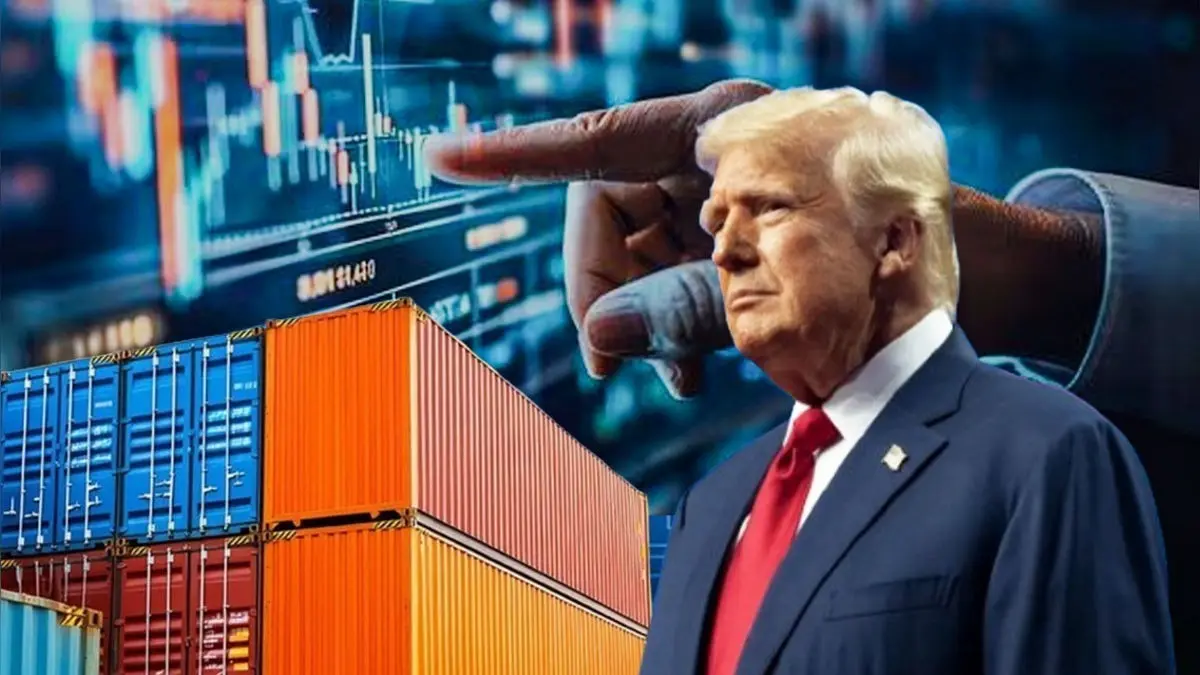
New Delhi: After a major legal setback to his sweeping tariff policy, U.S. President Donald Trump has moved swiftly to deploy a new trio of trade laws that could keep his protectionist agenda alive. By invoking Sections 122, 301, and 232 of U.S. trade legislation, Trump is signalling that court rulings will not halt his push for aggressive import duties, setting the stage for renewed tensions in global commerce.
Trump announced a 10% global import duty grounded in Section 122 of the Trade Act of 1974, a lesser-used statute that allows the president to impose temporary tariffs of up to 15% for up to 150 days without lengthy investigations. The move is intended to partially compensate for revenue lost after courts curtailed his earlier tariff authority.
“We have powerful alternatives”, Trump stated, underscoring that the new tariffs are aimed at addressing large trade deficits and reinforcing U.S. negotiating leverage.
The Three Legal Pillars of Trump’s Tariff Playbook
Section 122 - Quick, Temporary Global Duties: Trump used this section to slap a 10% global duty, effective from February 24, as part of broader efforts to curb the U.S. balance-of-payments deficit and reduce the outflow of U.S. dollars to foreign producers. Some strategically essential items - like critical minerals, pharmaceuticals, certain vehicles and aerospace products - are excluded from the duty to protect U.S. industry needs.
Advertisement
Section 301 - Targeting Unfair Trade Practices: Section 301 allows the U.S. to investigate foreign trade practices that are deemed discriminatory or unjust, and impose specific tariffs on offending countries or products. Trump has directed the U.S. Trade Representative to launch fresh probes into “unreasonable and discriminatory acts” after rolling out the interim global surcharge.
Section 232 - National Security Tariffs: This statute empowers the president to impose tariffs on imports if they are judged to threaten U.S. national security. Historically used for steel and aluminum tariffs, 232 investigations remain part of Trump’s broader trade toolkit for long-term measures.
Advertisement
Why the 10% Duty?
The White House fact sheet underscored that the U.S. is grappling with large and persistent balance-of-payments deficits, sending dollars overseas and undermining domestic economic strength. Trump’s proclamation stated that special import measures like surcharges are essential to correct these structural imbalances by encouraging domestic production, creating jobs and restoring financial stability.
What This Means for Global Trade
Trump’s pivot to these alternative statutes reflects an effort to keep tariff pressure alive despite legal hurdles. While Section 122 offers speed, it is temporary; Sections 301 and 232 require investigations that could stretch into months.
The new approach signals that the U.S. is likely to maintain assertive trade measures, balancing temporary sweeping duties with more targeted investigations into specific unfair trade practices and national security threats.
Legal Setback And Policy Comeback
While the new 10% tariff under Section 122 is time-bound - expiring after 150 days unless extended - Sections 301 and 232 investigations could pave the way for longer-term, more targeted tariffs or trade actions. The combined approach suggests that the Trump administration is seeking to balance fast-acting tariff tools with deeper policy probes to anchor future trade negotiations.
In White House messaging, the move is framed not just as revenue protection but as part of a broader effort to rebalance global trade, reshape U.S. industrial competitiveness, and reduce the outbound flow of dollars that Trump advisers describe as harmful to long-term national interests.