
Florida man dies of a 'brain-eating' amoeba; know about its symptoms and treatment
A man in Florida died after getting infected by the deadly brain-eating amoeba named Naegleria fowleri. A look at the causes and symptoms of the infection.
- World News
- 3 min read

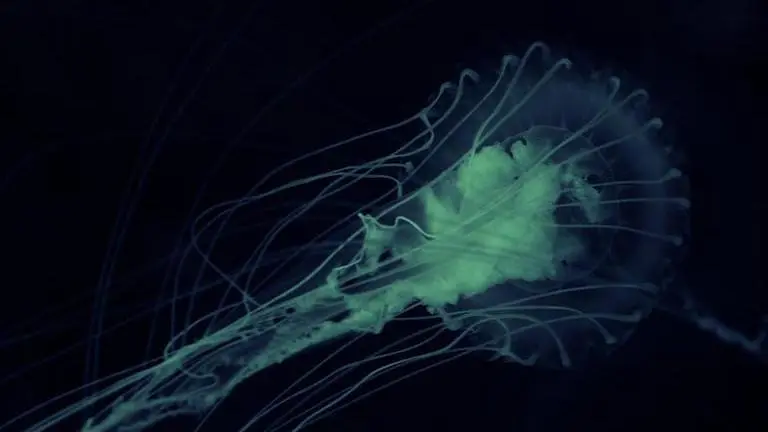
A man in southwest Florida died after getting infected by the deadly brain-eating amoeba named Naegleria Fowleri. According to NPR, the state official stated that the man was infected "possibly as a result of sinus rinse practices utilizing tap water”. The Florida Department of Health in Charlotte County confirmed the death of the man due to the brain-eating amoeba on Thursday. The department also stated that the local agencies are making continuous efforts to coordinate this ongoing investigation, implement protective measures, and take any necessary corrective actions”.
According to the US Centers for Disease Control, Naegleria fowleri is a free-living amoeba, which is so small that it can only be seen under a microscope. The deadly amoeba can cause rare but fatal brain infections known as Primary Amebic Meningoencephalitis (PAM). The single-celled organism is found in warm fresh water and has been a cause of several infections in the United States. The infection is so severe that between 1962 to 2022, America noted only 4 known survivors of the brain-eating amoeba. The state of Florida has witnessed several such cases as infections are most common in Southern states during winter months.
What are the symptoms of Naegleria Fowleri infection?
The deadly amoeba that causes PAM, destroys the brain tissues which eventually led to the death of the infected person. According to the CDS, the symptoms are similar to the symptoms of bacterial meningitis. As per the guidelines, the first symptoms of PAM start about 5 days after the infection and the symptoms may include a stiff neck, confusion, lack of attention to people and surroundings, seizures, hallucinations and even coma. After the symptoms begin, it is likely that the infected individual can die within about 5 days. The death rate due to the infection is a whopping 97% as per CDS.
Is there any scope for treatment?
Because PAM is rare and the infection progresses quickly, treatment of the deadly brain-eating amoeba is challenging. However, in the past, certain drugs were proven to be effective, but health experts are yet to find the most effective drug with a solid track record in dealing with the virus. The drugs include amphotericin B, azithromycin, fluconazole, rifampin, miltefosine, and dexamethasone. Miltefosine is the newest drug that has been shown to kill Naegleria fowleri in the laboratory and has been used to treat three survivors. However, medical experts take a “prevention is better than cure” approach when it comes to the brain-eating amoeba.
Advertisement
The CDS warns that people should “always assume” that there is a risk of infection when entering fresh water. "The only sure way to prevent an infection is to avoid water-related activities in warm freshwater, especially during summer months," the guideline reads. The CDS urges people to try to prevent water from going up their noses when they go out swimming. The Florida health official also stated that people should also try not to let water into their noses while bathing, showering, or washing their faces. Overall, health experts urge people to maintain caution when they are around fresh water.