
What Is Bangladesh’s National Equipment Identity Register (NEIR) and Why It Matter: Explained
Bangladesh's National Equipment Identity Register (NEIR) is being implemented to regulate mobile handsets connected to telecom networks. Established by the Bangladesh Telecommunication Regulatory Commission (BTRC), it verifies devices against a national registry using their IMEI numbers to detect legally imported or manufactured phones. The system links IMEIs to user identities and limits SIMs per ID to combat fraud.
- World News
- 3 min read

;'%3e%3cpath%20d='m8,15.99c4.41,0,7.99-3.58,7.99-7.99S12.41,0,8,0,0,3.59,0,8s3.58,7.99,7.99,7.99Z'%20style='stroke:%23fff;%20stroke-miterlimit:10;%20stroke-width:.02px;'/%3e%3cpath%20d='m3.08,3.37l3.82,5.11-3.84,4.15h.87l3.37-3.64,2.72,3.64h2.94l-4.04-5.39,3.58-3.87h-.86l-3.1,3.35-2.5-3.35h-2.94Zm1.27.64h1.35l5.97,7.99h-1.35l-5.97-7.99Z'%20style='fill:%23fff;'/%3e%3c/g%3e%3c/svg%3e)


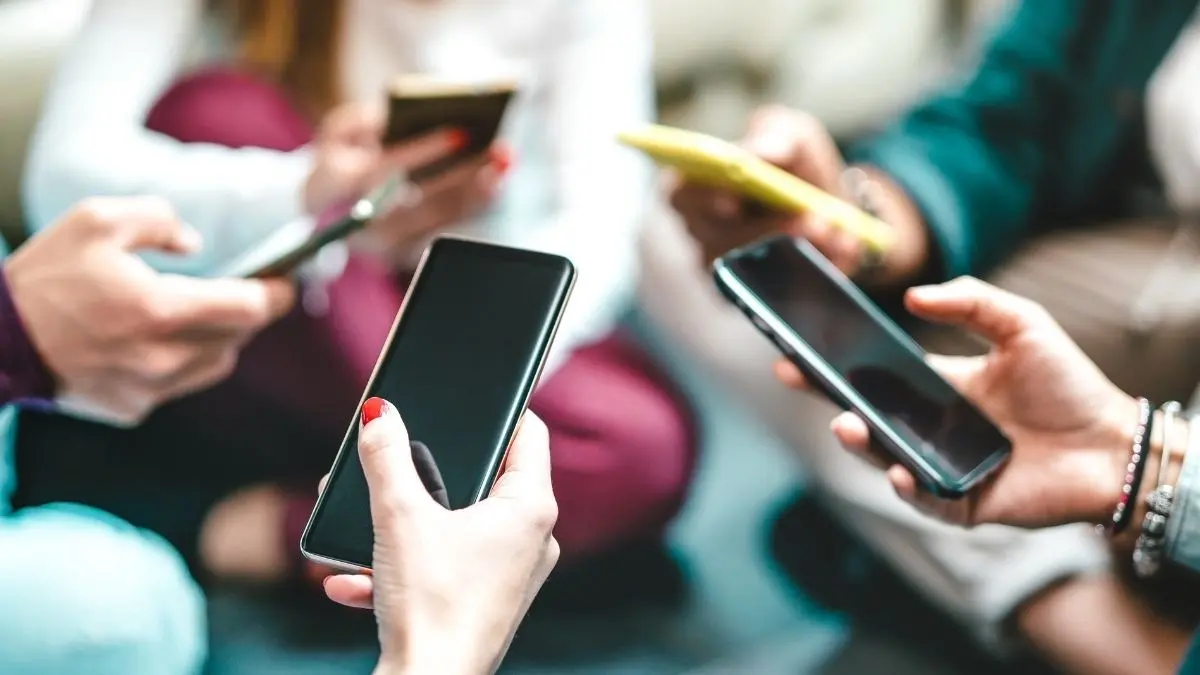
Dhaka: Bangladesh’s National Equipment Identity Register (NEIR) is a new nationwide phone registration system being rolled out to verify and regulate all mobile handsets connected to the country’s telecom networks. The initiative, introduced by the Bangladesh Telecommunication Regulatory Commission (BTRC), marks a significant shift in how mobile devices are tracked, authenticated and used in the country.
What Is NEIR?
NEIR is a government-mandated database that checks every mobile handset’s unique identifier - the International Mobile Equipment Identity (IMEI) against a national registry before allowing it to operate on Bangladesh’s mobile networks. The aim is to detect whether a device has been legally imported, locally manufactured, or brought in through unofficial channels.
Under the system:
- Any phone already registered and active with a SIM before implementation will be automatically added to the NEIR system.
- Unregistered devices, including second-hand or overseas-bought phones, must be registered separately after entering the country.
- Once live, the system compares a phone’s IMEI against the database; legal devices retain service, while unverified ones may be blocked from network connectivity.
How the System Works
NEIR links each handset’s IMEI to the SIM and the user’s National Identity (NID), forming a unique record in the national register. If a phone changes SIM cards, it will not function until the new SIM is registered with the same device. The system also caps the number of SIMs that can be linked to one NID, reducing it from 15 to 10 to tighten security and reduce SIM-related fraud.
Foreign-purchased or gifted phones will not be automatically registered, users must complete a special registration process via SMS or the BTRC’s NEIR portal within a prescribed timeframe after arrival in Bangladesh.
Advertisement
Goals of NEIR
According to officials, NEIR will help the government combat illegal mobile phone imports and ensure proper customs duty collection. Strengthen security and prevent telecom fraud, including mobile financial service (MFS) scams and SIM misuse by linking devices to verified identities.
Identify and block cloned or counterfeit handsets, making it easier for law enforcement to trace devices used in criminal activities. Telecom companies are upgrading their internal equipment registers to integrate with the national system ahead of full implementation.
Advertisement
Challenges and Concerns
Despite its objectives, NEIR’s rollout has faced delays and pushback. The launch was initially scheduled for 16 December 2025, but was postponed to 1 January 2026 to give mobile phone traders extra time to submit lists of unsold or stockpiled devices.
Traders, especially those in the grey market have expressed concerns that NEIR could disrupt sales, shrink informal business activity, and increase costs for consumers. However, the transition remains complex: many traders struggled to submit required IMEI data before deadlines, and millions of phones in use may fall into regulatory grey areas as the system fully activates.
NEIR and the Political Context
NEIR’s implementation has unfolded amid heightened public scrutiny and economic debate just months before Bangladesh’s upcoming national elections. Critics argue that the timing adds to the political pressure on the interim government, given the system’s potential impact on traders, consumers and digital governance narratives.
With the vote approaching, NEIR has become not just a tech policy but also a symbolic issue in debates about governance, economic reform and public trust ahead of the polls.