
Zara, H&M Shift $254 Million Worth Of Orders From Bangladesh To India Amid Unrest; Here's What Happened
According to reports, global fashion brands diverted approximately $254 million worth of orders from Bangladesh between November 1 and November 18, with the bulk of the business moving to neighbouring India.
- World News
- 3 min read


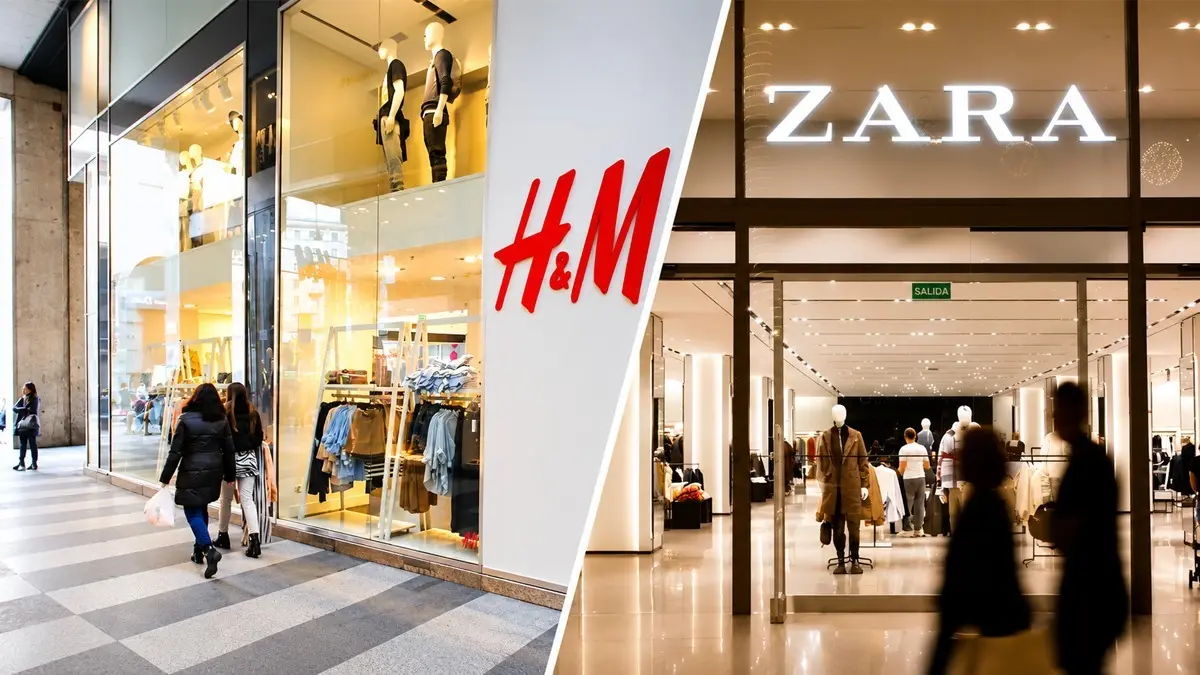
India is emerging as a major beneficiary of a significant shift in the global fashion supply chain, with international retailers including Zara, H&M, Marks & Spencer (M&S) and Celio reportedly moving a portion of their garment orders away from Bangladesh amid growing labour unrest, rising production costs and factory disruptions.
According to reports, global fashion brands diverted $254 million worth of orders from Bangladesh between November 1 and November 18, with the bulk of the business moving to neighbouring India. The diverted orders accounted for nearly a tenth of the country's monthly apparel orders, according to three factory owners cited in the report.
Why Are Global Fashion Brands Moving Orders From Bangladesh?
Bangladesh, one of the world's largest garment manufacturing hubs, has been facing significant challenges due to protests by garment workers demanding higher wages, factory shutdowns, energy shortages and political uncertainty.
The disruptions have affected production schedules and raised concerns among international retailers over timely deliveries.
Advertisement
According to the Bangladesh Garment Manufacturers and Exporters Association (BGMEA), the recent unrest has resulted in production losses exceeding $400 million.
Bangladesh's garment industry is particularly important to its economy, accounting for more than 80% of the country's export earnings and nearly 40% of its manufacturing jobs.
Advertisement
Rising wages and operational expenses have further weakened the country's traditional cost advantage, prompting international brands to explore alternative manufacturing destinations.
India Emerges As The Biggest Beneficiary
India has reportedly received the largest share of the orders diverted from Bangladesh. Other countries attracting international buyers include Vietnam, Cambodia and Indonesia.
Industry representatives believe India offers advantages in terms of production flexibility and delivery timelines.
According to industry estimates, India can provide buyers with a delivery advantage of approximately one week compared with Bangladesh.
While production and delivery can take around 120 days in Bangladesh, competing manufacturing destinations can reportedly complete the process within 60 to 90 days.
The development has also brought Indian textile companies into the spotlight.
Shares of Gokaldas Exports and Sportking India gained significantly following reports of the order diversion, reflecting investor optimism about potential business opportunities.
Could Bangladesh Lose Its Global Fashion Business Permanently?
Industry experts have warned that the current disruption could have longer-term consequences for Bangladesh's garment sector.
Factory owners fear that international retailers may continue sourcing from alternative countries even after conditions improve, particularly if production delays and operational uncertainty persist.
For India, the development could create fresh opportunities to strengthen its position in the global apparel manufacturing market and attract more international fashion brands.
However, the long-term impact will depend on India's ability to maintain competitive pricing, manufacturing capacity and reliable delivery schedules.