
Dibakar Banerjee says he can no longer 'relate' to his film Khosla Ka Ghosla, finds it 'patriarchal'
Khosla Ka Ghosla, which went onto win a National Film Award for Best Feature Film, Director Dibakar Banerjee however, does not agree with his film anymore.
- Entertainment News
- 2 min read

Khosla Ka Ghosla, directed by Dibakar Banerjee, had released back in 2006. This came three years after the film had been shot. Being a small budget production, getting the film out to the audience had been quite a task. The ensemble comedy however, starring Anupam Kher, Boman Irani, Ranvir Shorey, Vinay Pathak, Parvin Dabas and Tara Sharma among others, has achieved a cult status over the years. The film also went on to win the National Film Award for Best Feature Film in Hindi at the 54th National Film Awards. However, director Dibakar Banerjee says he simply does not agree with the film's narrative anymore.
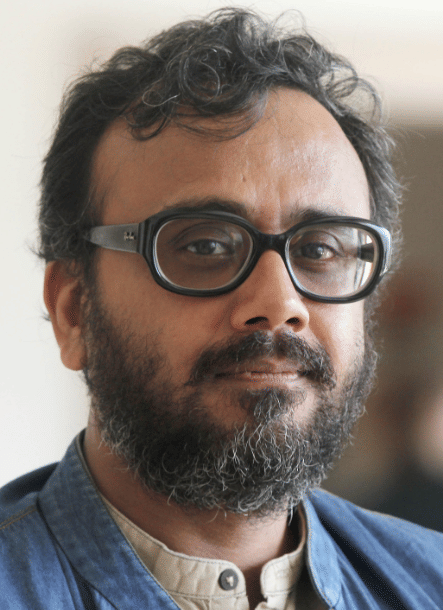
Dibakar Banerjee is no longer in agreement with the narrative of his own film Khosla Ka Ghosla
Khosla Ka Ghosla may have raised a strong fanbase for itself over the years. However, director Dibakar Banerjee is not among them. In the latest episode of Unfiltered by Samdish, the director shared how he simply cannot relate to the film's narrative as the women are mere placeholders in the events of the story - a perspective that does not sit right with him.
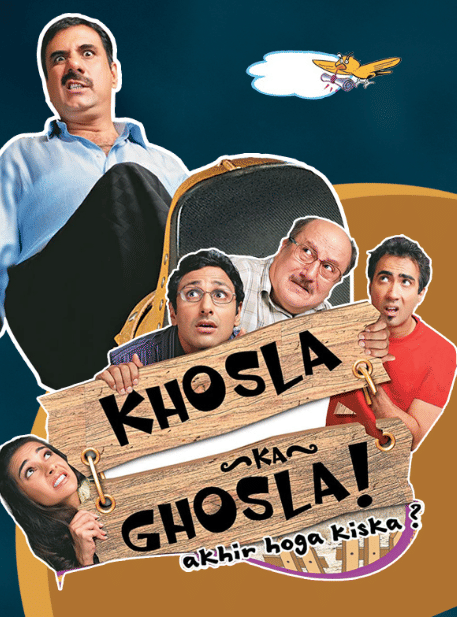
He said, "Khosla Ka Ghosla is a very patriarchal film. I can’t make a film as patriarchal as that anymore. It will feel like a lie...At the age of 35-36, you are in guilt, you don’t even know what you are saying, you are just making a patriarchal film.”
Dibakar Banerjee elaborates why he feels Khosla Ka Ghosla is a patriarchal film
Banerjee explained how the female characters in Khosla Ka Ghosla simply exist as pacifiers and "helpers", serving as crutches for the men in the film - a deeply problematic reflection.
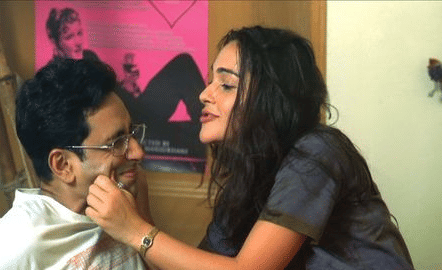
He said, "It’s about the father and the sons. All the female characters are helpers, they are all enablers. The character of Tara Sharma in Cherry’s life is also an enabler...The characters are patriarchal, the film is patriarchal. At the end of the film, all of them live together in that ‘train-coach’ type house. I don’t agree with it anymore. This is not how it should be. But that’s the ideology, that’s a different story."
Published By : Jyothi Jha
Published On: 23 December 2023 at 21:15 IST