
How Gratitude Is Redefining Healing: Dr. Disha Bhanushali Speak
In this conversation with Republic World, she shares insights on the science, philosophy, and real-life impact of gratitude.
- Initiatives News
- 5 min read

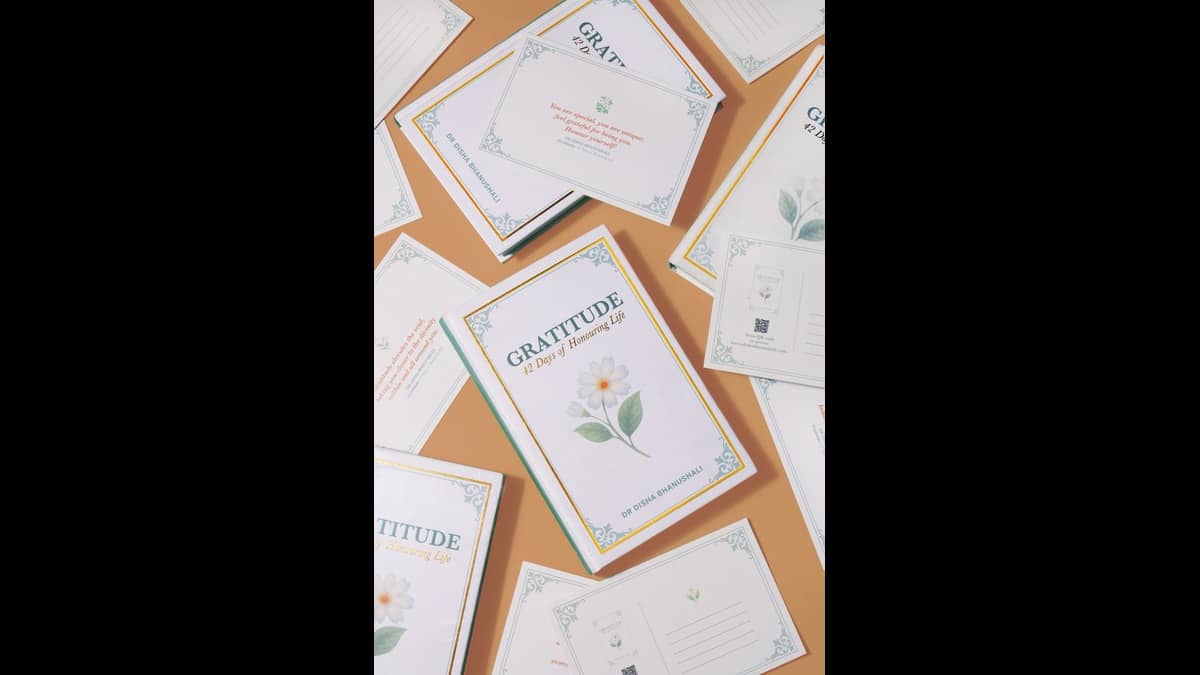
As conversations around mental health and holistic wellness gain momentum globally, gratitude is emerging as more than just an emotion — it is being recognised as a powerful tool that supports emotional and physical healing. In her newly released book, Dr. Disha Bhanushali, medical professional and holistic healer, explores how understanding the real meaning of gratitude and practicing it daily with an objective to honour our life can help regulate the nervous system, build emotional resilience, and redefine how we understand healing in modern life. In this conversation with Republic World, she shares insights on the science, philosophy, and real-life impact of gratitude.
Q1. Your book centres on gratitude as a healing practice. What led you to explore this subject now?
Dr. Disha Bhanushali:
Over the years, I noticed that many people continue to struggle despite doing “everything right” medically. That made me look deeper. Healing is not only about treatment; it is about the internal state in which the mind- body complex exists. Gratitude emerged as a powerful, science-backed way to shift the nervous system from stress into safety. This book is a result of that understanding and lived experience.
Q2. Gratitude is often seen as a positive emotion. How do you position it as a tool for healing?
Dr. Disha Bhanushali:
Gratitude is not positive thinking. It is an inherent inner state of the consciousness where healing happens. Regular practice with awareness is required to rekindle it and bring it into experience. When gratitude is felt genuinely, it regulates the nervous system, reduces chronic stress responses, and creates bodily conditions where healing becomes possible. The body heals best when it feels safe — gratitude helps create that safety.
Q3. From a medical standpoint, how does gratitude influence the mind–body connection?
Dr. Disha Bhanushali:
Chronic stress keeps the body in survival mode, which impacts immunity, digestion, sleep, and emotional balance. Gratitude activates the parasympathetic nervous system, responsible for rest and repair. Over time, this shift supports emotional regulation and physical recovery.
Q4. Why do you emphasise a daily gratitude practice rather than occasional reflection?
Dr. Disha Bhanushali:
Consistency is what rewires the brain. Occasional gratitude feels good momentarily, but making gratitude a way of life changes the perception. The mind slowly shifts from focusing on lack and fear to stability and support. Healing is not about quick relief; it is about sustained inner balance.
Q5. How is your approach different from traditional gratitude journaling?
Dr. Disha Bhanushali:
Most gratitude journaling is surface-level — listing things without emotional engagement. My approach integrates awareness, nervous system regulation, and reflection. Gratitude has to be felt in the heart, not just written on paper, to create real change.
Q6. In today’s fast-paced and high-stress world, why is gratitude becoming increasingly relevant?
Dr. Disha Bhanushali:
We live in a constant state of urgency and overstimulation. Gratitude slows the system down. It anchors people back into the present moment, which is essential for emotional stability and long-term health. It is a simple yet powerful counterbalance to modern stress.
Q7. Does gratitude replace medical treatment or therapy?
Dr. Disha Bhanushali:
Not at all. Gratitude complements medical care. Healing is multi-dimensional — medical treatment addresses the physical, while gratitude works at the emotional and nervous system level, which is often overlooked but deeply influential.
Q8. What kind of transformation can readers expect from your book?
Dr. Disha Bhanushali:
Readers often report a shift in how they perceive their life. When the awareness shifts from feeling of inadequacy to recognising the blessings in life; the mind gets empowered to explore the inner potentials to help manifestations happen effortlessly. When life is welcomed with honour and grace, the mind opens up to handle stress, uncertainty, and emotional triggers constructively. The goal is not to eliminate challenges, but to meet them with steadiness and clarity instead of fear and resistance.
Q9. What is the core message you want readers to take away from the book?
Dr. Disha Bhanushali:
Healing is not about fixing yourself. It is about understanding, supporting, and honouring yourself. Gratitude is a way of meeting life with compassion rather than control.
Q10. How do you personally define healing today?
Dr. Disha Bhanushali:
Healing is the ability to live in alignment with yourself — emotionally, mentally, and physically. When that alignment is present, the body naturally moves toward balance.
Q: Your book Gratitude is designed as a 42-day guided journey. Why did you choose 42 days, and how can following this practice help individuals experience a real shift in their emotional and mental well-being?
I chose 42 days because consistent practice over this period helps shift awareness and emotional patterns. Through daily gratitude reflections and rituals, the nervous system calms, resilience builds, and self-honour replaces self-judgment—leading to a more balanced, grounded experience of life.
About Dr. Disha Bhanushali
Dr. Disha Bhanushali is a medical professional and holistic healer whose work integrates science, nervous system awareness, and conscious living. Her recently released book explores gratitude as a transformative practice for emotional and physical well-being.
Published By : Namya Kapur
Published On: 31 January 2026 at 15:52 IST