
Fed Chair Kevin Warsh’s Congress Testimony Tonight: Why Indian Stocks, Rupee and Gold Investors Should Watch
Federal Reserve Chair Kevin Warsh is set to deliver his first semiannual monetary policy testimony before the U.S. Congress on Tuesday, an event closely watched by investors across global markets. While the hearing takes place thousands of miles away in Washington, the Fed chief’s comments on inflation, interest rates and the U.S. economy could influence foreign investment flows, the rupee, bond yields, gold prices and Indian equity markets.
- Republic Business
- 2 min read

;'%3e%3cpath%20d='m8,15.99c4.41,0,7.99-3.58,7.99-7.99S12.41,0,8,0,0,3.59,0,8s3.58,7.99,7.99,7.99Z'%20style='stroke:%23fff;%20stroke-miterlimit:10;%20stroke-width:.02px;'/%3e%3cpath%20d='m3.08,3.37l3.82,5.11-3.84,4.15h.87l3.37-3.64,2.72,3.64h2.94l-4.04-5.39,3.58-3.87h-.86l-3.1,3.35-2.5-3.35h-2.94Zm1.27.64h1.35l5.97,7.99h-1.35l-5.97-7.99Z'%20style='fill:%23fff;'/%3e%3c/g%3e%3c/svg%3e)


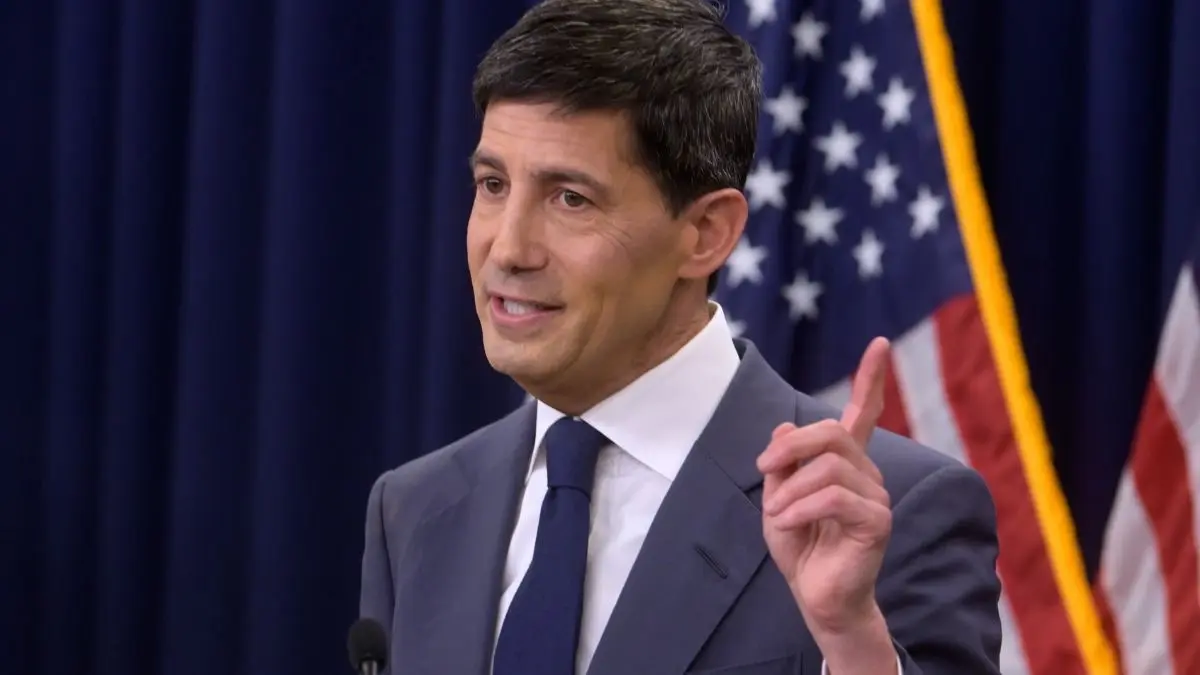
When the chair of the U.S. Federal Reserve speaks before Congress, investors around the world pay attention.
Federal Reserve Chair Kevin Warsh will appear before U.S. lawmakers on Tuesday for his first semiannual monetary policy testimony, where markets will closely watch for clues on inflation, interest rates and the central bank’s outlook for the world’s largest economy.
For Indian investors, the testimony could influence everything from foreign institutional investment (FII) flows and the rupee to bond yields, gold prices and sector-specific stock performance.
Why does the Fed matter to India?
The Federal Reserve sets benchmark interest rates in the United States. Those decisions affect global borrowing costs and influence where international investors allocate capital.
Advertisement
Higher U.S. interest rates generally make American assets more attractive, encouraging foreign investors to shift money out of emerging markets such as India. Lower rates often have the opposite effect by supporting riskier assets and boosting capital flows into emerging economies.
Investors will be looking for any indication on:
Advertisement
- Whether inflation remains the Fed’s biggest concern
- The likely direction of future interest rates
- Risks from rising oil prices and geopolitical tensions
- The outlook for U.S. economic growth and employment
Any change in tone could quickly move global equities, Treasury yields and the U.S. dollar.
Impact on Indian equities
Sectors that rely heavily on foreign investment, including information technology, banking and financial services, are likely to remain sensitive to signals from the Fed. A stronger U.S. dollar following hawkish remarks could pressure the rupee, while also affecting companies with significant import costs.
Technology exporters may also react to expectations about U.S. economic growth, given their dependence on overseas demand.
Gold and rupee
Gold prices often react sharply to changes in expectations around U.S. interest rates. If investors expect rates to remain elevated for longer, bond yields and the dollar may strengthen, reducing the appeal of non-yielding assets such as gold.
Currency markets could also remain volatile, with the rupee responding to any shift in global capital flows.
Warsh’s appearance marks his first major congressional testimony as Federal Reserve chair and comes at a time when investors are balancing persistent inflation concerns, elevated oil prices and geopolitical uncertainty. Markets will also monitor upcoming U.S. inflation data and earnings from major American banks for additional clues on the health of the world’s largest economy.