
Oil Prices Rise As US-Israeli War With Iran Continues To Disrupt Supply
Oil prices increased on Monday due to ongoing supply concerns from shipping disruptions in the Middle East amid the U.S.-Israeli war with Iran. Brent crude rose to $110.74 per barrel, and U.S. West Texas Intermediate reached $112.25.
- Republic Business
- 2 min read

;'%3e%3cpath%20d='m8,15.99c4.41,0,7.99-3.58,7.99-7.99S12.41,0,8,0,0,3.59,0,8s3.58,7.99,7.99,7.99Z'%20style='stroke:%23fff;%20stroke-miterlimit:10;%20stroke-width:.02px;'/%3e%3cpath%20d='m3.08,3.37l3.82,5.11-3.84,4.15h.87l3.37-3.64,2.72,3.64h2.94l-4.04-5.39,3.58-3.87h-.86l-3.1,3.35-2.5-3.35h-2.94Zm1.27.64h1.35l5.97,7.99h-1.35l-5.97-7.99Z'%20style='fill:%23fff;'/%3e%3c/g%3e%3c/svg%3e)


Tokyo: Oil prices climbed on Monday on continuing fears of supply losses because of shipping disruptions in the key Middle East producing region from the U.S.-Israeli war with Iran.
Brent crude futures rose $1.71, or 1.6%, to $110.74 a barrel by 0057 GMT. U.S. West Texas Intermediate crude futures gained $0.71, or 0.6%, to trade at $112.25 per barrel.
On Thursday, the last trading day before the Good Friday holiday break, WTI settled up more than 11% and Brent soared nearly 8% in volatile trading, recording their biggest absolute price increase since 2020, as U.S. President Donald Trump promised to continue attacks on Iran.
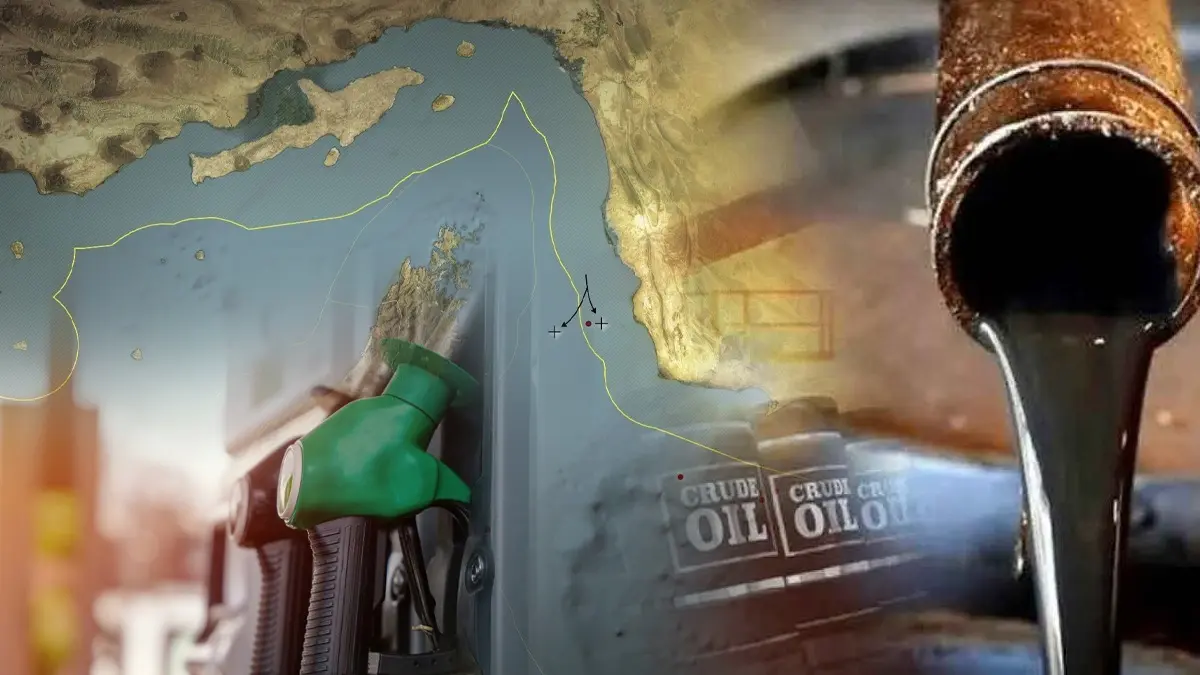
The Strait of Hormuz, which carries oil and petroleum products from Iraq, Saudi Arabia, Qatar, Kuwait and the United Arab Emirates, remains largely closed by Iranian attacks on shipping after the war began on February 28.
Advertisement
Because of the Middle East supply disruptions, refiners are seeking alternative sources for crude, particularly for physical cargoes in the U.S. and the UK North Sea.
"Global buyers are bidding aggressively for (U.S.) Gulf Coast barrels and Brent is rallying even faster," the Schork Group said in a client note on Monday.
On Sunday, Trump ratcheted up pressure on Tehran, threatening in an expletive-laden Easter Sunday social media post to target Iran's power plants and bridges on Tuesday if the strategic Strait of Hormuz is not reopened.
Advertisement
Still, some vessels, including an Omani-operated tanker, a French-owned container ship and a Japanese-owned gas carrier, crossed the Strait of Hormuz since Thursday, shipping data showed, reflecting Iran's policy to allow passage for vessels from countries it deems friendly.
The war threatens to linger on as Iran has officially told mediators it is not prepared to meet with U.S. officials in the Pakistani capital Islamabad in coming days and efforts to produce a ceasefire have reached a dead end, the Wall Street Journal reported on Friday.
On Sunday, OPEC+, consisting of some members of the Organization of the Petroleum Exporting Countries and allies such as Russia, agreed to a modest rise of 206,000 barrels per day for May.
However, that decision will largely exist on paper as several of the group's key producers are unable to raise output due to the war.
Russian supply has been disrupted recently by Ukrainian drone attacks on its Baltic Sea export terminal. Media reports on Sunday said its Ust-Luga terminal resumed loadings on Saturday after days of disruptions.